PAN-AFRICAN LEADERSHIP
THE FRAMEWORK
Launched in 2017, the MINDS Scholarship Program develops young African leaders with a pan-African perspective. By supporting postgraduate study outside their home country, the program builds a network of leaders equipped to drive integration, and lasting social progress across Africa.
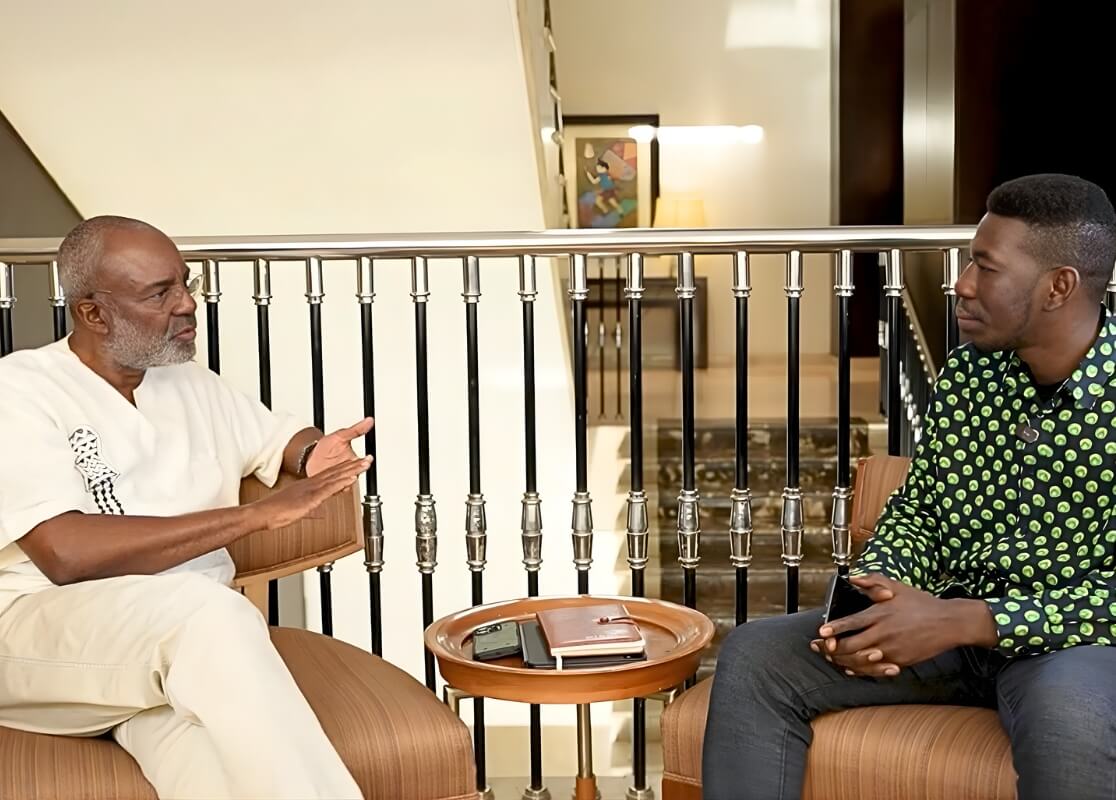
MINDS Africa Leadership Development Program 2025 | Cairo, Egypt
THE OPPORTUNITY
The MINDS Scholarship for Leadership Development in Africa supports postgraduate study across the continent, cultivating leaders with a pan-African perspective.
This scholarship promotes:
WHO SHOULD APPLY
The program supports high-potential African students who demonstrate academic excellence, leadership ability, and a commitment to Africa’s development.
MINDS scholars share three core qualities:
Demonstrated or emerging leadership potential.
Commitment to African unity, and development
Strong academic performance.
The MINDS Scholarship for Leadership Development in Africa supports postgraduate study across the continent, cultivating leaders with a pan-African perspective while offering scholars the unique opportunity to study any field of interest.
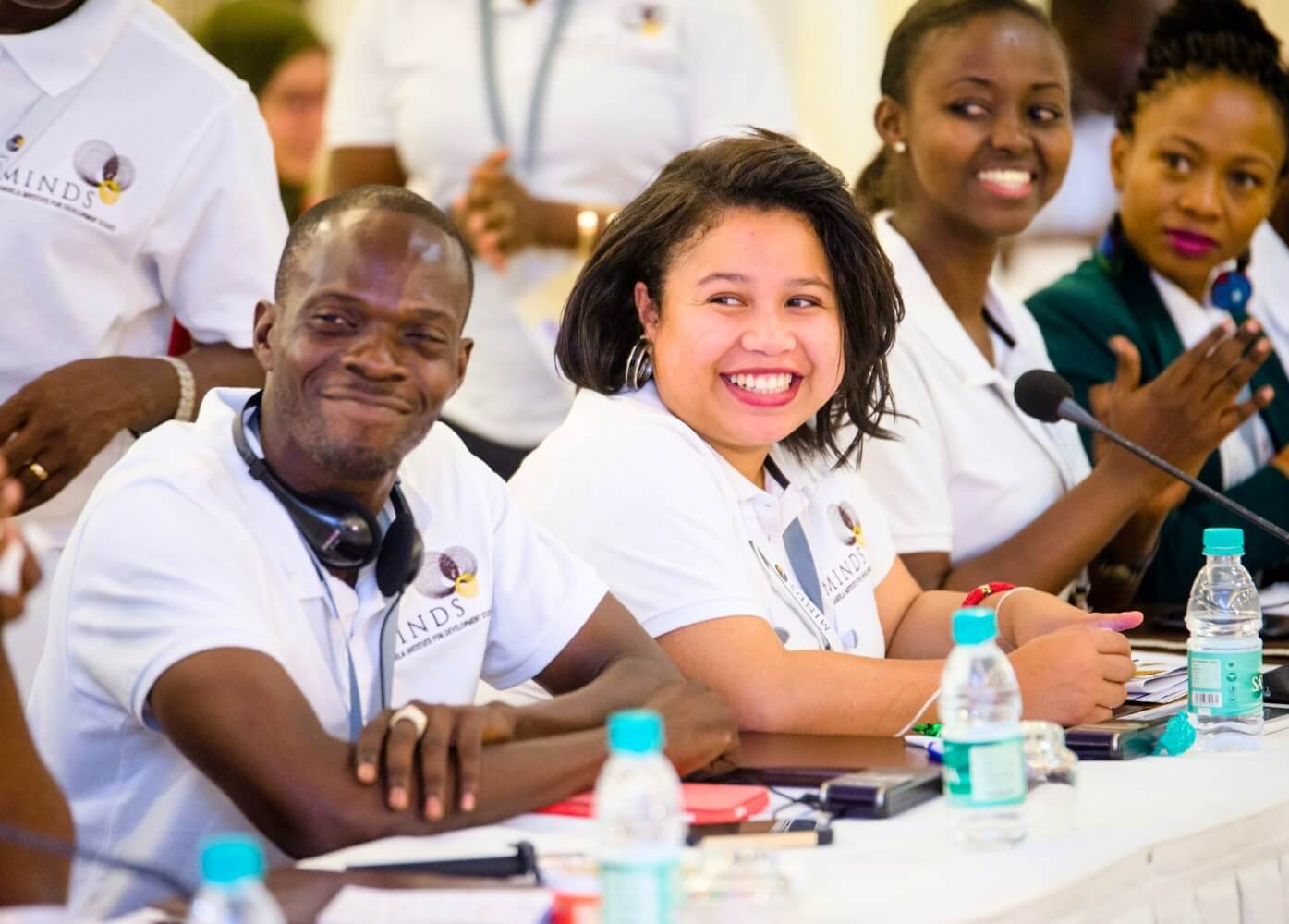
BEFORE YOU APPLY
To be considered for the MINDS Scholarship, applicants must meet all of the following criteria.
All disciplines are welcome
How it works
The MINDS Scholarship provides comprehensive support, including:
OUR ALUMNI NETWORK
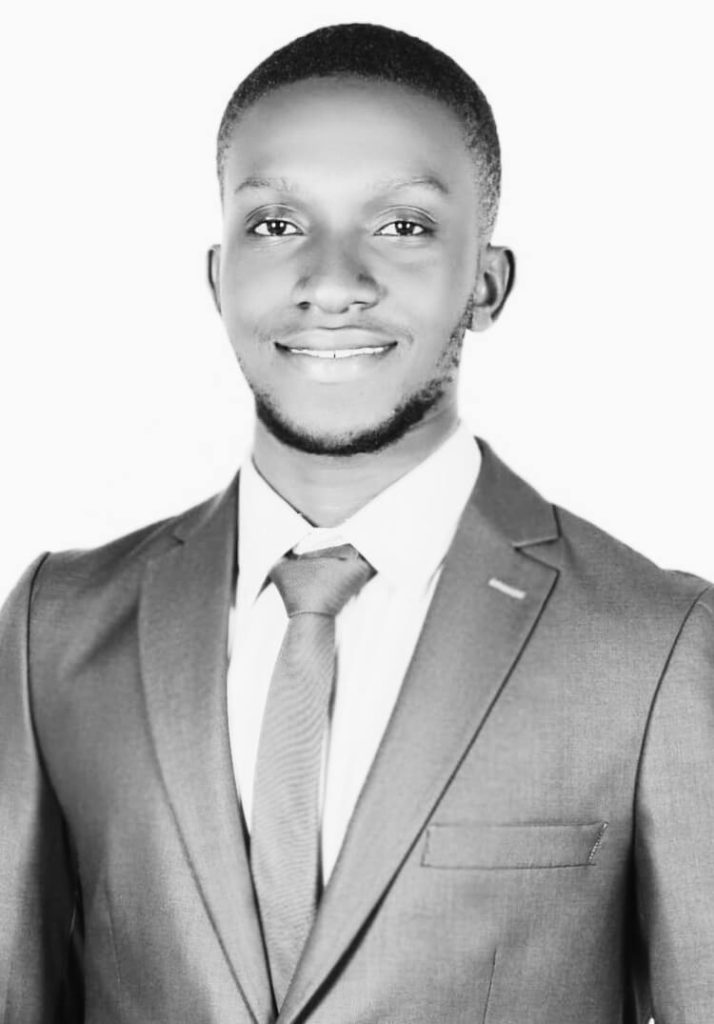
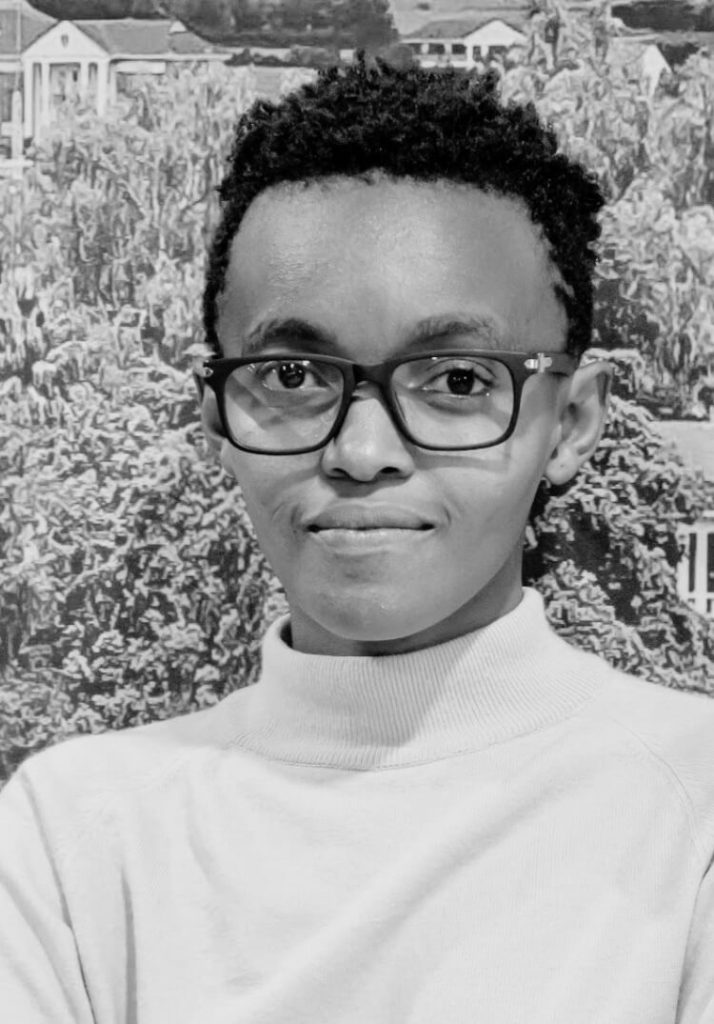
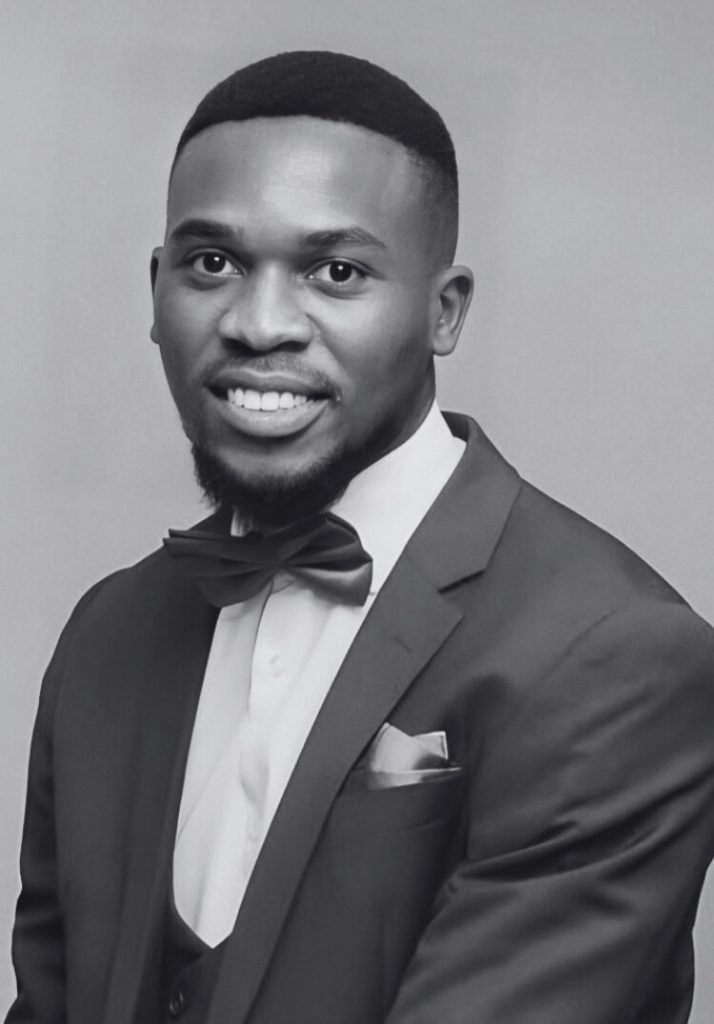
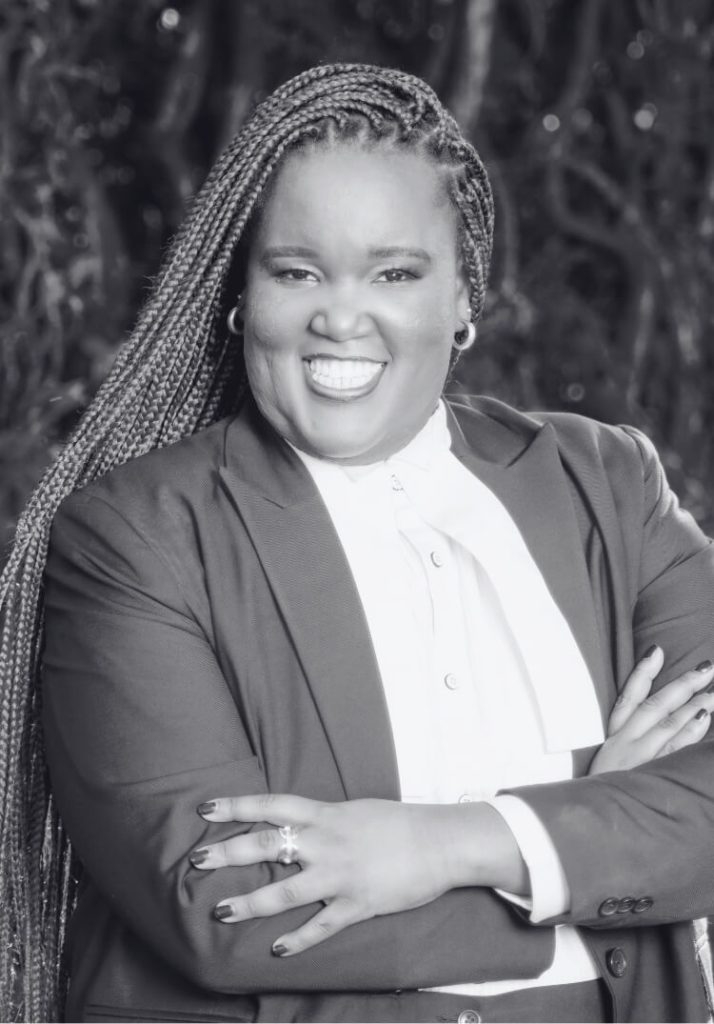
Discover the diverse community of MINDS scholars driving change across Africa.

Tanzania
Africa's most urgent challenges rarely suffer from a lack of solutions. What they suffer from is a lack of voices powerful enough to make those solutions impossible to ignore. Growing up in Tanzania, I became convinced that social justice is not only fought in courtrooms and parliaments, but in the stories we tell, the platforms we use, and the awareness we are able to build among ordinary people. Digital advocacy, for me, is not a tool of last resort; it is where change begins. Pursuing my Honours at UCT, supported by the MINDS Scholarship, I am developing the research foundation to understand and address the structural barriers that stand between African communities and the futures they deserve. My vision is a sustainable Africa, one where justice is not a privilege of the well-connected, and where young people across the continent have both the platforms and the power to shape the decisions that affect their lives.

Cameroon
Why is it easier for someone from another continent to travel across Africa than it is for an African to do the same? That question has stayed with me because the answer reveals something important about how our continent has been structured and who that structure was built to serve. Growing up in Cameroon, I became convinced that the barriers preventing free movement and the absence of quality education that does not require leaving the continent are ultimately problems of design, and therefore problems that technology built by Africans for African realities can solve. Pursuing my Master's in Information Technology at KNUST, supported by the MINDS Scholarship, I am working at the intersection of user experience design and educational technology to build platforms that bring quality learning to people where they are. My vision is an Afrika united as one family, where technology flows freely across borders, where the mobility of people and ideas is a right rather than a bureaucratic obstacle, and where the youth are placed at the heart of the development that will determine our collective future.
Mental health in Africa is not merely under-resourced; it is under-acknowledged. Across the continent, young people are navigating depression, substance use, and psychological crisis in environments where stigma silences them and services rarely reach them. For me, this is not an abstract policy gap. I lost a friend to mental health challenges, and that loss made visible what the data already shows: that young Africans are falling through the cracks of systems that were never designed to catch them. That grief became a direction. Pursuing my Masters at UCT, supported by the MINDS Scholarship, I am building expertise in epidemiology and biostatistics with a focus on youth mental health and substance use in low-resource settings. My aim is to use available data to understand these gaps more precisely and contribute to public health strategies that make mental health services more accessible and effective across Kenya and the continent. My vision is an Africa where development is genuinely inclusive — where mental health carries the same urgency as physical health, and where every young person has a real chance to live a healthy, productive life.
Migration is one of the most misunderstood forces shaping Africa's present. Across the continent, millions of people are moving in search of safety, opportunity, and dignity, yet the systems meant to protect them consistently fail to keep pace, and the narratives that surround them too often strip them of their humanity. Growing up in Zimbabwe, I became acutely aware of how migration intersects with inequality, with the absence of justice, and with the silencing of voices that most need to be heard. That awareness sits at the core of everything I do. Pursuing my Masters in Development, Policy, and Practice at UCT, supported by the MINDS Scholarship, I am building the analytical and advocacy tools to influence policies that protect migrants' rights, promote safe and sustainable movement, and recognise the real contributions migrants make to the societies they join. My vision is an Africa where sustainable development is rooted in justice and community empowerment, where governments, civil society, and young people shape policy together, where climate justice and media freedom are treated as development imperatives, and where every person, regardless of where they were born or where they have travelled, can live with dignity and contribute meaningfully to our shared future.

Kenya
I know what it feels like to do everything right and still find the door closed. Despite holding a Master's degree in Computer Science, my own job search was an exhausting and humbling experience. That contradiction refused to leave me alone. It forced me to look beyond individual effort and examine the structural disconnect between Africa's education systems and the actual demands of its economies. Kenya has one of the youngest and most educated populations on the continent, yet too many graduates find themselves unemployed or working jobs entirely unrelated to what they studied. The problem is not talent. It is the gap between what is taught and what is needed, compounded by limited access to networks, mentorship, and opportunity. My MBA at ALU is where I am building the foundation to become a founder — one equipped to create real value by connecting young African talent to real opportunity. The MINDS Scholarship is sharpening that resolve. My vision is a continent defined by what it builds rather than what it receives, where the next generation does not have to leave home to find a future, and where entrepreneurship is a supported path rather than a last resort.
Nigeria
A preventable death is not a statistic. It is the consequence of a system that did not reach far enough. Across Africa, communities face critical shortages of medical professionals, and a doctor-to-patient ratio so low that even well-trained clinicians cannot cover the ground that needs covering. I originally wanted to enter the medical field, but chose engineering instead, only to discover, through AI, that the two paths could converge into something more powerful than either alone. That realisation was not a detour; it was the destination. At Carnegie Mellon University Africa, where I am pursuing my Masters in Engineering and Artificial Intelligence, I am building diagnostic tools and assistive devices designed specifically for African conditions. Systems that extend the competency of the doctors we have, rather than waiting for the doctors we don't. The MINDS Scholarship is making that pursuit possible. My vision is an Africa where intelligent systems close the gap between need and care, and where every person, regardless of where they live or what they earn, has access to the quality healthcare they deserve.

Malawi
Development does not happen in a vacuum. Coming from Malawi, I have seen how directly the state of a country's financial systems shapes the opportunities available to its people. Where finance is underdeveloped, so too is access to capital, investment, and the basic infrastructure of economic participation. Stock markets remain inaccessible to most Africans, and the systems that could connect people to wealth-building remain fragmented and exclusionary. That observation turned into a conviction: that building Africa's future requires building its financial architecture first. My Honours at UCT is where I am developing the analytical foundation to contribute to financial systems that are integrated, accessible, and designed to serve all Africans. The MINDS Scholarship has grounded that conviction in rigorous academic training. My vision is a continent where stock markets are open to ordinary citizens, where financial institutions speak to one another across borders, and where the finance sector functions as a genuine engine of shared development rather than a privilege of the few.
Nigeria
I have always wanted to be the kind of person who finds out new things. As a child in Nigeria, when asked what I wanted to be, I would say a researcher — not knowing exactly what that meant, only knowing that it described someone who asked questions and pursued answers. That curiosity led me to electrical engineering, then to programming, and eventually to artificial intelligence, each step feeling less like a choice and more like a natural narrowing toward something I had always been moving towards. Studying Engineering and Artificial Intelligence at Carnegie Mellon University Africa, I am building expertise in medical imaging, computer vision, and deep learning, with most of my projects focused on diabetes detection and cardiovascular disease. The MINDS Scholarship is the platform making this work possible. My vision is an Africa where intelligent systems extend the reach of health workers, and where the questions I have been asking since childhood produce answers that actually save lives.

DRC
There is no shortage of ideas among African youth. What is in short supply are the platforms to express them. Growing up in the Democratic Republic of Congo, I experienced this directly — a young person with skills, ambition, and innovative thinking, but surrounded by systems that reserved space and opportunity for those who already had access. Whether in government, in institutions, or in business, the doors that mattered were rarely open to someone in my circumstances. That experience did not diminish my drive; it clarified what I wanted to build. My Honours at UCT is where I am developing a social enterprise that does not ask youth to choose between impact and sustainability — one that changes lives, creates employment, and generates the revenue needed to keep doing both. The MINDS Scholarship is giving me the tools to build it. My vision is an Africa that rises above its odds, led by people who are actively working to better their communities rather than waiting for permission to do so.
Lesotho
There is a pattern hiding in plain sight across Africa's resource-dependent economies: the data already exists, the warnings are already there, and yet the decisions remain the same. Growing up in Lesotho and building a career as a metallurgist in the mining sector, I watched this play out in real time. When lab-grown diamonds began flooding global markets at a fraction of the extraction cost, the communities that had built their livelihoods around mining were the last to be protected and the first to bear the consequences. I was among those retrenched. That experience did not just disrupt my career; it clarified my purpose. Through my Honours in Data Science at the University of the Witwatersrand, supported by the MINDS Scholarship, I am building the technical skills to do what African governments and industries have consistently failed to do: use the data we already have to make better decisions before crises arrive rather than after. My vision is an Africa where decision-making is no longer hostage to convention, where a young person from a remote village has access to the same tools and opportunities that I was fortunate enough to discover later in life, and where governance is driven by evidence rather than inertia. Data science, for me, is not a technical exercise; it is a means of building the resilient, self-determining economies that Africa's people have long deserved.
Africa is the youngest continent on earth, yet it carries one of the heaviest burdens of brain health disease. That contradiction sits at the centre of my work. Growing up in Kenya, I became acutely aware of how little the systems around us were designed to detect, predict, or respond to neurological conditions affecting ordinary people and how much of the data needed to build those systems simply did not exist in an African context. The models we rely on are largely built elsewhere, on populations that do not reflect us, and applied to communities whose realities they were never designed to capture. Closing that gap is the work I am doing through my Masters at UCT, where the MINDS Scholarship has given me the platform to pursue it seriously. I am examining predictive models that better contextualise brain health in Africa; research that requires building data infrastructure from the ground up, from diagnostic tools capable of gathering meaningful data, to the policy frameworks needed to translate findings into real improvements in care. My vision is a continent capable of addressing the brain health needs of its growing population on its own terms, through solutions that are conceived, built, and sustained in Africa.
Recognition is a radical act. For too long, Africans have been conditioned to seek validation from an external gaze, to measure worth against standards designed elsewhere, and to see their own cultures as something to overcome rather than build upon. That quiet violence has shaped everything from our education systems to our sense of self. It is the problem I have returned to again and again, and it is what brought me to the intersection of education and cultural production as the two most powerful tools we have for changing it. Through my Masters at UCT, with the support of the MINDS Scholarship, I am exploring how education can cultivate consciousness and how cultural production — music, film, clothing, food, story — can carry it further, building a sense of African identity that is not a nostalgic dream of the past but a dynamic, living possibility. My vision is a continent where we turn our gaze towards one another, recognise our inherent value and capacity, and build a shared future from that foundation outward.
Scarcity is not the whole story. Across Africa, the challenge in healthcare is rarely the complete absence of resources; it is the gap between what exists and where it goes. Growing up in Malawi, I watched health systems strain under the weight of high disease burden while limited funding was allocated in ways that could not be justified by outcomes. The inefficiency was not incidental. It was structural, and it cost lives. That realisation set me on the path to health economics, where the central question is not only what we have, but how we use it. My Masters in Public Health at UCT is where I am building the analytical tools to design cost-effective interventions, strengthen health financing systems, and support the move towards universal health coverage in contexts where every resource decision carries real human consequences. The MINDS Scholarship has anchored that focus within a broader continental vision. I intend to work directly with Malawi's Ministry of Health, piloting economic models suited to our environment, before taking those frameworks into regional partnerships across the continent.
Malawi
Taxation is rarely the first place people look when thinking about inequality, but it is one of the most revealing. How a society structures its taxes reflects its priorities, its power dynamics, and the communities it is willing to leave behind. Growing up in Malawi, I became acutely aware of how fiscal systems, trade regimes, and regulatory frameworks could quietly entrench the very inequalities they claimed to address, and how little recourse ordinary citizens and small businesses had when those systems failed them. Building expertise in tax research and advocacy through my Masters at UCT, I am focused on how harmonised fiscal frameworks can support African SMEs and advance regional integration. The MINDS Scholarship has anchored that work within a broader continental vision. I believe the AfCFTA and existing regional economic communities offer genuine opportunities to redesign the rules in ways that work for more people — and my ambition is an Africa where opportunity is truly universal, where your access to capital, legal protection, and economic participation does not depend on where you were born or who you happen to know.
Kenya's coastline shaped me long before I had the language to explain why. Growing up near the Indian Ocean, I could see that coastal communities were rich in resources and poor in protection and that tourism, fishing, and renewable energy were generating wealth that rarely found its way back to the people living closest to the sea. That contradiction refused to leave me alone. When I began researching my path in law, I discovered that what I was drawn to was not maritime law, with its focus on commerce and shipping, but marine and environmental law: the public law space where conservation, equity, and sustainable development intersect. At UCT, where the MINDS Scholarship has placed me, I am being pushed to interpret law across jurisdictions and contexts, learning that the strongest legal frameworks are built by people willing to look beyond what they already know. My vision is an Africa where good governance, sustainability, and regional integration are not competing priorities but converging ones and where the Blue Economy delivers real prosperity to coastal communities, and where the law is a tool of equity rather than exclusion.

Nigeria
In rural Nigeria, a power outage is not an inconvenience; it is a disruption to livelihoods, education, and dignity. That reality drove me to found Wealth Tech Solutions, where I began installing solar systems and WiFi routers in communities that had long been overlooked by national infrastructure plans. What started as a local response to a local problem quickly revealed something larger: that technology, built and deployed by Africans for African conditions, has the potential to transform the continent from within. Pursuing my MBA at ALUSB, with a focus on Data Science and AI, I am acquiring the strategic and technical leadership skills to scale Wealth Tech Solutions into a major force in Africa's renewable energy and digital infrastructure sectors. The MINDS Scholarship has connected that ambition to a continental vision, one where local engineers and entrepreneurs lead the way, where AI-powered systems are built to be resilient under Africa's unique constraints, and where reliable energy and connectivity reach every community that needs them.
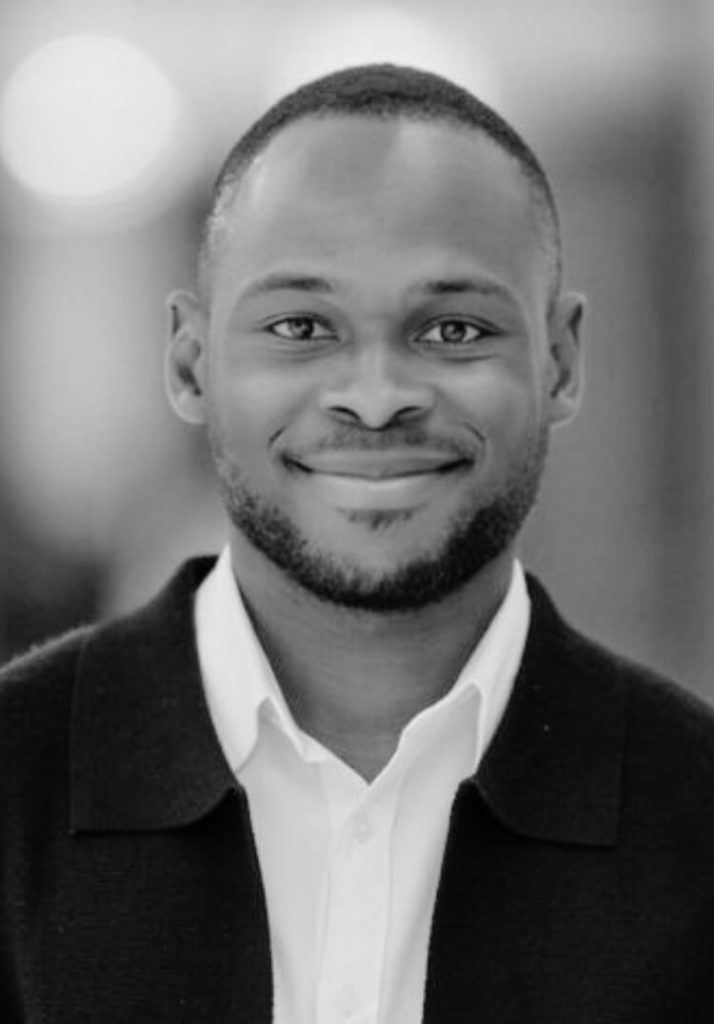
It was in a classroom, not a boardroom, that I first understood what leadership could mean. Beyond the classroom, I am emerging as a leader who chooses to embody character before career, wisdom beyond scholarship, service above self, and a lifestyle of participation over apathy. Teaching opened my eyes to the scale of Africa's youth unemployment crisis and to the transformative potential locked inside young people who simply lacked platforms, mentorship, and opportunity to design their lives. That recognition led me to go beyond education, into the world of service, leadership, entrepreneurship and social impact, which ultimately led me to found SIMPLEJOINT Trust, a non-profit driving innovative initiatives for youth empowerment and sustainable development across African communities. The MINDS Scholarship has deepened my understanding of servant leadership as a practice, not merely a philosophy in African Leadership. Leading with empathy, humility, and a genuine commitment to people on the margins is the kind of leadership Africa needs, so through my Executive MBA at ALU School of Business, I am building the leadership skills, entrepreneurial mindset, the organisational strategy and tech skills to build systems and lead in institutions that are both financially sustainable and firmly rooted in mission and social justice. My vision for Africa combines faith, resilience, and grit in the limitless potential of young people and for a sustainable future for our communities. I see a continent where the next generation leads with vision, virtue, and values.
Nigeria
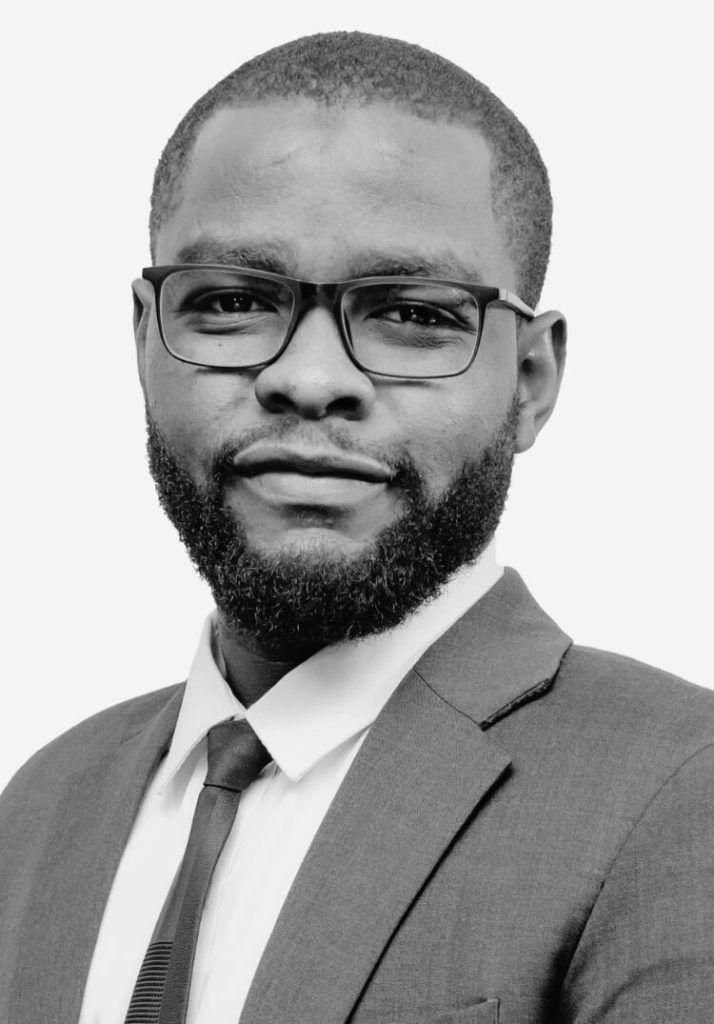
Growing up in northern Nigeria, I saw how a stolen motorcycle could unravel a family's income overnight. For many households, a single vehicle was not a convenience but a livelihood, and its loss had cascading consequences that no data point could fully capture. That early understanding of infrastructure as survival, not just convenience, set me on a path towards engineering, and eventually towards building SafeBox, a vehicular security and telematics platform designed to address exactly these vulnerabilities. Developing deep expertise in IoT, embedded systems, and machine learning at Carnegie Mellon University Africa, I am engineering solutions that are built for African conditions from the ground up. The MINDS Scholarship is reinforcing a belief I have long held: that Africa does not need adapted imports, but technology conceived and constructed locally, resilient to our unique infrastructure constraints. I am working towards a continent where intelligent systems power smart, safe cities, where African engineers lead global innovation, and where technology creates meaningful opportunity for millions rather than a privileged few.
Tanzania
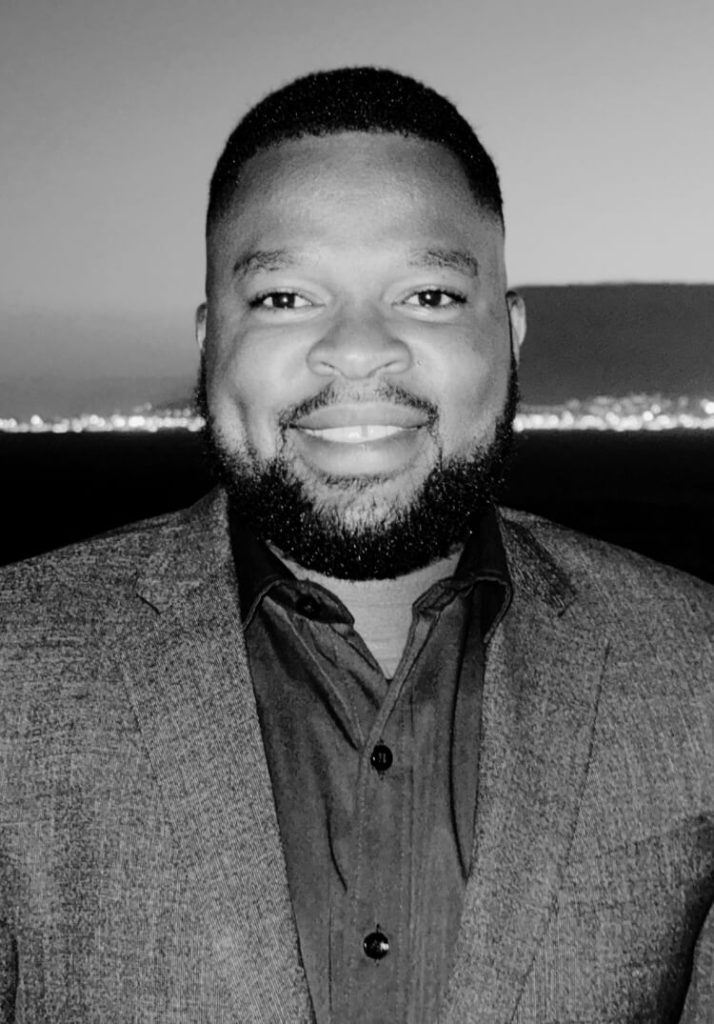
Tanzania has no shortage of well-written policies. What it has struggled with is the gap between what those policies promise and what citizens actually experience. Working in the public sector, I observed first-hand how weak accountability structures, limited use of data in decision-making, and poor oversight between policy design and implementation allowed good intentions to dissolve into disappointing outcomes. That gap is not abstract; it shows up in understaffed clinics, unreliable services, and communities that have learnt not to expect much from the state. Framing this as a solvable problem rather than an inevitable one is where my work begins. Through my Masters at the University of the Witwatersrand, supported by the MINDS Scholarship, I am equipping myself with the public management and monitoring and evaluation tools needed to strengthen institutional performance in Tanzania and across the continent. I am drawn to an Africa aligned with the aspirations of Agenda 2063: democratic, people-driven, and prosperous, where public institutions earn trust through transparency, where evidence guides decisions, and where development plans translate into genuine improvements in everyday life.
Mali
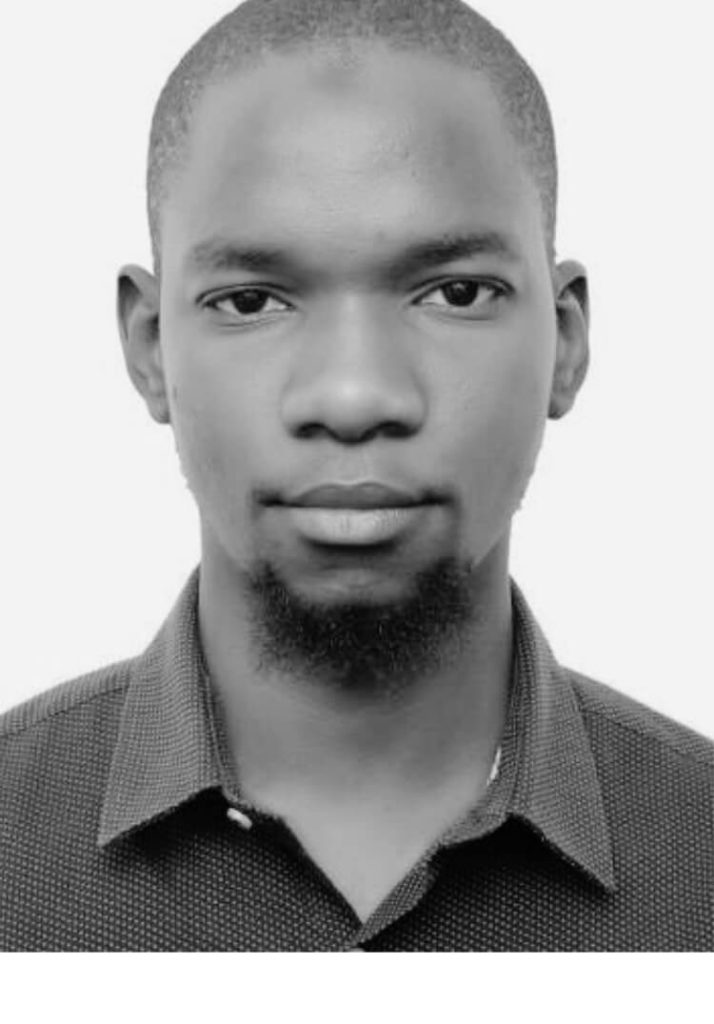
There is a paradox at the heart of African agriculture that has troubled me since childhood: a continent blessed with fertile land, abundant water, sunlight, and labour that still cannot feed itself without importing from abroad. Growing up in Mali, watching smallholder farmers work hard yet remain food-insecure, I became convinced that the problem was not effort or potential but the systems connecting producers to markets. That conviction set me on the path to agribusiness. Through my MPhil in Agribusiness Management at KNUST, supported by the MINDS Scholarship, I am conducting value chain research on commercial poultry production in Mali. This is work that reflects a broader belief that rigorous, ground-level analysis is what turns agricultural potential into food sovereignty. I am working towards a continental agricultural market where produce, people, and ideas move freely across borders, and where Africa's extraordinary natural endowment is finally harnessed in service of its own people.

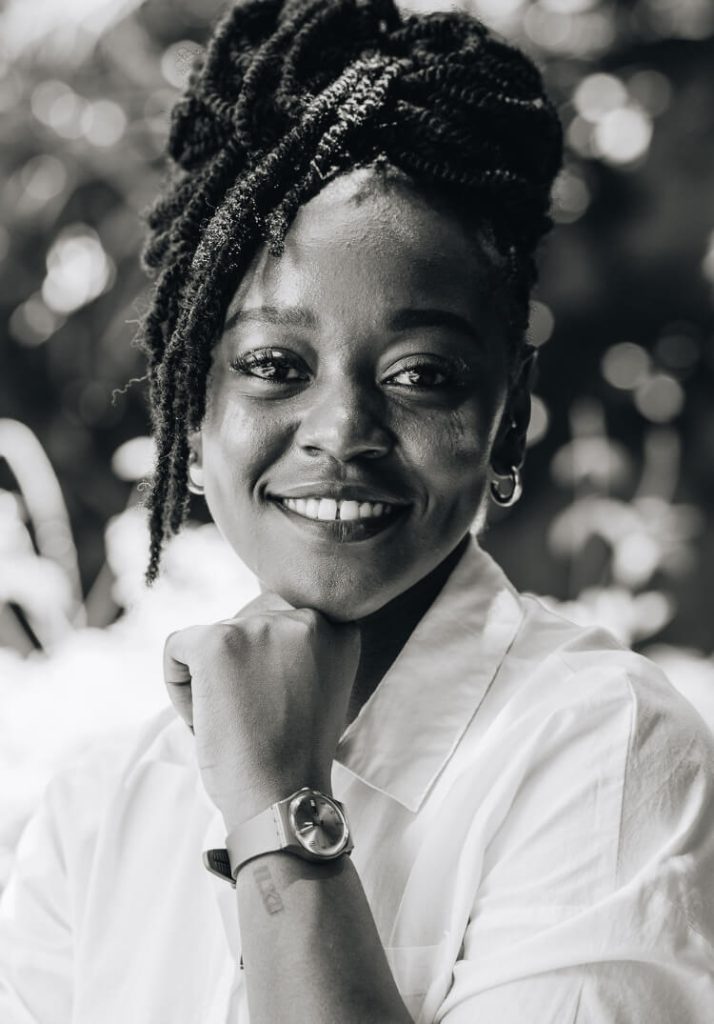
Africa has never lacked creative talent. What it has lacked are the systems to protect, finance, and scale that talent on its own terms. Working for nearly a decade across film, music, and media in Nigeria, the UK, and the United States, I watched gifted filmmakers lose their intellectual property, musicians unable to monetise their catalogues, and storytellers driven abroad in search of fairer conditions. The problem was not ambition; it was governance, and the absence of legal frameworks, structured investment, and co-production treaties that would allow the industry to grow sustainably. Enrolling in the Executive MBA at ALU was a deliberate response to that gap. With a legal background, a track in artificial intelligence and data science, and the strategic leadership skills I am building, I intend to facilitate the policy dialogues and investment frameworks that will make that vision a reality in Nigeria and across the continent. The MINDS Scholarship is helping me articulate what I have long believed: that Africa's creative economy must be treated as a serious industrial pillar, one that drives GDP, employs youth, and projects African culture with ownership and pride.
Kenya
Good intentions are not enough. I want to support philanthropic organizations through strategy analysis and philanthropy advisory, because I have seen that many grassroots and feminist organizations in Africa struggle to access international climate funding even though they are working directly with affected communities. At UCT's Graduate School of Business, I am pursuing a Masters through a thesis-based programme, building the skills to support philanthropic organisations in a more meaningful way. My vision is for an Africa that has better leadership that works for the everyday people, where climate finance reaches those who need it most.
Uganda
My passion for artificial intelligence grew out of a personal encounter with Africa’s healthcare gaps. As I pursue a Master of Science in Engineering Artificial Intelligence at Carnegie Mellon University Africa, I remain driven by the desire to design technologies that improve access to healthcare for communities that have long been overlooked. Having watched loved ones battle Alzheimer’s without specialised support, I understand deeply how urgently African healthcare systems need innovation. I am now refining my focus on context-appropriate AI systems that can strengthen diagnosis, treatment, and patient support. I hope to contribute to solutions that make quality healthcare more accessible to families across the continent. My vision is an Africa that controls its resources, builds its own systems, and charts its own development path without dependence or conflict.
Growing up, I became increasingly aware of how mental health challenges affect young people and how often these struggles go unnoticed. This awareness later shaped my decision to pursue a Master’s in Development Economics at the University of Cape Town. I believe early psychosocial support and life coaching can make a significant difference in creating healthier communities and more resilient youth. My studies have broadened my understanding of how mental health intersects with development and community well-being. Inspiring me to contribute to initiatives that strengthen emotional support structures in schools and homes. My vision for Africa is one rooted in togetherness, where communities support one another, and young people are equipped to thrive emotionally and socially.
Nigeria
My path into technology began with a fascination for how digital systems shape everyday life and how much potential they hold for young Africans. I am currently pursuing a Master of Science in Information Technology, specialising in Cyber Security, at Carnegie Mellon University Africa, where my interest in leadership and youth development continues to grow. Over time, I have become increasingly drawn to the question of how secure, trustworthy digital infrastructure can empower the continent’s growing youth population. The MINDS Scholarship has helped me expand my understanding of the links between technology, governance, and development. It has strengthened my commitment to helping young Africans build and lead in a rapidly changing digital world. My vision is to help engineer Africa’s future by empowering emerging leaders with technological skills and cultivating a culture of innovation that drives sustainable and equitable development.
My journey into bioethics emerged from years of working closely with vulnerable women, especially commercial sex workers who are often excluded from essential healthcare, dignity, and economic opportunity. Now studying for a Master of Science in Bioethics at Makerere University, I am committed to designing ethical, AI-informed solutions that address the mental health and livelihood challenges faced by these women across the continent. The MINDS Scholarship has further enabled me to deepen this work by grounding it in a broader African development context. It has strengthened my resolve to create pathways that restore dignity, well-being, and economic independence. My vision is an Africa where vulnerable women are supported rather than stigmatised, and where bioethics and innovation work hand in hand to advance equality, health, and decent work for all.
Gambia
My interest in diplomacy and governance grew from observing how decisions made in regional and global spaces profoundly influence the lives of ordinary Africans. That curiosity led me to pursue a Master’s in International Studies and Diplomacy at Al Akhawayn University, where I focus on democratic governance and parliamentary accountability. I believe that without strong institutions and transparent leadership, development efforts across the continent remain fragile. I have now gained deeper insight into how governance reforms, treaty negotiations, and civic engagement can shape Africa’s future. I hope to support policymaking in The Gambia or within a regional institution, while mentoring young people to understand their role in diplomacy and public service. My vision is an Africa where corruption is curtailed, rights are upheld, and young people have meaningful opportunities at home.
I have always been intrigued by the relationship between law, society, and development, which led me to pursue an LLM by Coursework and Dissertation at the University of Cape Town. My academic work focuses on criminology and justice reform, particularly the ways in which weak or unequal justice systems contribute to poverty, exclusion, and instability. I am motivated by the belief that fair, accessible, and context-responsive justice institutions are essential to sustainable development. I now have the opportunity to explore justice reform on a continental scale and to strengthen my commitment to policy development and legal research. I hope to play a role in advancing reforms that improve access to justice and support stronger institutions grounded in African realities. My vision is an Africa where effective governance and equitable justice create the foundation for opportunity and inclusive growth.
Kenya
My academic and professional journey has been shaped by a desire to use artificial intelligence to solve complex development challenges. Now completing a Master of Science in Engineering Artificial Intelligence at Carnegie Mellon University Africa, I am particularly inspired by how technology can help address climate change and environmental vulnerabilities across the continent. I see AI as a powerful tool for strengthening decision-making and accountability. I am excited to explore how data gaps and weak environmental monitoring systems affect Africa’s ability to act on climate change. This has deepened my commitment to building ethical, inclusive, and policy-relevant AI tools. My vision is an Africa that leads in responsible AI, builds homegrown digital solutions, and uses evidence to strengthen institutions and improve community resilience.
Swaziland
I am pursuing a Bachelor of Science Honours in Urban and Regional Planning at the University of the Witwatersrand. At just 21 years old, I’m driven by a creative and Pan-African spirit to reimagine African cities through inclusive, locally relevant planning. The MINDS Scholarship has provided me the opportunity to deepen my skills in spatial analysis, planning interventions, and community engagement—always through a decolonial lens. I believe African cities have been long shaped by imported planning models, often neglecting the lived realities of local people. My mission is to change this by advocating for context-specific planning that centres on equity, access, and dignity.
Zimbabwe
I am currently pursuing a Master of Science in Engineering at the University of the Witwatersrand, building on my undergraduate studies in Metallurgical Engineering from the University of Zimbabwe. Though I initially imagined myself in chemical engineering, I eventually found my path in metallurgy—a shift that turned out to be a perfect fit, especially given my love for chemistry. My professional and academic journey has deepened my interest in sustainable mineral resource development and the formalisation of small-scale mining across Africa. The MINDS Scholarship has enabled me to explore my passions more intentionally. I’m particularly focused on transforming the artisanal and small-scale mining (ASM) sector in Zimbabwe. Despite producing over 60% of the country’s gold, this sector remains largely informal, under-regulated, and dangerous. I believe in reforming policy, business models, and licensing systems to protect workers and support the long-term viability of small-scale mining.
My name is Lyn Nzioka from Kenya, and I am currently pursuing a Master’s in Electrical Engineering at the University of the Witwatersrand. I bring with me a background in Electrical and Electronic Engineering from the University of Nairobi, and I’ve enriched that technical foundation with a postgraduate diploma in Innovation and Entrepreneurship through the AFRETEC programme. The MINDS Scholarship has made it possible for me to continue my research into secure, energy-efficient communication networks—particularly in the context of Next Generation Networks (NGNs) and the Internet of Things (IoT). My current focus is on the security, efficiency, and reliability of wireless communication, particularly for IoT and sensor networks used in smart homes, health monitoring, and remote sensing. I’m exploring low-power communication methods, including ambient backscatter, which lets small devices send data by reflecting existing signals, saving energy and reducing costs. This could enable more affordable and secure tech solutions, especially in areas with limited power or internet access.
My name is Melissa Muchiri from Kenya, and I am currently pursuing a Master’s in City and Regional Planning at the University of Cape Town. With an undergraduate background in the Social Sciences, I found a natural academic home in City and Regional Planning—where disciplines intersect, and where I could apply my diverse interests in spatial justice, sustainability, and entrepreneurship. The MINDS Scholarship has empowered me to explore the fast-changing dynamics of African cities, while adopting a Pan-African lens. As the continent continues to urbanise at record speed, I believe there is an urgent need to proactively plan for inclusive, ecologically sustainable, and context-specific urban futures. My Master’s research focuses on the role of business hubs and incubators within township small business ecosystems. I want to better understand how these spaces operate, who they serve, and how they can strengthen local entrepreneurship without replicating exclusionary patterns.
DRC
My name is Murielle Ngoie. Originally from the Democratic Republic of Congo and raised in South Africa, I am currently pursuing a Master’s in Economics and Finance at Kwame Nkrumah University of Science and Technology in Ghana. With a diverse professional background spanning fintech, community service, and financial literacy advocacy, I am deeply committed to driving inclusive financial transformation across Africa. The MINDS Scholarship has enabled me to strengthen my academic foundation in finance and economics, bridging theory with my real-world experience in business development and digital financial services. Over the last five years, I have worked in the fintech space—developing customer service platforms, managing prepaid debit card solutions, and supporting diaspora financial inclusion. From JCI leadership to grassroots community support in Gauteng, my journey has been shaped by the belief that ethical, accessible finance is key to economic dignity.
My name is Generosa Mwanyangapo from Namibia, and I am currently pursuing a Master’s in Anthropology at the University of Cape Town. Anthropology has given me the tools to question deeply—exploring both the obvious and the hidden aspects of life—and to engage with complex social issues through an empathetic and inquisitive lens. The MINDS Scholarship has enabled me to explore interdisciplinary questions around social justice, violence, mental health, and food insecurity—particularly in the African context. I am passionate about understanding how people make sense of their worlds, especially those heavily shaped by violence, and the systems that shape those experiences. My academic and lived experience have shown me that many of Africa’s most pressing problems are not simply about policy gaps, but about how our systems fail to consider culture, history, and context.
Zimbabwe
My journey in law began with a passion for human rights, inspired by my mother’s humanitarian work and my father’s legacy as a historian. Yet through my studies, I discovered a strong resonance with trade law—especially in the context of regional development in Africa. The MINDS Scholarship has empowered me to delve deeper into Africa’s trade integration efforts. I’ve realised that while the African Union and various regional economic communities outline grand integration frameworks, member states often act in contradiction to these ideals. This disconnect sparked my academic interest and career ambition to contribute to a more harmonised, cooperative Africa. My coursework in Law and Regional Integration has allowed me to explore the political, legal, and economic interplay of institutions like SADC, COMESA, ECOWAS, and the AfCFTA.
My name is Oluwatosin Quadri from Nigeria, and I am currently pursuing a Master’s in International Trade Law at the University of Cape Town. With prior experience in legal practice and company secretarial work in Lagos, I developed a passion for commercial law and how it shapes economic and trade systems globally. While litigation introduced me to the courtroom, I found my curiosity sparked by business law, leading to a focus on international trade and comparative legal frameworks. The MINDS Scholarship has enabled me to explore critical issues in African legal systems, such as cross-border trade, economic integration, and inclusive policy development. My current academic focus includes studying the Afreximbank Model Law on Factoring and the implementation of the African Continental Free Trade Area (AfCFTA). These tools are instrumental in fostering trust, streamlining financial services, and empowering African businesses to thrive within and beyond national borders.
My name is Miracle Nnabuko from Nigeria, and I am currently pursuing a Master’s in Electrical Engineering at the University of Cape Town. With a professional background in IT consultancy, regional project management, and DevOps engineering, I have joined the academic space to deepen my expertise in telecommunications. My research focuses on next-generation network communication systems—specifically improving the reliability, security, and resilience of how data is transferred and deployed. This builds on my experience with software deployment and infrastructure management and opens up further exploration of how innovation can be better integrated into Africa’s growing tech landscape.
Sierra Leone
My journey into environmental sciences began in the rural landscapes of my childhood and was refined through academic and field experience across the continent. I pursued my undergraduate studies at the African Leadership University in Rwanda as a Conservation Scholar, and I am now completing a Master of Philosophy in Environment, Society and Sustainability at the University of Cape Town. The MINDS Scholarship has enabled me to deepen my impact in the environmental sector. I am passionate about tackling ecosystem degradation and biodiversity loss, challenges that threaten Africa’s livelihoods, climate resilience, and long-term sustainability. My work is rooted in community-based conservation, youth education, and practical, nature-based solutions.
My name is Charles Maseko from Eswatini, and I am currently pursuing a Master’s in Public Health with a specialisation in Health Economics at the University of Cape Town. My academic journey began in the natural sciences before I transitioned into public health and eventually health economics. This shift was driven by a personal desire to understand why, despite substantial public health funding, many citizens in low-resource settings—like my home country—still lack equitable access to quality healthcare. The MINDS Scholarship has enabled me to focus on health system strengthening, particularly through evidence-based policy design and healthcare financing reform. My passion lies in exposing inefficiencies, advocating for transparency in resource allocation, and evaluating health programmes to ensure that public money delivers public impact.
Ghana
My name is Christopher Cofie Kuzagbe, and I come from Ghana. With a background in Computer Science, IT, and UX design, I am currently pursuing a Master’s in Project Management at the University of Cape Town. My vision is to integrate technology, design, and project leadership to deliver scalable and inclusive digital solutions—particularly within Africa’s fintech ecosystem. The MINDS Scholarship has given me the opportunity to expand my capabilities beyond design into project execution, enabling me to lead cross-functional teams, manage risks, and bring to life user-centred digital products. I aim to transition into product management, applying agile methods, human-centred design, and technical knowledge to close the gap between innovation and accessibility.
Nigeria
With a background in Pharmacy and over five years of professional experience, I transitioned into Public Health to pursue a proactive approach to healthcare—one that prioritises prevention, research, and local relevance. I am currently completing my Master of Public Health at the University of Cape Town, specialising in Epidemiology and Biostatistics. The MINDS Scholarship has given me the opportunity to deepen my expertise in epidemiology, health data analysis, and surveillance systems—particularly through an African lens. Too often, our health responses rely on Western data, which may not reflect the environmental, cultural, or socioeconomic realities of African populations. My mission is to change that by leading contextually grounded research that informs better policies and public health practices.
My name is Andza Magagula, and I come from Eswatini, where the creative industry is still in its infancy. Growing up, I was surrounded by storytellers—my grandmother, my aunts, and the television characters they loved. I witnessed how storytelling shifted their emotions and perspectives, even for a few days. It made me realise that theatre has the power to move us, to heal us, and to reflect who we are. The MINDS Scholarship gave me the opportunity to pursue my Honours degree in Theatre and Performance at the University of Cape Town—a space that is both rigorous and enriching. It’s pushed me to stretch myself, challenge my thinking, and engage with storytelling on a deeper, more transformative level. Here, I’m refining my craft not just for my own growth but to ignite change through the stories we tell.
Privy is currently pursuing a Master's degree in Civil and Water Engineering at the University of Cape Town. He previously graduated with honours in Civil Engineering from the National University of Science and Technology in Zimbabwe. Privy is deeply committed to sustainable water resource management and infrastructure development, particularly addressing critical issues such as increasing water scarcity. He has actively participated in projects aimed at enhancing water and road infrastructure. Privy envisions a politically united and economically stable Africa, free from the burden of diseases and equipped with advanced infrastructure. His goal is to contribute to the continent's development by shaping policies through research and pushing the boundaries of innovation. In addition to his academic pursuits, Privy actively engages in initiatives that promote sustainable development and community resilience.
Zimbabwe
Passionate about the fast-tracking of the African Union's Agenda 2063, Nothando Phuti is pursuing a Master of Arts in Migration and Displacement at the University of the Witwatersrand to deepen her understanding of Africa's migration management systems and their impact. She envisions a united and integrated Africa where the African passport facilitates the free movement of people, goods, and services. Nothando believes this will unlock untapped markets, create jobs, and provide opportunities beyond congested cities, fostering trade and development within the continent. By moving away from colonial-era migration governance that imposes arbitrary national borders, she aims to address unequal access to education, opportunities, and resources. Her ultimate goal is to unite the people of Africa and achieve equitable prosperity, ensuring that all Africans benefit from the continent's growth and development.
Hassan is enhancing his expertise in Legal Advocacy at the University of Cape Town. Holding a Bachelor's degree in Law from Mogadishu University, Hassan founded the Samale Law Firm, an organisation based in Mogadishu that provides legal representation in civil and criminal litigations. He is passionate about environmental issues and sustainability development, working part-time as a volunteer to raise awareness and engage in environmental activities. Hassan's professional work includes developing legal frameworks to protect community rights and promote sustainability. He envisions a united Africa characterised by good governance and prosperity. In addition to his studies, Hassan actively participates in community service and clean-up drives, demonstrating his commitment to both legal advocacy and environmental stewardship.
Kenneth is pursuing a Master's in Development Policy and Practice at the University of Cape Town. With a background in law, Kenneth is passionate about developing sustainable resource-based economic growth through effective legal regulation, governance, and policy. He aims to leverage his Africa-focused development policy and governance skills to work with development institutions across the continent. Kenneth is dedicated to ensuring that natural resource-based economic development is balanced with environmental accountability. He envisions an Africa where economic growth benefits all while safeguarding the environment for future generations. Actively involved in policy research and forums, Kenneth advocates for equitable prosperity through sustainable management of Africa’s abundant natural resources. His commitment extends to promoting transparent governance and climate-conscious development strategies, aiming to mitigate inequality, protect biodiversity, and build resilient communities across Africa.
Senegal
Lassana is studying towards a Master's degree in Geo-Information Science For Natural Resources Management at Kwame Nkrumah University of Science and Technology. His work is dedicated to empowering local communities to manage natural resources sustainably. Actively involved in various conservation and sustainable development projects, Lassana aims to balance economic growth with environmental stewardship. He envisions a resilient Africa that responsibly harnesses its natural resources while encouraging innovation and entrepreneurship. Passionate about sustainable land management, natural resource conservation, and disaster risk reduction, he strives to address pressing environmental challenges in Africa.
Tefo is studying at the University of Cape Town, bringing his expertise in healthcare to a new environment. Passionate about transforming healthcare in Africa, Tefo envisions an economically free and healthy continent where everyone has access to quality healthcare services. Actively involved in health awareness campaigns and community health initiatives, he aims to build world-class healthcare systems that improve health standards across the continent. Tefo believes that better healthcare will lead to increased productivity, enabling Africans to contribute to the continent's development fully. His commitment to addressing the poor state of healthcare in many African countries drives his mission to enhance the well-being of African citizens and promote economic freedom and prosperity for all.
South Sudan
Khamis is pursuing a Master’s degree at the University of Cadi Ayyad in Marrakech, Morocco. With a passion for human rights, Khamis aims to become a human rights defender, advocating for improved governance in Africa. He believes that good governance is essential for development, paving the way for advancements in infrastructure, science, and research. Khamis envisions an Africa that fully utilises its abundant natural resources sustainably to lift its population out of poverty. Beyond academics, he is actively involved in initiatives that promote human rights and good governance, striving to create a better future for all Africans.
Kudakwashe is advancing his expertise in Development Finance at the University of Cape Town and has significant experience working with financial institutions on sustainable energy investments. He is passionate about addressing Africa's energy gap, aiming to attract finance for energy development projects and influence policy to create a favourable environment for investment. With over 600 million people in Africa lacking access to reliable electricity, Kudakwashe envisions a future where every African has access to sustainable energy. He is driven by a passion for researching renewable energy technologies and exploring innovative solutions to close the energy gap.
Lesotho
Tlotliso is currently studying at the University of Cape Town, aspiring to become a proficient professional in spatial science and a leader in her field. Her research focuses on developing methodologies to document forced removals, with case studies including District Six and Die Vlakte in South Africa. Tlotliso is passionate about addressing historical injustices and envisions a united Africa characterised by development and equality for all. Her academic journey at UCT is a crucial step toward achieving these ambitious goals.
Diana, specialising in Urban Planning at the University of Cape Town, graduated summa cum laude in Urban and Regional Planning from the University of Nairobi. She is dedicated to empowering marginalised groups through policy and practical interventions, fostering an inclusive and equitable Africa. Diana's work focuses on creating responsive urban solutions that address social equity and improve the quality of life in underrepresented communities. Her current Master’s studies will be instrumental in helping her bridge the gap between policy and practice, enabling her to make a tangible impact. Actively involved in community development, Diana volunteers her time to various projects, demonstrating her commitment to enabling spaces for sustainable and inclusive growth in urban areas.
Rwanda
Adeline is currently expanding her knowledge with a Master of Science in Immunology and Clinical Microbiology from Makerere University. Adeline is deeply committed to improving health outcomes in Africa through her focus on immunology and microbiology research. Her work, driven by a passion for creating health resilience and equity, confronts the region's infectious diseases. Adeline's ultimate aim is to reduce Africa's reliance on foreign pharmaceuticals and bolster local clinical trial research, ensuring medications and vaccines are developed and tested within the continent using African resources and talent. She envisions a future Africa that fully utilises its natural resources, a continent living in peace, free of poverty and preventable diseases. Adeline actively participates in medical outreach programs and research initiatives.
Vincent is advancing his studies at Makerere University. His goal is to establish a crop tissue culture laboratory and work with local researchers to diagnose and mitigate emerging diseases. Vicent is deeply concerned about employment issues and food security, driven by high youth unemployment and poor farming methods. He envisions empowered local communities in Tanzania, capable of leveraging technology and local resources to tackle critical challenges. By improving farming techniques and introducing innovations like plant biotechnology, Vicent aims to create visible, positive transformations. He sees a future where local farmers achieve sustainable yearly production and thrive.
Zambia
Gemma is studying toward a Master's in Digital Marketing and Analytics at Al Akhawayn University in Morocco. Passionate about education in the digital sector, Gemma believes that the future is digital and that Africa must not be left behind. She envisions a united African continent, leveraging digital advancements for growth and development. In addition to her academic pursuits, Gemma is actively involved in initiatives that promote digital literacy and education access in Zambia, aiming to empower the next generation with the skills needed for a digital future.
Ahmad is pursuing a Master’s in Computer Science at the University of Cape Town. Committed to leveraging technology for social impact, he focuses on artificial intelligence and software development to address challenges in education and healthcare. Passionate about bridging the digital divide, Ahmad works to ensure equitable access to digital resources and digital literacy across Africa, fostering socioeconomic advancement and inclusive growth. He envisions an Africa where technology drives sustainable development and empowers communities. Ahmad is dedicated to advocating for policies and initiatives that promote digital inclusion. Through innovative solutions, he strives to create meaningful social change and enhance the quality of life across the continent.
Ephraim Adongo is currently pursuing a Master's degree in Artificial Intelligence at the University of Cape Town. He is passionate about establishing an African-centered technology solutions company that caters to the needs of the African community. Ephraim believes that healthcare is a fundamental right and is working on a project to provide easy access to quality healthcare services through technology. He co-founded a tech company that provides solutions from website creation to building mobile applications, cloud services, data management, data analysis, machine learning, and prediction models.
Ephraim and his team are working on a project to link doctors, hospitals, patients, and pharmacies on a single platform to provide easy access to healthcare services. They hope to launch this project soon. Ephraim is committed to building a sustainable future for Africa by providing access to technology and healthcare for all.
Cornelius Chen-Chen is a passionate engineer from Uganda, pursuing a Master of Science in Civil Engineering, specialising in Water Quality at the University of Cape Town. Cornelius was inspired to open his own company, Wawtex Solutions Limited, to positively impact his community by providing water and energy solutions. He aims to identify challenges and provide context-specific solutions, working with local communities, NGOs, and government organisations to design and implement water quality management systems. Cornelius hopes to contribute towards a more sustainable and equitable future for Africa by developing innovative technologies and approaches to address critical water and energy challenges, promoting sustainable water management practices, and empowering communities to actively shape policies and decisions that affect their lives and the environment. His ultimate goal is to contribute towards a more equitable and ecologically-balanced future for the African continent.
Zimbabwe
Kundai Mazarura is pursuing a Master’s degree in Pharmaceutical Sciences at the University of the Witwatersrand in South Africa. Her interest in the pharmaceutical industry led her to her massive transformative purpose of establishing a large pharmaceutical manufacturing company in Zimbabwe that will employ innovative manufacturing technologies such as 3D and 4D Printing to produce bespoke drug delivery systems to meet the unique needs of different patients.
In addition to revolutionizing the manufacturing field, Kundai believes that Africa has the potential to be the source of solutions to some of the world's unmet therapeutic needs and dilemmas through tapping into untried indigenous remedies with minimal side effects.
Zimbabwe
I am enthusiastic about helping businesses thrive, particularly small and medium-sized enterprises (SMEs) that often face financial challenges and need more management expertise. By generating and organising capital and directing it to these SMEs, I can facilitate job creation and crucially contribute to the socio-economic well-being of the Zimbabwean and SADC communities.
With a focus on venture capitalism and private equity, I can significantly impact the SMEs I work with. Furthermore, I am researching free trade areas in Africa to reduce the cost of production, particularly in regions that rely heavily on raw materials and labour. My work is driven by my desire to change how business is conducted in Africa and to make a significant contribution to the future of our continent. By sharing my knowledge and expertise, I hope to bring new ideas and perspectives and help unify Africa through trade.
Lerato Pitso is pursuing a Honours degree in Sociology at the University of Witwatersrand in South Africa. Her interest in sustainable development in Africa led her to focus on the relationship between economics, labour, and development. Lerato believes in developing transformation strategies and projects for Africa's economic growth.
She is particularly concerned about rampant unemployment in Africa, where she believes more effort can be placed on developing entrepreneurial skills than demanding jobs from the government. Lerato's vision for Africa is to have people take responsibility for the continent's challenges and work together towards its development. She hopes to work for an agency or organisation that focuses on development and aims to empower communities to make a sustainable income for themselves.
Lesotho
As I grew older and travelled across my home country of Lesotho, I witnessed the widespread deprivation common in many communities. This experience inspired me to make it my mission to tackle poverty. I believe the easiest way to do this is by addressing financial exclusion in Africa by creating investment and savings groups for those struggling with financial planning and decision-making.
Drawing on my experience in training communities on saving and investing for their future, I understand the transformative power of fundamental financial literacy. By providing families with sustainable tools for economic growth, we can empower them to achieve long-term prosperity. As I pursue My Master's degree, I hope to gain the necessary skills in corporate finance, investment management, and risk management to create innovative financial solutions that benefit Africa's underserved communities.
South Africa
My dream and intention are to create a non-profit educational organisation, and a Pan-African institution focused on Education, Training, and Development (ETD), similar to what MINDS has already accomplished. I am acquiring the necessary skills, knowledge, and expertise to bring my vision of efficient, relevant education that meets the needs of the industry to fruition. Growing up in South Africa, I have seen the unfortunate consequences of the Bantu Education Act of 1953; I have dedicated my life to addressing the education crisis in Africa. Our current systems and institutions fail to adequately prepare young people for the future, with high-quality education accessible only to a privileged few.
As an ETD advocate, investing in young people is the key to breaking the cycle of inequality and creating a brighter future for Africa. My vision for Africa is one where quality education and information are accessible to ALL children, regardless of their ethnic, class, racial, religious, ability, or geographical backgrounds and contexts. I envision providing access to high-quality education that empowers young people to become the best versions of themselves, developing metacognitive, solution-oriented thinking. I want to see citizens with economic opportunities that enable them to provide for themselves and their communities, reducing their dependence on the government.
Benin
Data must be used to inform and drive decisions in Africa's priority growth sectors. To actualise Africa's potential, we must prioritise widespread high-quality education and ensure access to technology in this highly digital and mechanised era. I have an undergraduate degree in Software Engineering, and I am now studying data science and applied machine learning at the Master's level at Carnegie Mellon University in Rwanda. As an education advocate, I highly appreciate the opportunity to receive a high-quality education at one of the continent's best institutions of higher learning and exposure to other cultures, systems, innovative solutions and like-minded changemakers and leaders that will shape Africa's tomorrow.
As one of the next-generation African data scientists, I see myself significantly contributing to the innovation and enhancement of data collection, sharing, and analysis, with the primary purpose of maximising efforts and efficiency, particularly in agriculture, health, education, ecology, trade industry, and energy. My ultimate goal is to use my degree to help governments, businesses, institutions, and development initiatives make better, more informed decisions using technology.
Ghana
Data is critical to making informed decisions, particularly in the energy sector. During my undergraduate studies in Ghana, I worked on projects related to net metering and designing microgrids to improve energy access for underserved communities. Energy access is a fundamental developmental issue that requires serious attention, and I am committed to contributing to finding solutions for Africa's energy challenges. I am driven to see Africa's economic growth catapulted through digital tools and widespread access to electricity.
Digitalisation and energy access are critical developmental issues that I am passionate about, and I plan to use my degree to contribute to finding solutions to these challenges. My travel experiences in Africa have exposed me to the importance of diversity and cross-cultural understanding. I have learned that interacting with people from different cultural backgrounds requires patience and the ability to manage diverse opinions. As Africans, we are incredibly diverse, and we need to learn to work together and find common ground to address the continent's developmental challenges.
I’m passionate about exploring Africa's economic sustainability options and addressing the ethical and philosophical foundations of institutional approaches. I am particularly interested in examining the effects of Macroeconimices Factors on debt sustainability, focusing on Gambia, my home country, where we are burdened with high debt levels. While I have worked with multinational and international organisations in the past, my current focus is ensuring that public funds and resources are used appropriately. Corrupt practices in public finance management remain an issue in Africa, and I am dedicated to addressing excessive borrowing and other factors that hinder access to funds for the masses.
For example, 46% of the national budget in Gambia is allocated towards servicing accumulated debt. As an activist, I have organised meetings, mobilised people, and led protests to raise awareness about issues affecting the masses. With a Master's in Development Finance from the prestigious Strathmore University in Kenya, I believe I can help improve Africa’s future prospects.
I am passionate about leveraging technology to drive Africa towards self-sufficiency and prosperity. My expertise in research, AI systems, and entrepreneurship is geared towards this goal. I envision a united Africa free from poverty, hunger, and conflict. In the Gambia, I have noticed that commercial agriculture is not widespread, and most families only grow enough food to sustain themselves.
With a Master's in Science in Engineering Technology, I'll be better equipped to develop autonomous systems that can detect and monitor pests and diseases in crops - helping to commercialise agriculture in Africa, creating a reliable source of income for farmers and promoting food self-sufficiency. Integrating AI and Robotics into African countries can also allow us to become more self-reliant, with agriculture being a significant source of revenue for our continent. Through my work as a scholar and researcher, I am committed to addressing developmental challenges and positively contributing to Africa's growth and progress.
Providing primary and secondary scholars access to computers is the best way Africa can find more sustainable, innovative solutions to our problems. Learning the ins and outs of a computer completely transformed the trajectory of my life, and I felt the need to share and teach my knowledge. So, when I worked, I also volunteered to teach secondary learners basic computer skills on weekends.
As part of Nigeria's National Youth Service Corp Programme, I was posted to a rural community where I taught mathematics. I organised inter-school quizzes, crisis management, and debating competitions during my year there. This experience inspired me to start a foundation that provides access to high-quality education and scholarships for high-performing scholars from remote areas who lack the financial means to pursue quality education. I feel a responsibility to "pay it forward" and help others as I have been helped. It is easier for individuals to excel and clarify their real-life and career purposes when they are not distracted by financial concerns.
Burundi
With a strong interest in policy-making and several completed courses in renewable energy design and sustainable energy, I am pursuing a Master of Science in Electrical and Computer Engineering. As a child of Burundi, my ultimate goal is to contribute to Africa, achieving independence by utilising our natural, physical, and intellectual resources and abilities to thrive with an autonomous system that benefits Africa to its fullest potential. As someone particularly concerned with the energy sector, I see untapped potential in Africa for the self-generation of energy.
Currently, we rely on importing fuel just to keep our lights on and businesses running. Sustainable energy is the foundation for moving forward and revolutionising priority growth sectors such as agriculture, manufacturing, production, and all other service and tech industries. I want to see a prosperous Africa where our citizens stay and do not become assets to other countries. I envision an Africa in the not-too-distant future that is so utopian that all Africans living elsewhere will return and help build our home.
I believe that for Africa to move forward and prosper genuinely, it needs to find “African solutions to African Problems.” This is a term coined by George Ayittey. He used the concept to galvanise Africans to reject the imposition of several unworkable foreign templates in Africa and urge African elites to take charge of the crisis on the continent. To understand a problem, it is essential to uncover the beneficiary of the problem and not who is suffering from that problem. This degree will allow me to refine my understanding of Africa’s challenges, especially regarding Pan- Africanism. I am passionate about Black Male Masculinities, Climate Change, and Women and Children's Rights, but, ahead of that, the issues of globalisation, modernisation, and a neoliberal capital agenda have seen African leaders quick to adopt Western prescribed solutions. This is unfortunate as the West's solutions relieve them of their role in Africa's condition of underdevelopment and vilify other external factors such as ethnic conflicts, military coups, corruption, and terrorist groups as the primary contributor to Africa’s problems. Therefore, My Massive Transformative Purpose is to contribute to creating an Africa with elected leaders who understand the true meaning of ‘African problems.’
Uganda
Despite the transformation brought about by information communication technologies in Africa, few professionals in the field are committed to fostering the development and management of digital technology and knowledge resources and promoting appropriate technology to meet digital technology needs. My Massive Transformative Purpose is to contribute to an Africa where technology is used to drive economic growth, create jobs, and improve the ease of doing business for entrepreneurs using future technologies. This degree will allow me to steer my career toward providing technical and managerial services in Information technology. I have passionately worked towards building my civic leadership knowledge and experience to tackle pertinent issues affecting African communities. Platforms like Mozilla Open Leaders X allowed me to develop an Online Safety Education Kit (E-Safety Education Toolkit for Young People in Uganda) to raise awareness about cyber security risks management in Uganda; I have also built regional and global capacity through training and developing Internet leaders who are motivated to learn and engage and act within their region and beyond. These varied experiences interacting with young leaders from different countries, sharing and learning from stories of failures and success while supporting and holding each other accountable for the change and development of Africa we want to see have shaped my Massive Transformative Purpose today.
Simphiwe’s goal is to become a Policy analyst who can affect policies that will develop her home country of Eswatini. She is passionate about poverty and education and wants to see the girl child given equal access to education. Enrolled for a master’s degree in economics, Simphiwe believes that working for the United Nations Development Programme (UNDP) in Swaziland will allow her to achieve her Massive Transformative Purpose, which is to achieve the first two of eight Millennium Development Goals: Achieve Universal Primary Education and Eradicate Extreme Hunger and Poverty.
Kenya
Gina has several years of experience mentoring young women, she is a leader at heart and wants to initiate change, impact Africa and leave a legacy for her community. Passionate about Pan-Africanism, she felt instantly connected with the ethos when she read the Mandela Institute of Development Studies (MINDS) vision. Gina believes that the world is based on economies, and what better way to change the economies than economics and finance when that is where the money is managed. Additionally, she believes that Africa has everything it needs to succeed; it is a continent rich in culture and resources. Thus, her Massive Transformative Purpose is to create an Africa where there is equitable development and a one Africa mindset
From an African perspective, the land extends beyond the economy. The importance of the market and private property, which is the core of capitalist thought and logic, is contrary to most African's perceptions of the land. Viewing and understanding land from an African and Capitalist viewpoint is necessary for the 21st globalised century - considering land as an investment, however, not ignoring the ecological, cultural, cosmological, social, and spiritual aspects. My Massive Transformative Purpose is to become an urban land expert to create an Africa where all people are educated about urban land and approaches and can make informed real estate investments. Because of the fast-rising population and demand for accommodation, real estate is a profitable sector in Africa. Instead of investing without foresight, I want to see Africans increasingly considering property investments by looking at location, land market dynamics and valuations. I want to help Africans think creatively and make wise investment decisions in the real estate market.
Joshua has been a practising lawyer for seven years. He believes that formal and informal education is a powerful tool to change the life circumstances of African people. His passion for Africa’s development can be seen through his commitment to volunteering at a boy’s club for over 12 years. Where not only formal education is emphasised, additionally boys from the age of nine to university going age are trained in life skills and etiquette. His career goals and interests have changed to accommodate his passion for Africa’s development. Initially in litigation, observing that several clients were paying for legal services but waiting up to 5-10 years for justice, disheartened, Joshua decided to move on to corporate and financial law. Once he moved into this space, his eyes were opened to the developmental challenges facing Nigeria, including a lack of infrastructures like power and roads and corruption. Joshua has enrolled for a master’s degree in International Financial Law and Regulation to research amongst other things, how public-private partnerships (PPP) can lead to infrastructure development in Nigeria. His Massive Transformative Purpose is to create a regional law firm that will provide legal and advisory services to the public and private sectors, aimed at accelerating intra-African trade and boosting Africa’s trading position. As part of his interest and commitment to education, Joshua also intends to join academia, this will enable him to empower more Africans through qualitative and comparative legal education.
Tanzania
When Ahmed attended the 39th SADC Meeting in Tanzania, most leaders noted Peace, security, and infrastructure development as key drivers for progress across the African continent. Ahmed believes that these three elements are critical enablers for productivity and sustainable economic growth and contribute significantly to human development, poverty reduction, and the Millennium Development Goals (MDGs). Ahmed is studying towards a master’s degree in International Studies and Diplomacy, intending to become a prominent diplomat. He believes that the best way to solve critical issues regarding infrastructure and security issues is through regional cooperation. His Massive Transformative Purpose is to create a safe continent able to conduct its development projects without external dependence. Al Akhwayn University gives him the opportunity and space to think critically about what growth and development looks like for Africa; now, he has observed the importance of rooting out the fundamentals of capitalism and fostering national goals while working towards a common regionalism goal.
Ethiopia
Medhn views the application of AI in Africa as being in its infancy. Through AI, Africa has a unique opportunity to develop its competitiveness in healthcare, agriculture, education, language translation and other sectors and address socio-economic challenges. Concerned by the multi-layered gendered digital divide, skills disparities among professionals and opportunities for usage of essential technologies to advance well-being, her drive is to ensure that AI does NOT marginalise women in Africa.
The main exclusion area involves data inaccuracy (AI's primary input), especially on gender-sensitive issues like health and employment. Data inaccuracy can also be an outcome of collection methodologies which miss activities and communities that fall outside the radar of the formal lens, resulting in "data blindness". Medhn is working towards eliminating the invisibility of women in data. Her aspiration of using her skills to help develop AI in Africa propelled her to enrol for her Master's in Engineering with a focus on AI. Medhn's Massive Transformative Purpose is to have an inclusive and advanced AI industry in Africa.
Sierra Leone
Mohamed is convinced that access to electricity should be at the core in Africa's development. Mohamed, experienced the devastating impact of electricity deprivation first-hand when a burning candle started a fire in his childhood home. Only 23% of Sierra Leoneans have access to electricity, which is below the Sub-Saharan average of 30%. The infrastructure gap impacts people's welfare and ability to access services, and also severely impedes competitiveness, job creation and poverty reduction. Working for a mini-grid developer and interacting with rural communities with no access to modern energy, Mohamed observed how communities that are deprived of electricity cannot interact with a massive part of the economy, such as digital payment services. Passionate about electricity access, he has enrolled for a Masters in Electrical and Computing Engineering. His Massive Transformative Purpose is to create an Africa where no citizen's full potential is limited because of the lack of adequate infrastructure such as access to clean, modern energy.
Nigeria
In the words of Nelson Mandela, “Education is the most powerful weapon which you can use to change the world.” As a proponent of education. Sunday not only understands the value of educating youth on recent technologies to drive digital economies, he also believes that with more educated people on the continent, who truly look out for the interests of others; Africa will grow and be able to compete on an equal footing with first-world nations. Sunday Nwanyim is pursuing a Masters Degree in Information Technology at Carnegie Mellon University. Sunday’s Massive Transformative Purpose is to realise a self-reliant Africa where people can leverage Information and Communication Technology (ICT) to create wealth that boosts economies. Currently, Africa’s biggest challenge lies in widespread corruption. With an undergraduate degree in cyber security, Sunday has seen the value of technology in curtailing corruption. “The best solution to corruption is transparency, and the easiest way to bring transparency is to bring technology into our economic system.” He has also observed the brain drain occurring in Nigeria and would like to set up systems that allow engineers to see opportunities so that they tap into the potential, and overcome the urge to leave the continent. Thus, on completing the degree, his vision is to build a hub that provides technical and leadership training for ICT engineers in Nigeria.
Education is the most empowering force in the world. It creates knowledge, builds confidence, and breaks down barriers to opportunities. However, in Africa and my home country, Burundi, millions of children may never receive high-quality education - locking cycles of poverty, poor health, voicelessness, unemployment, exploitation, and gender inequality. Education is the key to our continent's development. My Massive Transformative Purpose is to realise an Africa where all children can access high-quality education. As a Network Technician, Data Scientist and Electronic and Telecommunication Engineer, the MINDS Scholarship has enabled me to move towards actualising my vision for Africa - using data science to improve quality and access to education. Internet connectivity, the internet of things (IoT) and data usage enable more effective evaluation of educational programs, curricula, resources, and interventions to facilitate student, school, and national and continental success.
Kenya
Agriculture has always enthralled me, and my keen interest in the sector is two-fold; firstly. Agriculture is the single most important economic activity in Africa, employing two-thirds of the continent's working population and contributing up to 60% of national GDP. Secondly, quality food production is fundamental in keeping our people healthy - a healthy community is a wealthy community. Sadly, agriculture is burdened with essential limitations like land degradation, reduction in soil fertility, dropping water tables, vulnerability and unpredictability of global climate and poor adoption and underutilisation of technological tools and practices with untimely and unprocessed information and data. As an Artificial Intelligence Engineer, I see myself using machine learning to provide solutions contextualised to agriculture in Africa. The MINDS Scholarship has allowed me to increase my knowledge and networks in AI, propelling my Massive Transformative Purpose to see an Africa where agriculture is catapulted by machine learning, helping farmers determine the best plants or crops to plant based on indicators like soil type. Machine learning can also help detect pest and disease infestations, estimate the crop output and yield, and forecast crop prices and demand levels. I want to use AI to solve the scarcity of resources and labour and help African farmers cope with the increasing complexity of modern agriculture, leading to better agricultural practices and yields and qualitatively improving the lives of farmers and Africans.
Malawi
How we trade speaks to who we are as communities, as individual countries, and as a continent. A review of trade on the African continent unravels our entire history from pre-colonial, colonial to democratic governance, and further foreshadows where we are going. It is for this reason that I have held a passion for the future of Africa’s development. The MINDS Scholarship has given me the opportunity to discover my transformational purpose of enhancing knowledge and capacities on the intricacies of trade relations so that we may build back better. With the trade landscape expanding as a result of multi-lateral partnerships with Asia and global corporations, my aim is to facilitate innovation and creative thinking in this space, ensuring that we learn from the past for a better future.
Ghana
It is an honour to be recognised as a MINDS Scholar, not only because of the stature of the programme, but also because it is a unique opportunity to interact with fellow academics and development practitioners on the future our beloved continent. Africa is rapidly urbanising, with more cities being built and more communities relocating to these urban spaces in search of greater opportunities. As an Urban Developer, I have taken note of this rapid transition, and observed many countries adopting western models to urban development, which often do not cater for the lived-realities of the populations they are meant to serve. I aspire to change this trend, and leverage African solutions drawing on traditional and sustainable housing models to inform our urban development. The MINDS Scholarship is a significant milestone in mapping out this transformative intent, and I am inspired by my peers to strive for an Africa built on uniquely African innovative design.
Botswana
Inclusive and sustainable development has been the driving force behind my work and research. I have worked on peacebuilding programmes looking at supporting the development of conflict-affected countries in Africa. Beyond this, my work has engaged with a myriad of social development challenges and solutions such as projects focused on the empowerment of young boys and promotion of positive references for masculinity, and advocacy to combat stigma and discrimination of people with albinism. The MINDS Scholarship allows me to go one step further in realising my aim to effectively communicate the need for inclusive development to a wider audience. One of the frustrations that I continued to face in my working life, was the lack of one unified voice to communicate the complexity of development challenges – their push and pull factors, the exacerbators of social unrest, and the layers of discrimination. By combining my understanding of social development with development communications, I hope to mainstream communications for development and inspire Africans to take action for a better tomorrow.
Botswana
As the founder of a Tourism enterprise, I am acutely aware of the need to introduce and promote circular economies in Africa and beyond to support our development. In my opinion, the concept of companies giving back to their communities should not be seen as a rarity but should be common-place. The MINDS Scholarship is a defining moment in my career which allows me to consider the implementation of this framework in the presence of a network of peers all inspired to accelerate the development of our continent. As an entrepreneur, my company provides tours of the Okavango wherein the guests deliver supplies and packages to indigenous communities in the area. A small step towards loftier heights, this model awakened my interest in the private sector moving beyond corporate social responsibility (CSR), to the creation of a circular economy where small to medium enterprises are equal partners in the development of communities.
Zimbabwe
It is important to me that men are allies in gender equality, and overall equitable empowerment of all people. Throughout my career, I have worked on improving access to rights of marginalised populations, albeit enhancing access to sexual and reproductive health rights, children’s access to information, and advocacy for greater inclusion of youth to support the decade of development for Africa. I have always sought to deeply consider the intersecting issues faced by different communities, and will continue to work towards matching words with action. Being awarded the MINDS Scholarship is an exceptional opportunity for me to unpack how youth-led organisations can be successfully mobilised to achieve Africa’s potential. It has inspired me to claim my space as a young African leader, and work to instill the same level of assurance to the millions of other young leaders working to develop the communities and realise their transformative purpose.
Serving as an African Union Volunteer afforded me the opportunity to work with many countries in the region, to learn about Africa’s diversity, and to note the common challenges that we all face as a continent. It awakened me to the need for greater policy implementation to stimulate innovative thinking for sustainable development. The MINDS Scholarship is a milestone in achieving this developmental aspiration. My research will delve into the effect of income distribution on overall development. It aims to look at the micro-level economic structures to inform the wider systemic issues affecting the continent’s socio-economic progression.
Morocco
From Morocco to South Africa, I believe Africa faces comparable issues in relation to the distribution of raw materials. With this in mind, I am driven to exploring holistic responses to shared problems. The MINDS Scholarship Programme has given me the opportunity to investigate how Africa as a whole can progress from being consumers of natural resources to the creation and implementation of our own supply chains for and by Africa. My dream is to support Africa in realising its transformational potential; an Africa where natural resources are sustainably mined, refined, turned to products and utilised without external support – empowering African markets.
Kenya
As a Software Engineer my career thus far has equipped me with skills to develop systems to support children and young people access aid and services. My previous experience working for Food for the Hungry led to my development of a system to track donations, and ensure that they were equitably distributed to children in need. My selection as a MINDS Scholar is a watershed moment in my career, and I look forward to co-creating and thinking through technological solutions with like-minded academics and scholars. In particular, my focus will be the creation of information systems to improve access to mental health support services for women and children affected by violence and abuse.
Uganda
Leveraging global solutions for local impact, the MINDS Scholarship affords me the opportunity to explore how digital solutions can help Africa strengthen agribusiness for greater development outcomes. Growing up, I witnessed how my community had people with acres of land, but were still unable to generate a yield to sustain themselves. This could be due to a multitude of reasons, including soil health, seed funding to prepare yield and climate change affecting seasonal changes. However, the knowledge on how to counteract these factors was simply not there. The reality that I saw around me led to a deep-dive into how other countries were responding to shared challenges in agri-business. Lessons from Israel and the Netherlands illustrate how data can be used to improve food production. This scholarship is a way for me to meaningfully explore sustainable data and innovation solutions to resolve food production woes on the continent.
My passion is to equip future generations to have equal access to technology. To date, I have worked with children in my community to accelerate the rate of STEM Education (Science, Technology, Engineering and Mathematics). In doing so, I realised the need to go beyond STEM Education for youth, and expand this vision to the business sector. The MINDS Scholarship Programme enables me to support this dream, and further reach out to Small to Medium Enterprises (SMEs) and support their growth through the power of information technology (ICT). Africa has long been projected to record the most development gains in the wake of the technological era. In order to realise this aspiration, I believe that the strength of our growing youth population should be matched with a vibrant business sector also working in new technology fields.
“Understanding Comparative Business Law in Africa is the best way for me to appreciate how business works, and the laws that govern businesses on the continent. This will be my gateway to impactful entrepreneurship.” Conrad Nyathi is from Zimbabwe and pursuing a Masters in Comparative Business Law in Africa at the University of Capetown. His Massive Transformative Purpose is to “Eradicate the use of combustible energy in Africa”. He hopes to one day set up consultancy firms that invest in sustainable energy. After he completed his undergraduate degree he was immediately employed as an assistant lecturer at Midlands State University in Zimbabwe. However, noting the limitations of an undergraduate law degree, Conrad realised that to create real and sustainable impact, he would need to branch out into entrepreneurship. His Master’s degree in Comparative Law will, therefore, equip him with the ability to analyse and compare the different legal systems operating in Southern, Eastern, Western and North Africa, giving him the much-needed tools to launch his career in renewable energy on the continent.
DRC
“Africa has the capacity to collect, analyse and disseminate health data, it’s time we focused on our own context”. John Chonga is pursuing a Masters in Science at the University of Witwatersrand. He is from the Republic of Congo. His focus is on Bio-Statistics and Technology. As a certified medical doctor, in his practice, he noted that he and his colleagues appeared to be addressing the same conditions incessantly, without considering the root cause of many of these ailments. Therefore, many Africans are dying from diseases that could have been prevented. It is for this reason that John would like to see Africa move into the realm of preventative care working innovatively and collaboratively with statisticians and its finance sectors to focus on health issues that affect the continent. He has noted the challenge that most public health research and knowledge is derived from non-African sources and applied incorrectly to the continents health problems. He sees himself playing an integral and pioneering role in the curation of contextual health data that will aid in the development of preventative treatments for Africans. Johns Massive Transformative Purpose is to solve all of Africa’s health problems using African data.
Kenya
“Many times I feel that we, as Africans sell ourselves short… Often investors come in and steer arrangements to benefit them. So I think that we need to actualise our potential to ensure that we can benefit from those deals.” Priscah from Kenya is studying a Masters of Management in Finance and Investment at the University of Witwatersrand. Although she obtained her bachelor’s degree in quantity surveying, her love for numbers led her to a career in accounting and banking. Throughout her career in the banking sector, Priscah has observed that many deals such as bilateral agreements between African governments and Western states; Agreements between Multinational Companies and African governments, particularly deals involving the extraction and exportation of raw materials; and arrangements between African governments and business often benefit the non-African parties. Her Master's programme will allow her to help tip the scale in Africa’s favour. The rest of the world has seen the enormous investment potential that Africa possesses and she wants the people of Africa to benefit from them. Her Massive Transformative Purpose is to broker deals that ensure that Africa benefits from its natural resources.
“There are so many great ideas coming out of the African continent regarding how we can transform Africa, but we don’t talk about our capacity to transform these ideas into action”. Ronald is from Zimbabwe pursuing a Masters in social sciences at the University of Capetown. He has an undergraduate degree in economics, but after working at an organisation called African Capacity Building Foundation, he was intrigued by the world of work and the future of work. He, therefore, decided to branch into social sciences so that he can understand the macroeconomy and how it functions, focusing specifically on capacity development. Ronald is also interested in addressing the gap between what is needed by the economy and what is offered at tertiary institutions. Climate change and digital literacy skills are some of the topics that are not being taught adequately in schools, yet have a significant impact on the economy. Ronald believes that for him to transform ideas into action, it is vital to network with diverse people that have a similar mindset and advocate for dialogue between schools and tertiaries—TVET, Universities, High schools, and the state. Ronald’s “Massive Transformative Purpose is to upskill Africans so that they can be better prepared to engage in the world of work effectively”
“I've worked in commercial litigation and in the energy sector, advising developers on hydro, solar, and wind power plants. It's fulfilling and to actually see the project come together and generating electricity and you think to yourself, I was part of that.” Mumbi is from Zambia, studying at the University of Cape Town, pursuing a Professional Master’s in Commercial Law, after having completed his undergrad at the University of Zambia and subsequently being admitted to the Zambian bar as a legal practitioner. He is passionate about empowering youth and has worked with rehabilitating juvenile delinquents from juvenile correctional services back into their broader communities. Mumbi also has a keen interest in sustainable and renewable energy and believes that the future of sustainable power generation is dependent on an energy mix, with attention being paid to the elements, particularly wind, water and the sun. His Massive Transformative Purpose is to put an end to the exploitation of Africa’s natural resources to generate energy.
Nigeria
Christian Adetitun is from Nigeria, pursuing a Master of Science in Climate Change at the University of Capetown. Christian’s interest in climate change was sparked after reading an article about the devastating effects of changes in weather patterns on the continent. Coming from Lagos Nigeria, where most of the industries are concentrated, he observed that most Nigerians have a poor relationship with their environments and lack awareness about climate change. Nigeria has a lot of professionals, including doctors and engineers but he struggled to identify an expert in climate change and its impact on Nigeria, so his desire to walk uncharted terrains pushed him to enrol in this programme. Christian hopes to be able to create awareness around the impact of climate change and develop systems that build resilience. His Massive Transformative Purpose is to ensure that every Nigerian knows about the implications of climate change.
Nigeria
“I'm passionate about health. I want to assess the relationship between climate, and the spread of disease. I would like to read, learn and model data to produce early warning systems for Africa”. Amina describes her Massive Transformative Purpose as eradicating the spread of infectious diseases in Africa through the use of machine learning. Amina is from Nigeria and pursuing an MSc in Computer Science at the University of Capetown in South Africa. Growing up she has always had a keen interest in understanding how things work. As a researcher, she has observed the devastating effects of disease on impoverished communities, but also the positive impact of data in flattening the curve. Leveraging her natural affinity for mathematics, she decided to take up the challenge and test the waters. Amina is currently working on a project, trying to develop a model that predicts outbreaks of infectious diseases.
Malawi
Chisangalalo is from Malawi, pursuing a Master’s of Science in Procurement and Supply Chain Management at Kwame Nkrumah University of Science and Technology in Ghana. Before moving to Ghana to pursue his studies, Chisangalalo was a lecturer at Lilongwe Technical College. He observed the low levels of enterprise in his community. Many Malawians are struggling to start businesses because they lack skills and knowledge. He believes that this programme will equip him with the necessary skills that he needs to empower people in remote communities of Malawi to start entrepreneurial projects. Chisangalalo’s Massive Transformative Purpose is to double the number of small businesses operating in his community.
Nigeria
“Nigeria was always an agrarian economy but after oil wells were discovered, there was a shift from agriculture to crude oil—now the oil wells are drying up and everybody wants to go back to agriculture, but they want profitable agriculture. This is an opportunity I thought I should grab.” Ekemini Udoh is from Nigeria and has an undergraduate degree in Agricultural Economics and Extension. The degree hones in on the economics of agriculture—making the often crude practice a business that is profitable and sustainable. Ekemini’s Massive Transformative Purpose is to double the number of empowered, female agripreneurs in Africa. Ekemini has observed the exploitation of women in the agricultural sector, many of whom are forced to labour for their family without decision making power. Observing the many opportunities in agriculture for women, agricultural businesses and the positive impact of technology and innovation on sustainability, she decided to pursue a Masters in Agribusiness management at the Makerere University in Uganda. Ekemini is not afraid to get her hands dirty, beyond theory, she also understands the practical side of agriculture. “I have grown cucumbers, maize and pumpkins. During my internship, I went to the field— we grew and processed crops and took them to market”. She hopes to one day have her own vertically integrated agricultural complex to produce, process, market, package, and differentiate products.
“I invest my time and studies in technology and innovation. I’m obsessed with figuring out solutions to problems and believe that everything we do has a tech-related solution.” Aisha is pursuing a Master of Science in Information Technology at Carnegie Mellon University in Kigali, Rwanda. Aisha is a statistician and computer scientist passionate about software development and application software, data science as well as machine learning. She hopes to apply her knowledge to bring about positive change in education and health on the continent. She is determined to expose learners at the primary school level to technical studies, and foster a keen interest in the African girl child while pushing through the stereotype that technical studies are for men. Her Massive Transformative Purpose is to ensure that every school in Nigeria provides equal access to technical studies for boys and girls.
Lesotho
“Education is one of the greatest challenges for Africa—methods and models of teaching have much room for improvement. I want to help Africa access better, quality education. This is my passion and why I want to become a lecturer and academic.” Khotso has always loved to solve problems. When he was young, he participated in national Science fairs, hoping to come up with winning solutions to some of the continent’s most urgent problems. Khotso decided to amplify his problem-solving skills through a degree in Information Technology and he is now enrolled for a Master of Science in Information Technology in Rwanda. Combining his problem-solving skills and IT knowledge, he has started working towards developing learning solutions that can increase the efficacy of teaching and learning processes. He hopes to leverage technology, such as virtual reality and 3D simulations. He believes that this technology can be applied when teaching subjects such as chemistry where experiments that require engagement with substances in a lab, can be conducted off-site. Khotso’s Massive Transformative Purpose is to “Mainstream the use of Virtual Reality in science education at rural schools in Africa”.
“I will return to my country and see how the exploitation of crude oil can benefit its people and the rest of Africa.” Nomfur’s curiosity and fascination with geology initially came from observing oil rig labourers. The region where Nomfur grew up exploits crude oil and contributes to the bulk of his home country’s GDP. He is concerned about how his region remains severely underdeveloped and how his nation, Cameroon continues to receive food aid from NGOs, even though they have crude oil in abundance. After completing his undergraduate degree in geology, Nomfur appreciated the field of petroleum more and decided to study a Master of Science in petroleum geosciences at Makerere University in Uganda. His Massive Transformative Purpose, therefore, is to actualise the value of extracted resources to improve Africa’s welfare.
"My exposure to the legal systems of many African countries opened my eyes to the need for a framework that is centred on business rescue and the advancement of economic growth.” From Zimbabwe, Enodias is studying for a Masters in Laws in International Financial Law at Strathmore University in Kenya. Enodias’s desire to contribute to Africa’s financial services by playing an essential role in the regulation of financial markets, and investment laws, with the intent of fostering economic development through policies that bolster and sustain indigenous businesses. He believes that adopted laws and regulations that govern investments, financial services and the sustenance of indigenous small to medium enterprises are not fully applicable to the African context and therefore stifle the economic growth of African countries. Enodias’s Massive Transformative Purpose is to create an Africa with African laws that inspire investor protection; fairness, efficiency and transparency of securities markets and reduction of systemic risk.
The MINDS scholarship has afforded me the opportunity to study towards a Master of Laws at Strathmore University which is one of the most prestigious institutions in Kenya. The distinguishing feature of the institution is its international faculty which consists of being lectured by professionals from all over the world. Such a feature has exposed me, as an aspiring jurist, to not only the legal dispensation in Kenya but also to legal practices around the world. In addition to academic enrichment, the scholarship promotes leadership development amongst young Africans. I believe that with this kind of exposure I have gained insight into the gaps that exist in the African legal dispensation and I am now cognizant of what I can do to fill those gaps and plough back into the African community with the academic and leadership skills I will have enhanced upon completing the programme.
South Africa
I am Jacob Makgato, a proud beneficiary of the Minds Scholarship and student at African Leadership University, School of Business (ALUSB) in Kigali, Rwanda. Minds scholarship gave me an opportunity to become a member of a pan-African cohort of MBA students, a diverse community of experienced professionals from 15 African countries who are passionate about leading impact and driving prosperity across the continent. As a South African with 11 years in education, the MINDS scholarship has enabled me to join an innovative new MBA programme located in a trailblazing African country, to build a pan-African network and open my mind to how business is done in different parts of our beautiful continent while developing my leadership ability. The programme design is in the African Context through case studies about African countries, companies, African research and the constant application of the business theory to solve real African problems. My scholarship has given me the confidence to continue learning and pursue my goals of contributing meaningfully to make an impact in the development of Africa through leadership and innovation.
South Africa
The MINDS scholarship has allowed me an opportunity to rethink Africa, the African context and particularly what role I need to play in her growth and prosperity. This was through enabling me to study at African Leadership University School of Business, the most innovative company in Africa, studying a Masters in Business Administration. With a world class curriculum and faculty, as well as a Pan African network I find myself constantly asking what can we do better, what should we be doing better? When during my MBA I realised that mine was a calling not in corporate, MINDS quickly stepped in to help facilitate the development I would need as I embarked on my new path that would be more fulfilling. I believe in my continents opportunity to use agriculture and agribusiness not only to feed itself and the world, but to play a significant part in the creation of jobs and alleviate poverty.
Ghana
The MINDS Scholarship Programme has given me the opportunity of a lifetime to have access to an education of the highest quality in Africa. I believe Africa has great potential in technology and I am going to use this opportunity to empower tech startups in Africa to become global brands.
Uganda
The MINDS Scholarship has been a key defining opportunity, a life changing moment and a definite milestone in my life. Beyond the world-class education, the experience of being at Carnegie Mellon University in Rwanda has facilitated a lot of personal growth, the diversity casts a Pan-African network of amazing colleagues and the confidence gained from the comprehensive skills and competencies acquired, firms the foundation and illuminates a clear trajectory of my future goals. I would like to join the movement that encourages, promote and expedites skills and knowledge acquisition among youth in Africa. It is only then that they are empowered to fulfill their dreams, their family’s goals, their community development goals and in turn the continent’s. I plan to do this by adding my efforts to teaching computer programming skills at primary and secondary school levels. I would emphasise putting deliberate efforts in crafting a strong reading culture and effective communication skills at a young a
Nigeria
Since birth I have loved technology and appreciated technology as a great tool for life enhancement. Being an indigent Nigerian, the journey to achieving my dream of becoming a world-class engineer was impeded, as I was not able to get the necessary exposure to opportunities to grow and develop. Although I had made great plans, implementation was a challenge as I lacked financial support, which all changed when MINDS came into my life and changed my trajectory. My dream of attending a world-class institution such as Carnegie Mellon University might not have happened without MINDS. The Scholarship Programme has given me the confidence to take the necessary steps to fulfil my vision and dream of my future. After my studies I plan to collaborate with other MINDS Scholars to build a strong network to encourage others to work together to improve access and the standards on education in Africa. I shall use my leadership skills to create an African-led technology ecosystem, where solutions are built to solve particular African challenges, in the areas of health, education, agriculture and social life.
Ethiopia
The MINDS Scholarship gave me the opportunity to study at one of the top universities in the filed of technology. This is a dream of any aspiring engineer and with MINDS it was a dream come true. The MINDS Scholarship Programme means a lot, more than words could describe, as without it all this amazing academic experience would have been impossible. This Programme is unique, as it will help me to get a world-class education that is customised in the African context. Through different projects, practicums and internships offered by the academic institution, I plan on making a transformative impact in the continent by providing sustainable solutions to critical issues mainly in the areas of health, sanitation, food production and distribution and security.
To me, the MINDS Scholarship Programme is a golden platform supporting sustainable development of Africa as a continent under the great Pan-Africanism cause of self-reliance, dignity and prosperity. Simultaneously, it is a beacon that sheds light on Africa potentials as a continent with opportunities and hope for young people with dreams of a bright future. As I am a young man who didn’t dream to leave my home (Africa) to go away to let mean world exchange my dignity with their mere opportunities hoping to pave for my dreams, getting my tertiary education in Africa daily gives me a sufficient time of recognising and understanding my values, responsibility and assignments as one of leaders Africa needs in different sectors. For long time, I had dreams to become a professional in petroleum industry. Though my career preparation was apparently the sole requirement to realise my dreams, its associated costs could have been a big hindrance. I am currently gaining all necessary skills and knowledge to make myself competent enough to cater for successful and sustainable development of my country petroleum industry upstream sector either as a technical professional or entrepreneur. In my future career, I also hope to become an active advocate of youth professional development for proactive and competent domestic manpower, optimum exploitation and rational use of Africa natural resources to meet expectations.
Kenya
I am David Mawazo, a Kenyan currently studying at Carnegie Mellon University-Africa, located in Kigali Rwanda. At CMU-Africa, I am under one of the programmes being offered, the Masters of Science in Information Technology, with a pursue in cybersecurity and IT Entrepreneurship. Being a MINDS Scholar has provided me with a great opportunity to advance my studies and skills towards creating technical solutions and promote development conversations for our continent. It has modified my approach and understanding as a young leader towards addressing problems core to our journey towards economic stability. The opportunity of being a MINDS Scholar has been an eye-opening and enlightening experience so far, through the opportunity it has provided me with to undertake my graduate studies, but as well as let me be in the company of many colleagues who have come from numerous parts of this continent. Being in their company has enabled me to have enriching conversations about the development of our continent and the efforts we are putting in to achieve the best.
South Sudan
My career aspiration is to become a development professional. I have witnessed the fragility of South Sudan and Africa financial sector and economy. There is a complete lack of access to credit facilities by the local population. That is when my interest to pursue a Master’s degree in Development Finance developed. Africa is facing many challenges to achieve sustainable development and poverty reduction. The programme will help me add to the local capacity of the Africa people to counter these challenges and support the sustainable development and recovery of Africa through developmental initiatives like microfinance. The award of the MINDS Africa scholarship to me remains as a tremendous uplift in pursuing Master’s degree, thus boosting my determination to achieving my dreams in future. And to help create stable South Sudan and Africa where future generation can enjoy peace, liberty, transformable development, and prosperity. This course will equip me with the skills needed to target some of the developmental gaps in Africa. These gaps are poverty, lack of access to credit facilities, infrastructures, financial exclusion, underutilize agriculture, etc. that need innovative development financial policies to be able to finance to reduce the gaps.
VOICES FROM OUR PROGRAM
C’est grâce à MINDS que j’ai compris comment il me faudra orienter les actions de l’organisation que je venais de créer.
Scholarship program
My engagement with the Mandela Institute of Development Studies (MINDS) has been profoundly influential, transforming my understanding of leadership and my commitment to Africa's future.
Scholarship program
MINDS has empowered me to pursue my studies with purpose and confidence. Their support has deepened my commitment to use health economics to improve equitable healthcare access in Africa.
Scholarship program
MINDS has deepened my understanding of what Pan-Africanism truly means in practice: unity through collaboration, dialogue, and purpose. It has reinforced my belief that Africa’s greatest strength lies in its people.
Scholarship program

This first section confirms your citizenship and current place of residence. MINDS Scholarships are open to African nationals residing on the continent.
1. Are you a national of an African country?
2. Are you currently residing in an African country?
We now assess your university acceptance. You must have secured admission to a MINDS preferred institution outside your home country.
3. Have you been formally accepted to study at a MINDS preferred institution?
4. Is the institution located outside your country of citizenship and/or residence?
Next, we confirm your study timeline and academic results. Applicants must commence postgraduate studies in the upcoming academic year and meet the minimum academic threshold.
5. Will you begin postgraduate studies in the upcoming academic year?
6. Did you achieve at least 70% in each subject/course during your last two years of study?
Finally, we consider leadership potential and your preparedness to submit a complete application with all supporting documentation.
7. Can you provide evidence of demonstrated leadership ability or clear leadership potential?
8. Are you prepared to submit a complete application with all required supporting documents?
Congratulations! Based on your answers, you meet the initial eligibility criteria for the MINDS Scholarship Programme.
Unfortunately, based on your answers, you do not meet all the eligibility criteria for the MINDS Scholarship Programme at this time.
We use cookies to improve your experience on our site. By using our site you consent to cookies Learn more
Get notified about new articles