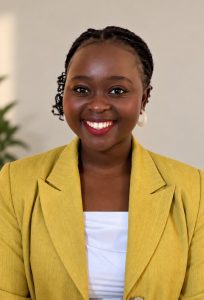
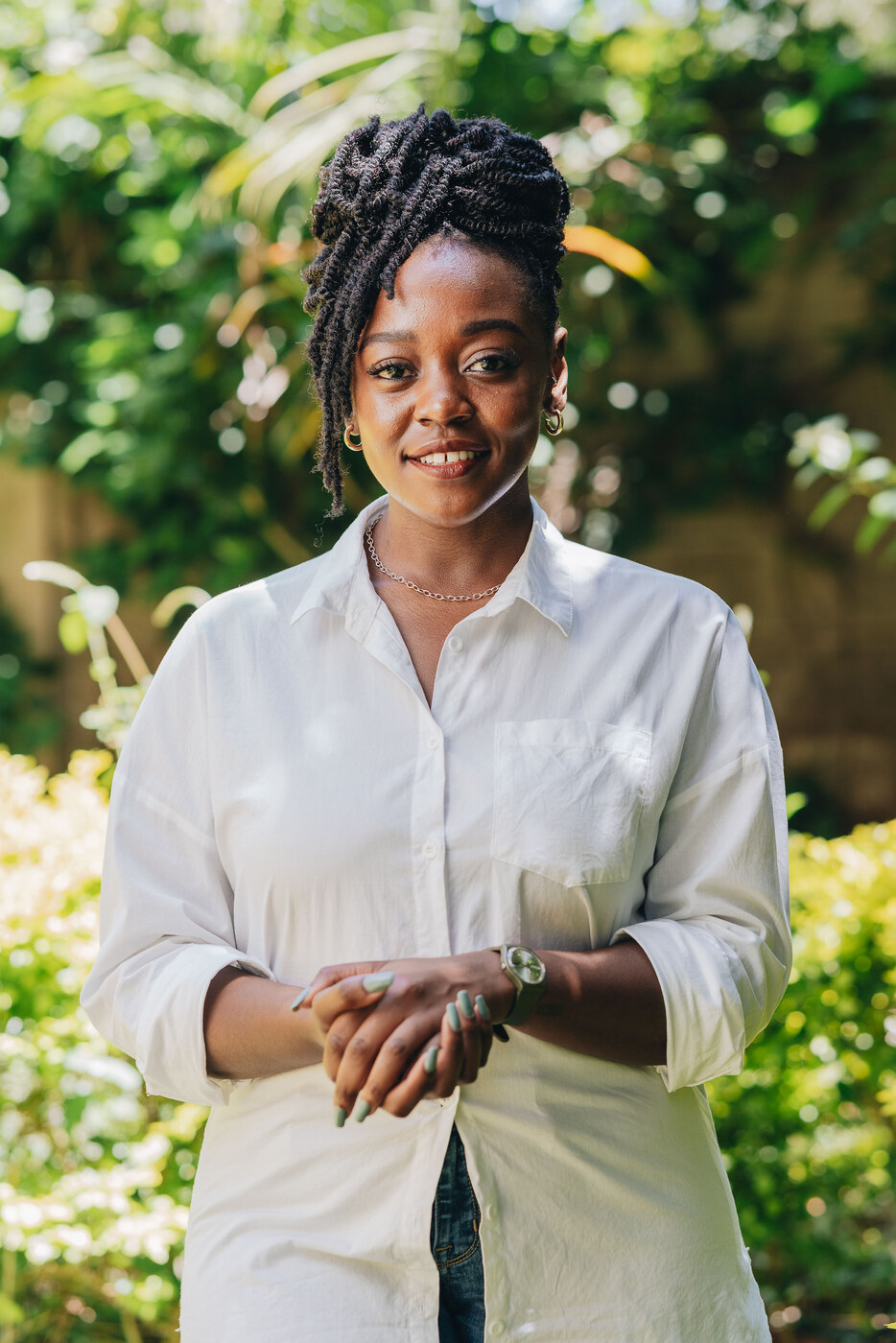
The first story I was told about Cape Town was that it was unlike anywhere else in Africa. It was full of wazungu but at the same time, it was called ‘The Mother City’. I was curious but unmoved, particularly because it was also described as expensive and deeply racist – a city reminiscent of South Africa’s apartheid history. That story extinguished any interest in visiting Cape Town until fate decided otherwise.
In October 2023, I was afforded the chance to visit Cape Town, and a colleague, Frances, who lives here, offered to show me around. She picked me up from the airport, and, in the few days we spent together as guide and visitor, she took me to a well-known bookshop in the city centre; we went for a wine-tasting and lunch in the Constantia suburb; and we spent one afternoon lounging by the ocean. Cape Town was both ethereal and odd, the latter largely when I found myself sticking out like a sore thumb in a few places we visited, where I questioned whether I was indeed in Africa. In between our leisurely activities, Frances told me about some of the less dreamy aspects of the city, but I only half listened to this. I was lost in the beauty of the city.
In the months after, I explored ways to plug into Cape Town, with a commitment to learning from and engaging with communities here. I was curious about what living in this city could be like, and about its potential to shape my thinking.
It was not until I was in conversation with an international master’s student that I learned about the Master of Philosophy in Inclusive Innovation programme at the UCT Graduate School of Business – a programme I would later enrol in after researching whether it could satisfy my appetite for learning and match my career aspirations. I was accepted into the programme in August 2025 and thereafter began pursuing scholarships that would support my master’s journey.
In December that year, I received the MINDS Scholarship and began planning my move from Nairobi to Cape Town.
—
Visiting and living in Cape Town are indeed two different experiences. For starters, finding a suitable, affordable place to live requires tact and effort in equal measure. I was fortunate to find an apartment through a referral, made possible by my persistent inquiries to people I had met and connected with previously. Next, I took time to explore the resources available at the business school and began mapping out ways to use the writing centre and career services. These have since helped me frame my research proposal on inclusive pathways to climate finance for grassroots women’s organisations and sketch the next decade of my professional growth as a climate practitioner and communications specialist. The school’s recurring research seminars have expanded my thinking about the complexity of systems and how to investigate different social challenges.
Beyond these, I have deepened my relationship with the bookshop I was introduced to on that first visit, and I have since been invited to moderate a session on marginalised citizens at their annual Open Book Festival. During the mid-year winter season, I took up hiking and was welcomed into a woman-led hiking group where I am continuously learning that group work can be effective with the right leadership.
I have joined running groups and taken part in community runs, such as the September solidarity run for women’s safety, organised by several Cape Town-based running groups in the aftermath of femicide cases in Johannesburg, including the murder of a woman while she was out on a run. The solidarity run took place on a Wednesday evening and drew over 250 people – both women and men; it started with a moment of silence for the lives lost, which held the grief and anger that such brutality brings, and was followed by a 5 km run. I ran and ran even when my lungs felt emptied. But I kept running because I was moving with community.
These activities have taught me that showing up, again and again, draws me towards my people.
Through my MPhil programme, I have been introduced to youth-focused innovation initiatives. Philippi Village in Philippi township invited some introspection on how we build spaces for youth innovation in informal settlements. RLabs in Mitchells Plain inspired hope around ways to offer dignified rehabilitation for youth wanting a way out of lives of drugs and crime. The Volmoed Youth Programme in Hermanus helped me see how ecumenical tenets and drum-making can be used to usher youth into self-directed livelihood pathways. Each of these programmes responds to the challenge of high unemployment in the country. More importantly, the practice adopted through my master’s journey has been that of reflexive journaling that requires paying attention to my thoughts and how I see the world around me.
Living in Cape Town has been a dream, but it has not entirely been dreamy, for which I am glad. Through school, the running groups, the bookshop and the youth programmes, I have been forced to check my privilege and biases. I have been introduced to the less touristy side of Cape Town, which has been uncomfortable to see, especially as I have been slowly learning about the painful economic divide and intentional segregation of spaces along racial and economic lines.
But I have also come to know, support and appreciate Black-owned, values-driven businesses in the city. They range from small independent bookshops like Surplus Radical Books to media houses like Chimurenga Factory, known for its seasonal pan-African gazettes, to women-owned restaurants that boast South African flavours and Sunday culture, like Seven Colours Eatery. I was even fortunate to visit the Klein Goederust wine estate, which is notably the first 100% Black-owned winery in the Franschhoek Valley. Moving through Cape Town has required curiosity, listening, reflection and a daring spirit. It has required balance, which is ultimately what the MINDS Scholarship asked of me when it named cultural immersion as the purpose of my move.
The story of Cape Town I would now tell to Africans thinking of coming here for school is one of questions. Are you open to exploring beyond your comfort zone to find communities you can support? To doing something that allows you to experience the vibrancy of being young in a different country? To confronting realities of race and marginalisation? To choosing a programme that asks you to consider how you can lead in your field of choice? It is also worth knowing that this is a fairly expensive African city, though one that can challenge the way you think about acquiring and spending money.
Natalie Sifuma bio
Natalie Sifuma is a climate practitioner and communications strategist with 10 years of experience researching, writing and building systems in the development sector. She helps nonprofits, social enterprises, and values-driven businesses turn complex issues into clear narratives, and supports funders and philanthropies with due diligence on the individuals and organisations they are considering backing. She is completing an MPhil in Inclusive Innovation at the UCT Graduate School of Business under the MINDS Scholarship, and splits her time between Kenya and South Africa.