




“Genuine equality means not treating everyone the same, but attending equally to everyone’s different needs.” – Terry Eagleton

Philip Gama
A few years ago, I was part of a research team implementing a women empowerment project in Dedza district, central Malawi. The study sought to understand what happens to household power dynamics when women are directly resourced. It was not theoretical. It was practical, deliberate, and closely observed over six months. The community was matrilineal. When a man marries, he relocates to his wife’s village. He is referred to as Mkamwini, which can be literally translated as “someone’s child.” Land lineage follows the woman’s side of the family. On paper, such systems are often described as placing women at the centre of social organization.
In this project, selected women received an unconditional cash transfer of K500,000 per month, approximately 400 US dollars at the time. The money came with no conditions. Our role was simple: observe what women would do with the resources, and how household relationships would respond.
What unfolded was complex. Many women invested in small businesses, improved their homes, paid school fees, and strengthened household consumption. Financial activity increased. Decision-making patterns began to shift. Women who previously depended on their husbands for income suddenly had purchasing power. But something else also happened. Some men expressed discomfort. A recurring complaint emerged: “We are no longer being respected.” In several cases, marriages ended during the six-month period.
The introduction of independent financial power altered not only economic behaviour but relational authority, identity, and negotiation space within households. The findings were neither simplistic nor ideological. They were revealing. The study did not suggest that women should not be economically empowered. Rather, it demonstrated how deeply empowerment interacts with culture, identity, and embedded social norms. What appeared to be a straightforward economic intervention exposed layers of relational power that policy design often underestimates.
This experience forced a deeper reflection: equality in the sense of distributing resources does not automatically translate into justice. Redistribution can destabilize systems when surrounding structures remain unchanged. In Dedza, the community was matrilineal. Yet economic power still carried symbolic weight. Masculinity, respect, and authority were not erased by lineage patterns; they were negotiated daily. The cash transfers did not create inequality. They revealed underlying tensions that had long existed but were less visible. And therein lies a broader lesson.
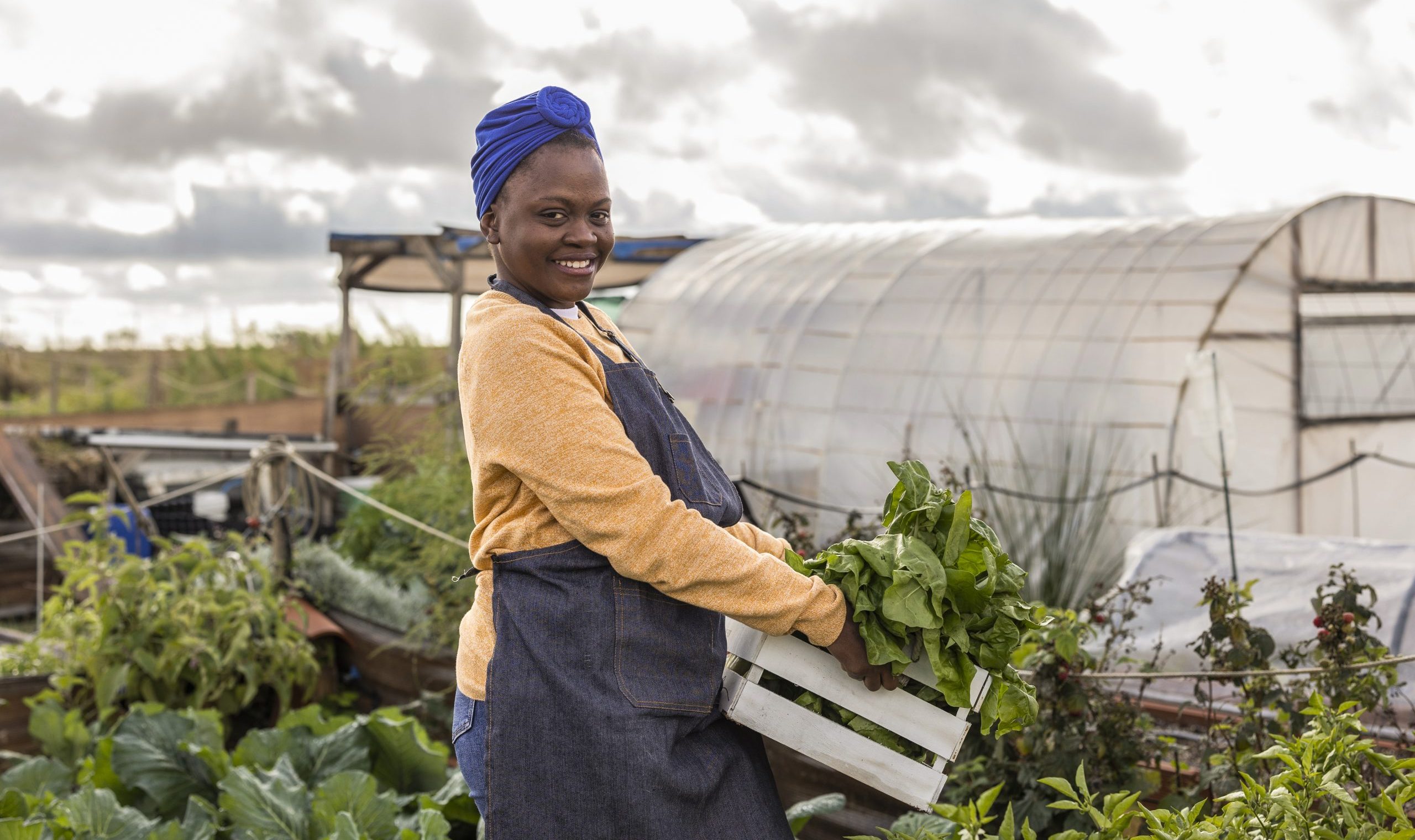
Across African societies, social justice is frequently framed in terms of equal access: equal funding, equal subsidies, equal opportunity. But systems are rarely neutral. Culture shapes land rights while informal norms shape who speaks in community meetings and who remains silent. A policy can be equal on paper and unequal in effect. For social justice, there has to be reformation and transformation.
Philosophical Foundations: Ubuntu and Relational Justice
In many African traditions, justice is not simply about identical treatment. Philosophies such as Ubuntu (I am because we are)frame justice as relational. It is about restoring balance, protecting dignity, and sustaining communal harmony. Justice, in this lens, is not isolated punishment or transactional fairness. It is reconciliation, repair, and shared flourishing. Traditional restorative practices often involve victims, offenders, elders, and community members seeking to mend broken relationships rather than impose abstract equality.
Post-apartheid South Africa’s Truth and Reconciliation Commission reflected this relational orientation. Truth-telling and acknowledgment were prioritized to rebuild a fractured national community. This contrasts with strictly individualistic models that focus on equal inputs without examining how systems absorb change.
In African contexts, justice must account for interdependence. It must ask not only whether resources are equally distributed, but whether relationships, histories, and structural realities are acknowledged. Equality distributes resources while Justice examines the rules of the game.
In Policies and Systems: Equity Beyond Uniform Redistribution
Across the continent, policymakers increasingly recognize that uniform rules can perpetuate inequality. Land reforms in countries such as Malawi and Sierra Leone attempt to protect communal tenure while challenging discriminatory practices, particularly for women. In matrilineal areas, reforms seek to strengthen inheritance rights amid evolving patriarchal overlays. The goal is not to erase custom, but to align it with fairness.
Social protection programs provide another example. Malawi’s Social Cash Transfer Programme targets ultra-poor, labour-constrained households and has improved schooling, nutrition, and household welfare particularly among female-headed households. These interventions demonstrate that targeted redistribution can address structural poverty. Yet impact depends on context. Uniform agricultural subsidies, for instance, do not account for variations in soil fertility, land size, market access, or information asymmetries.

Smallholder farmers who produce the majority of food in many African countries often remain disadvantaged despite equal program eligibility. In education, universal rights are declared, yet rural schools frequently face overcrowded classrooms, weak infrastructure, and limited materials. Access exists while Equity does not. Wealth compounds opportunity while Poverty compounds exclusion.
Justice, therefore, requires structural awareness. It must ask: who benefits from existing institutional design? Whose realities shape policy assumptions? Who absorbs the shocks when reforms are introduced?
In Everyday Life: Where Justice Is Lived Beyond policy frameworks, justice unfolds in daily life. It appears in mutual aid during hardship, in elder-mediated conflict resolution, in communal labour and shared responsibility.
These practices reflect Ubuntu’s emphasis on interdependence. Yet everyday life also reveals fault lines. Patriarchal norms, economic stress, and generational shifts can strain communal bonds. Empowerment initiatives that ignore these relational dynamics risk unintended consequences, not because empowerment is misguided, but because power shifts reshape identity and authority.
The Dedza experience offered a microcosm of this reality. Empowerment strengthened material conditions, but it also reconfigured relational expectations. It exposed how deeply economic resources are tied to respect, identity, and perceived legitimacy within households. Justice is not merely about who receives resources. It is about how systems; cultural, institutional, and relational, respond when power shifts.
Toward relational and structural justice beyond equality lies a more demanding project: redesigning institutions so that empowerment strengthens relationships rather than fractures them, and opportunities flows through structures that are fair, not merely uniform.
In African contexts, social justice must be relational and structural. It must recognize cultural architecture as institutional infrastructure. It must integrate historical awareness, inclusive policy design, and continuous reflection on invisible norms. Hybrid legal systems, community dialogue, targeted redistribution, and participatory governance are not ideological preferences. They are practical necessities in societies shaped by layered inequality and interdependence.
Ultimately, justice in African systems is not a mathematical formula of sameness. It is a living negotiation of dignity, power, and shared flourishing. It demands more than equal inputs. It requires structural fairness, relational harmony, and the courage to redesign the rules that quietly determine who thrive and who merely survive. Genuine equality, as Terry Eagleton notes, is about attending to everyone’s different needs. In African societies, this requires a justice that is relational, structural, and rooted in lived realities. Beyond equality, then, lies transformation.
Written by Philip Gama