“They who adorn themselves know that they are about to dance.”
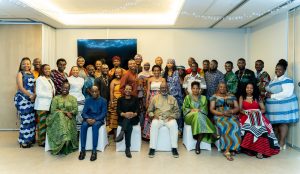
The line came towards the end of our week in Swakopmund, but seemed to gather everything before it: leadership, power, self-mastery, belonging, and what we carry into different rooms: our assumptions, allies, blind spots, little trinkets of confidence, and the moves we make before the music starts.
It turns out there is quite a lot to examine before anyone gets to dance.
Leadership itself was recast as a game of chess. Know your allies. Understand the politics. Think about the moves you make and why you make them.
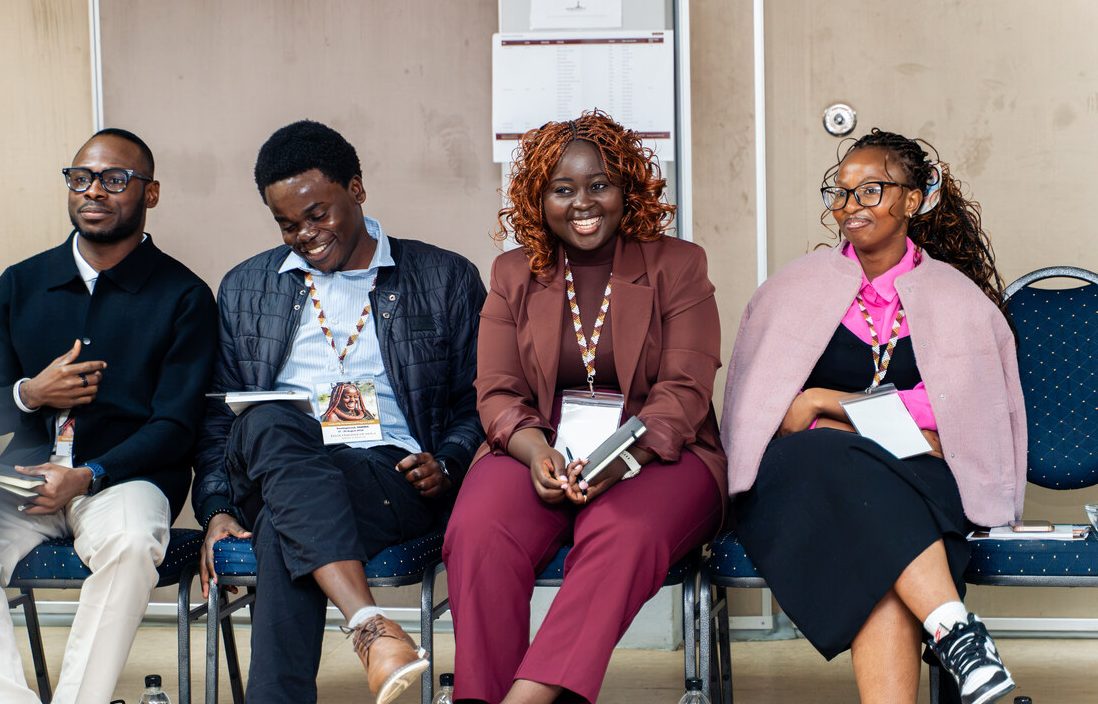
Then came an iceberg.
Most of what makes us tick, we were reminded, sits below the surface. Beneath visible behaviour are thoughts, feelings, values, beliefs and needs, often shaping us before we’re conscious of them. The harder question was how we could lead others without becoming more aware of what was driving us.
Self-mastery has an uncomfortable limit: the mirror only shows what you know to look for. As an engineer, I find that deeply inconvenient. I prefer problems with variables, failure points and an operating manual within reach. Unfortunately, the human version remains stubbornly unpublished.
What we did get were archetypes.
The child, the prostitute, the saboteur and the victim were introduced as patterns we might recognise in ourselves. Nobody escaped without wincing at least once. And if you recognised none of the four, that’s probably the saboteur talking.
What I enjoyed most was how little these conversations respected the programme schedule. A facilitated discussion would end, but the question wouldn’t. We carried them to dinner and all the way to the beach, still unpacking them while watching the sunset.
The questions kept widening. We started with the person, but eventually had to look at the rooms that person walks into.
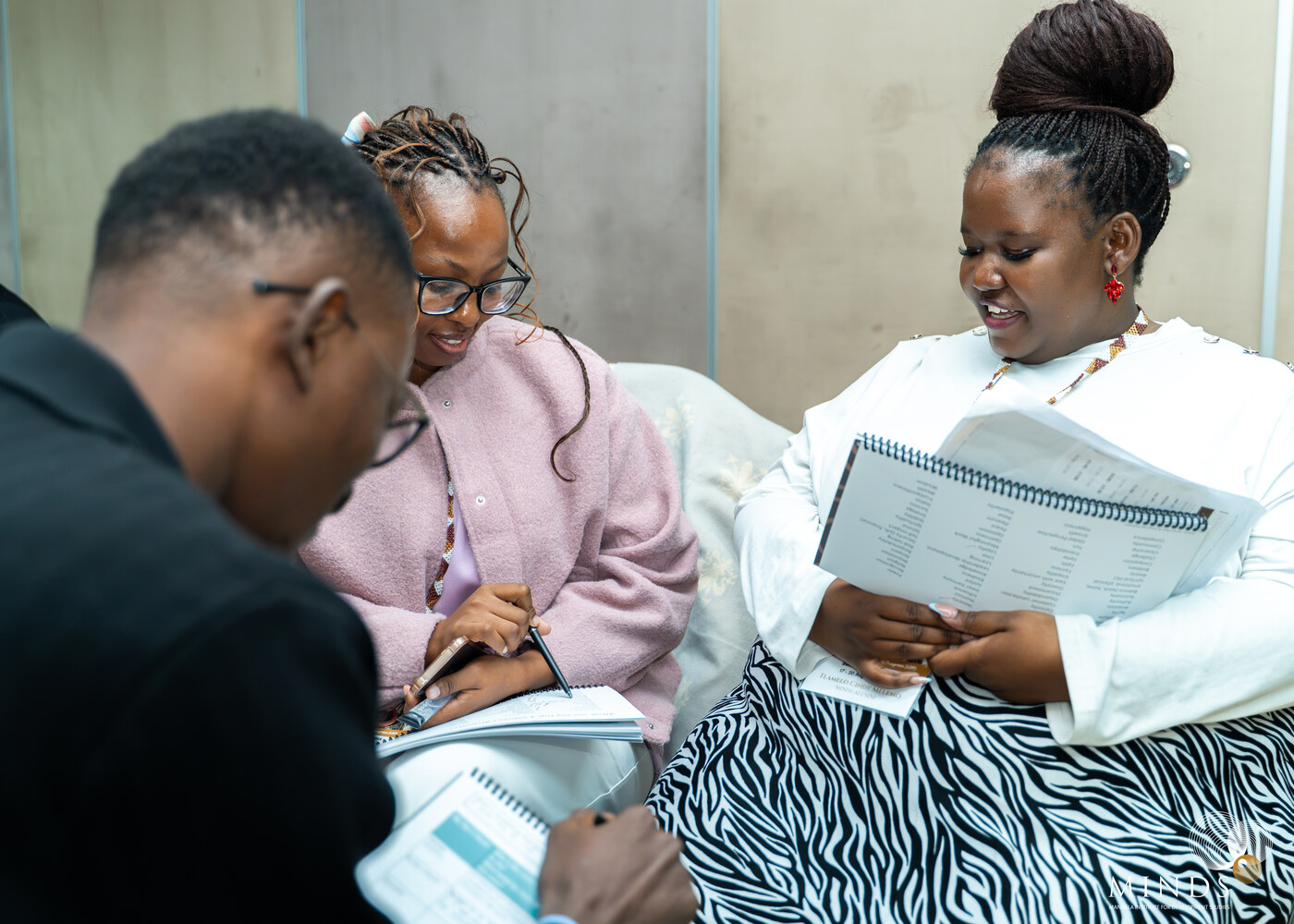
Politics was one of those rooms.
It became influence and relationships, but also institutions, borders and who or what gets to move across them. From migration and xenophobia to the difficulty of moving capital across Africa, movement became more than geography. People, money and opportunity cross the same continent with very different degrees of ease. What does it take for an African to cross into another African country and still feel they belong there?
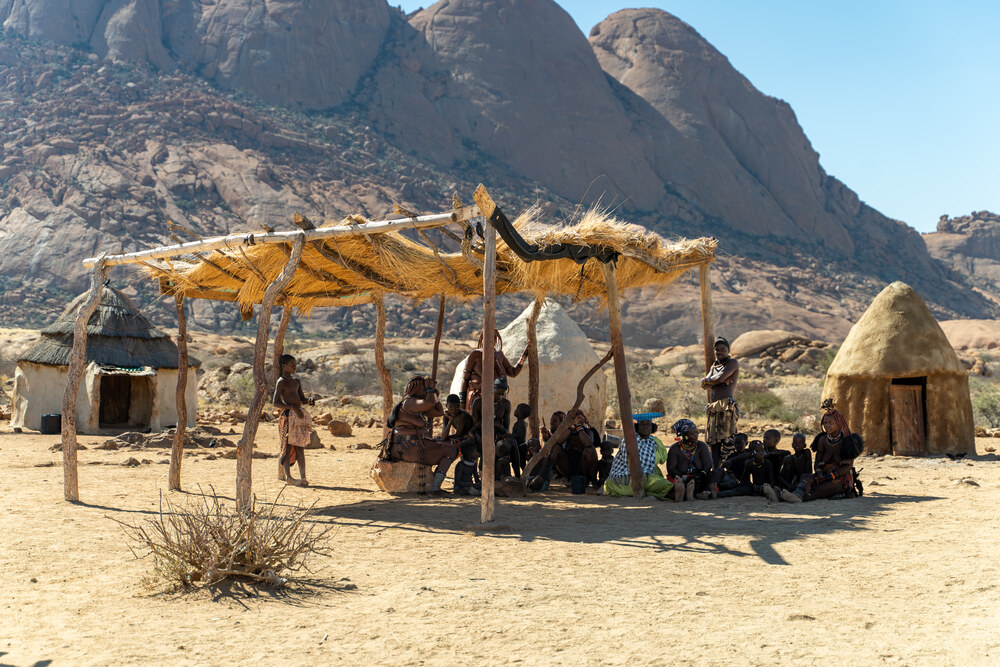
A visit to a Himba community gave the question another shape. A life organised around livestock, water, grazing land and movement made our conversations about mobility and belonging suddenly less abstract.
Ambition got its turn too.
We watched young Africans pitch businesses at different stages of becoming. I had submitted my very first project to OpenAI Build Week just weeks before the leadership programme, so naturally imposter syndrome had moved into my head, put its feet up and started rearranging the furniture.
However, there was something reassuring about watching people stand beside ideas still taking shape, admit what they did not know and keep going anyway. Perhaps confidence looks less like certainty and more like being willing to show your working.
I left Swakopmund with fewer neat answers than I expected, but with better questions and a slightly more suspicious relationship with my own certainty.
Somewhere in my head, the saboteur is already drafting a shorter, tidier version of this article and calling it self-aware enough.
I’m not sending that one.