A Journey Rooted in Pan-African Leadership
What does it take to prepare a new generation of African leaders?
At the Mandela Institute for Development Studies (MINDS), we believe leadership begins with a broader understanding of Africa. It grows through exposure, dialogue, collaboration, and a commitment to the continent’s development.
MINDS’ Scholarship Program for Leadership Development was launched in 2017, creating opportunities for young Africans to pursue postgraduate studies in another African country while developing a pan-African outlook. Since then, the program has received over 18,000 applications and awarded scholarships to scholars from more than 20 countries.
But academic mobility alone does not create a Pan-African leader. That is the purpose of the Leadership Development Program (LDP), which has evolved significantly since its first cohort in 2019 — and whose journey reflects our growing understanding of what it takes to prepare leaders for Africa’s complex and interconnected challenges.
2017–2018: Building the Foundations of a Continental Vision
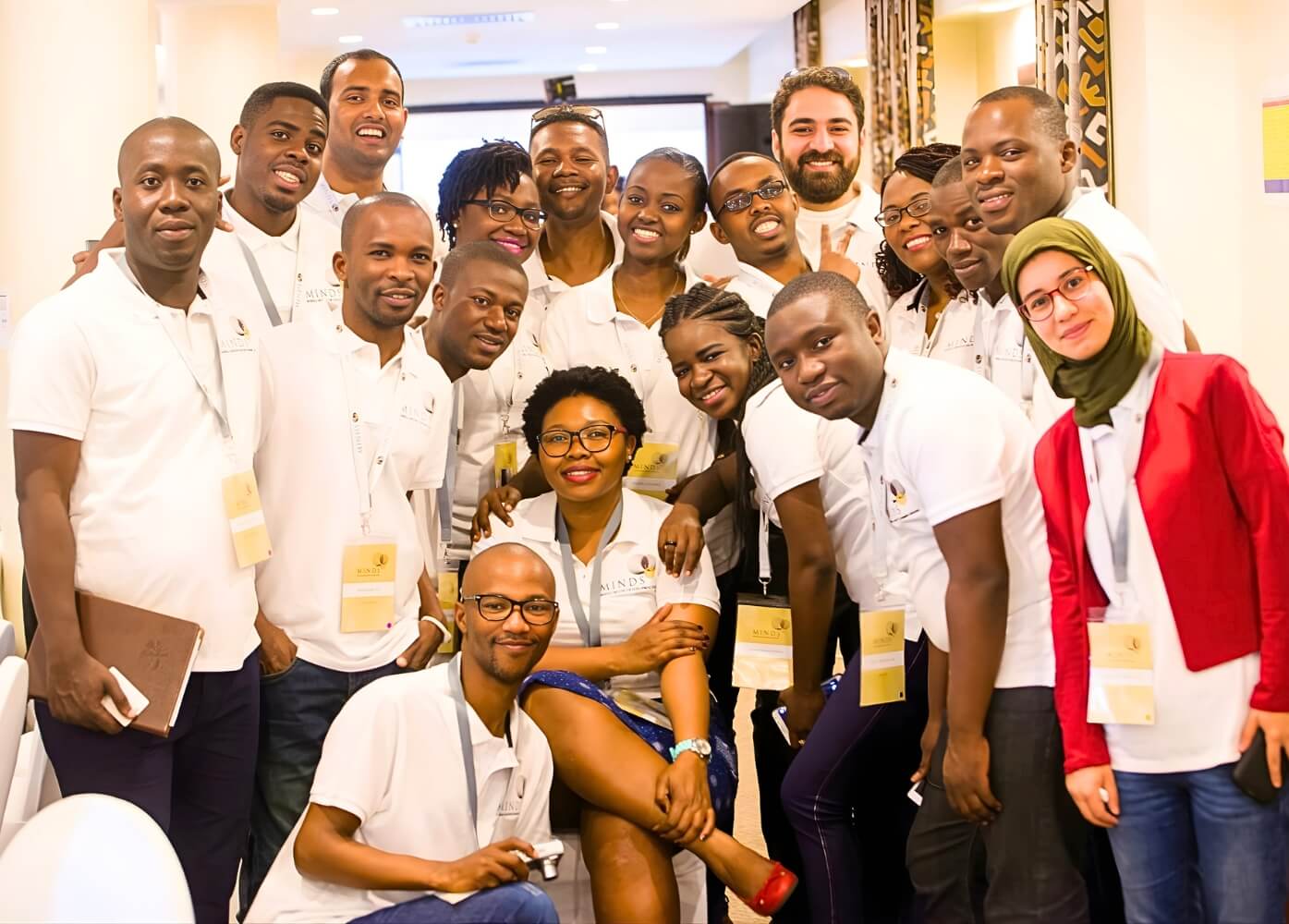
The scholarship program’s purpose was clear from the start: support promising African students pursuing postgraduate studies outside their home countries. This approach went beyond academic advancement — it encouraged scholars to experience different African societies, institutions, and perspectives.
The underlying belief was simple. Africa’s development requires leaders who understand the continent beyond their national borders. By promoting academic mobility, MINDS created opportunities for young Africans to build relationships across countries — connections that would become an important foundation for future collaboration.
2019: Laying the Foundation
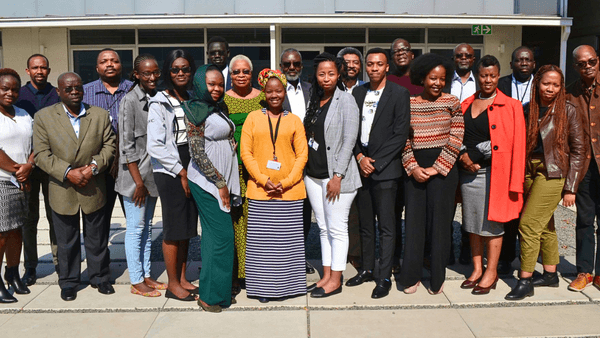
The inaugural Scholarship Leadership Development Program took place in Honeydew, Johannesburg, South Africa, from 5–9 August 2019. Nine scholars from seven countries came together to explore Pan-Africanism and African identity, economic integration and regional cooperation, youth participation in governance, leadership skills and personal development, and nation-building and societal change.
Led by Professor Sabelo J. Ndlovu-Gatsheni, the program established an important principle. As Mrs Graça Machel reminded scholars, leadership development is a lifelong process, not a single training event.
These themes reflected MINDS’ belief that effective leadership requires more than professional expertise — it also requires an understanding of Africa’s shared challenges and opportunities. The inaugural training helped establish leadership development as a more deliberate and structured part of the MINDS scholar experience.
2020–2021: Adapting Through a Pandemic
COVID-19 disrupted the planned residential program in 2020. MINDS responded by moving activities online and revising the core LDP manual, reinforcing that leadership development is not a one-time experience — it requires continuous learning, reflection, and engagement with different ideas.
The team also introduced the 7 Fundamental Skills webinar series. In 2021, preparations for a mentorship program and further webinars helped sustain the leadership development journey, keeping scholars connected to their roles in addressing Africa’s development challenges even in the absence of in-person gatherings.
2022: Expanding the Program’s Regional Reach
The LDP returned to in-person learning in Accra, Ghana, from 30 August to 1 September 2022, extending the programme’s reach into West Africa. Thirty-seven scholars from 20 countries participated.
This cohort introduced neuroscience-informed leadership, exploring concepts such as threat responses, mirror neurons, and psychological safety. An entrepreneurial panel also connected scholars with practical insights from African business leaders, and Mawuli Dake stepped in as facilitator, a role he would continue through 2024.
Africa’s regions have distinct histories, institutions, and development experiences, and bringing these perspectives together enriches conversations about the continent’s future. For MINDS, the Ghana expansion represented another step towards building a more connected community of African leaders.
2023: Finding Value in Virtual Engagement
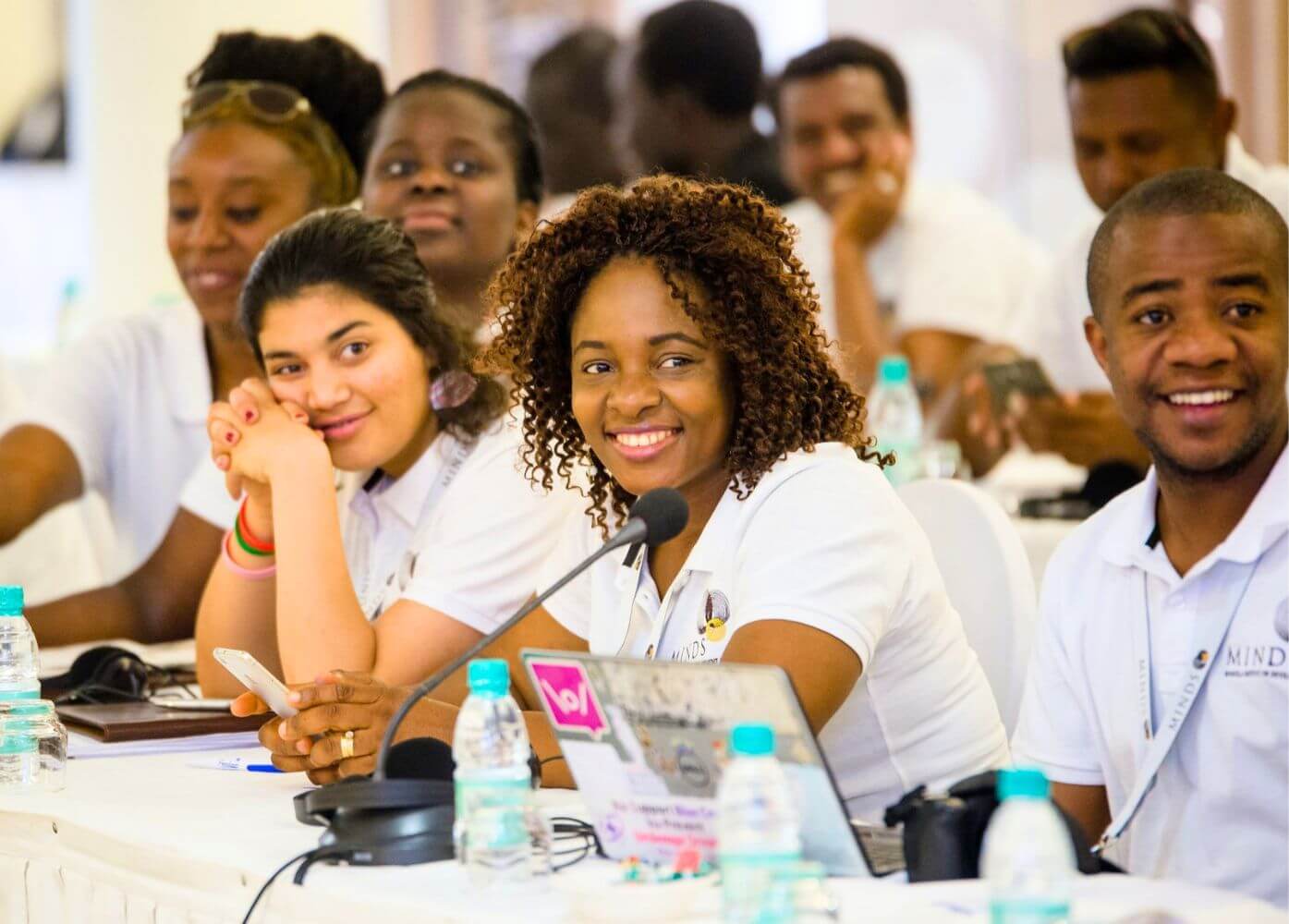
In 2023, the LDP was delivered virtually to 38 scholars from 17 countries. Although the planned in-person session did not take place, the year still created opportunities for leadership engagement: scholars undertook their own 90-minute Mandela Day community projects, and a reflective gathering in Nairobi gave them the chance to discuss their experiences directly with Mrs Graça Machel.
2024: Deepening Historical and Continental Perspectives
In Dar es Salaam, Tanzania, 27 scholars and alumni from 15 countries explored pre-colonial African governance and different understandings of Pan-Africanism. The discussions encouraged scholars to examine leadership through both historical and contemporary perspectives, and participants identified digital-age leadership, climate, and conflict management as areas requiring further attention.
2025: Connecting Leadership to Impact in Cairo
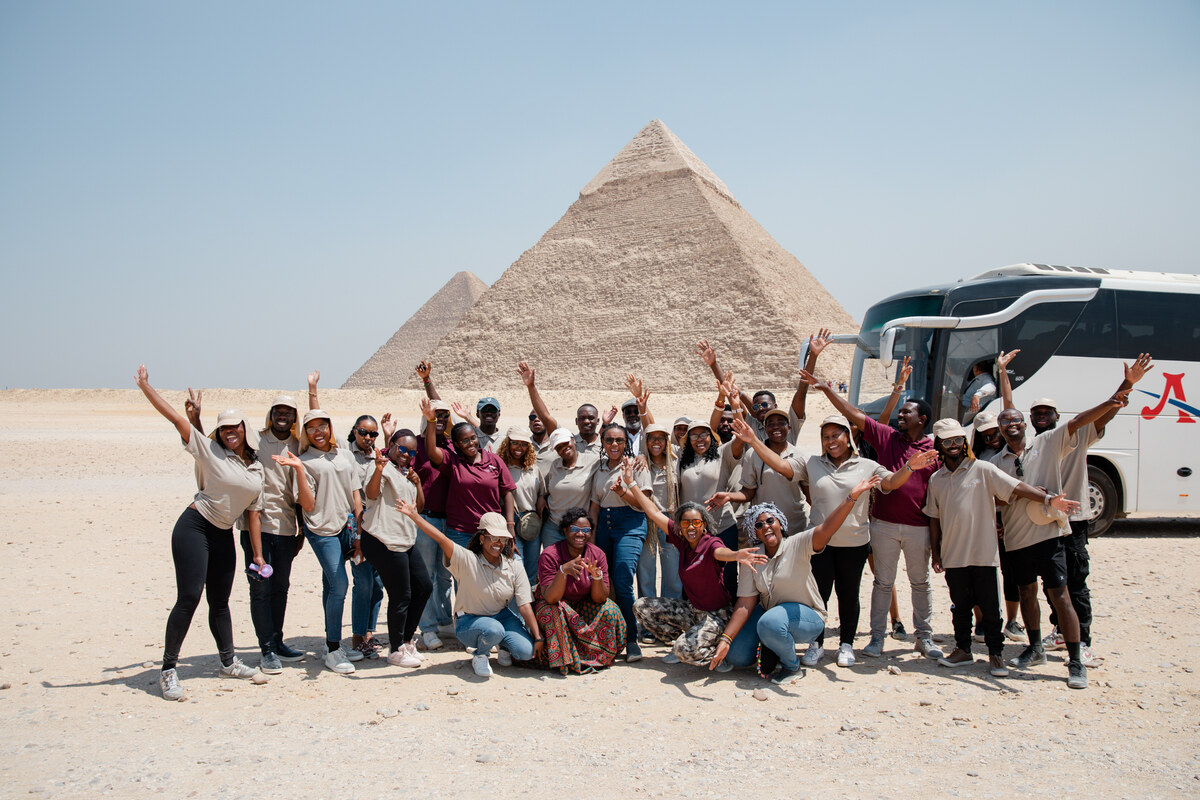
In 2025, MINDS delivered its Leadership Development Program in Cairo, Egypt, under the theme Pan-African Leadership for Impact and Innovation. The program’s presence in North Africa added a new dimension to its continental approach, bringing together perspectives from different parts of the continent and engaging Africa’s diverse intellectual, cultural, and institutional traditions.
The curriculum expanded to cover historical context, vision, governance, communication, and conflict resolution. Scholars concluded with presentations on innovation, gender-responsive leadership, and African integration, and each group developed and discussed a practical regional initiative — linking leadership concepts to real-world challenges.
2026: Creating Space for Critical Dialogue in Namibia
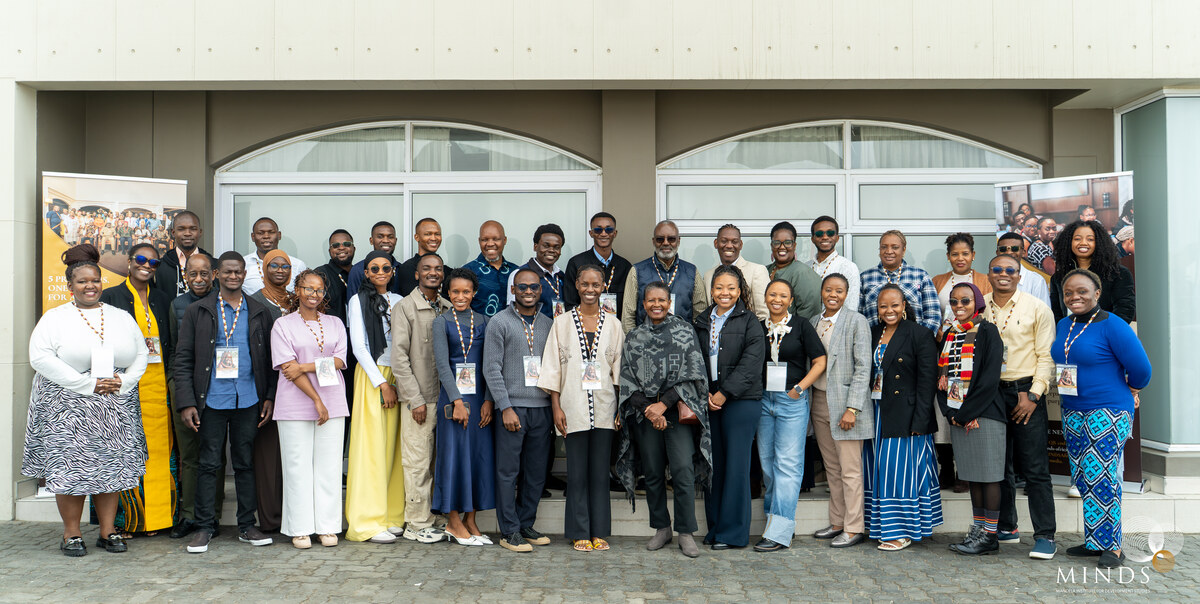
In Swakopmund, Namibia, 24 delegates from more than 11 countries engaged with Rachel Nyaradzo Adams’ neuroscience-informed leadership model. A debate about technical and adaptive leadership became a defining moment of the cohort — rather than avoiding disagreement, the program created space for scholars to question established frameworks.
The cohort also pitched real ventures to an investor panel, and each scholar left with a named mentorship commitment. At the same time, conflict management remained an outstanding priority, reflecting the importance of aligning curriculum ambitions with available time.
Beyond the Training Room: Building a Lasting Community
One of the most important developments in the MINDS leadership journey has been the growing emphasis on alumni engagement. Leadership development does not end when a scholar completes their studies or attends a training program — the relationships, knowledge, and commitments built through these experiences continue to shape future contributions.
The MINDS Alumni Network provides a platform for graduates to remain connected, bringing together alumni from different MINDS programs across Africa and the diaspora. Through structured engagement and cross-border collaboration, the network supports continued knowledge exchange and creates opportunities for alumni to collaborate and strengthen African leadership ecosystems. This reflects an important principle: leadership is sustained through community, shared learning, and continued engagement.
A Journey Still in Progress
The evolution of the LDP has not been linear. It has included cancellations, virtual adaptations, new learning approaches, and expanding opportunities for collaboration. What has remained constant is the belief that leadership is a lifelong process. What has changed is the depth of engagement: in 2019, scholars explored what it meant to be a MINDS leader; by 2026, they were confidently challenging the ideas presented to them.
That shift captures the essence of the LDP’s evolution. MINDS is not simply delivering leadership training — it is creating spaces where African leaders can think critically, build connections, and develop the confidence to shape the continent’s future.
What the Journey Has Taught Us
Looking back, several lessons stand out.
First, leadership development must be grounded in a continental perspective. African challenges often extend beyond national borders, and leaders need opportunities to understand different contexts and build meaningful connections across the continent.
Second, academic excellence and leadership development must complement each other. Education provides knowledge and expertise; leadership development helps scholars reflect on how to apply that knowledge to broader societal challenges.
Third, meaningful connections are central to lasting impact. The relationships formed through MINDS programmes support collaboration long after formal activities have ended.
Finally, leadership development must remain responsive to Africa’s changing needs. As the continent evolves, leadership programmes must create space for new ideas, diverse perspectives, and emerging challenges.
Looking Ahead: Growing the Vision
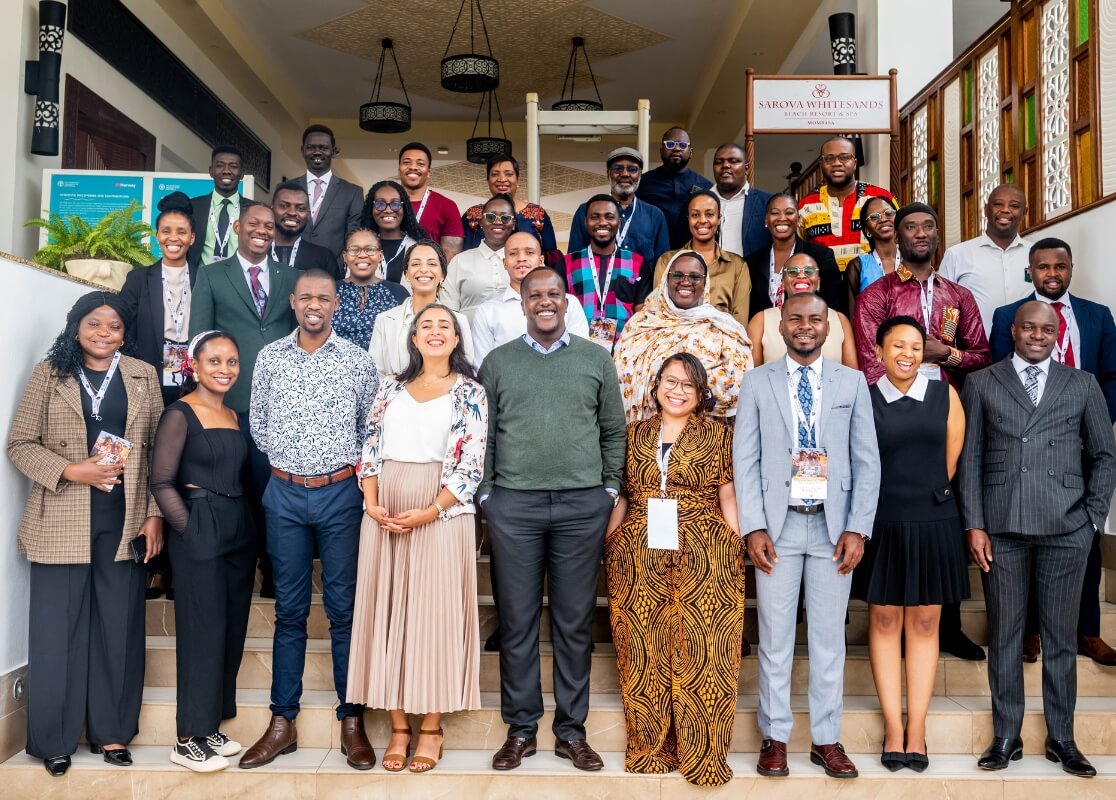
The evolution of the MINDS Leadership Development Program reflects an ongoing commitment to nurturing African leaders. From its foundations in the scholarship programme to dedicated leadership training and broader regional engagement — Johannesburg, Accra, Nairobi (virtually), Dar es Salaam, Cairo, and Swakopmund — the journey has created opportunities for young Africans to learn, connect, and develop a deeper sense of responsibility towards the continent.
The next phase calls for continued reflection and innovation: how MINDS can strengthen its scholars’ leadership capabilities, deepen connections within its alumni community, and build stronger links between leadership development, African cooperation, and practical contributions to society.
As we look ahead, our commitment remains clear: to support a generation of African leaders who understand the continent, value its diversity, and recognise the importance of working together. The journey that began with a vision for pan-African academic mobility continues to evolve. At its heart is a lasting belief that Africans can shape Africa’s future when equipped, connected, and committed to its development.
The journey continues, with each cohort contributing to a growing community of Pan-African leaders.