From mentoring students and restoring wetlands to supporting food security and healthcare access, MINDS Scholars transformed Mandela Day’s call to service into meaningful action.
Mandela Day asks a simple but important question: how can we use our time, skills and resources to serve others?
This year, 16 MINDS Scholars answered through action. Across Eswatini, South Africa and Zambia—and through an online initiative reaching students in Malawi—they contributed to education, food security, menstrual dignity, environmental restoration, healthcare access and community connection.
Opening doors through education and mentorship
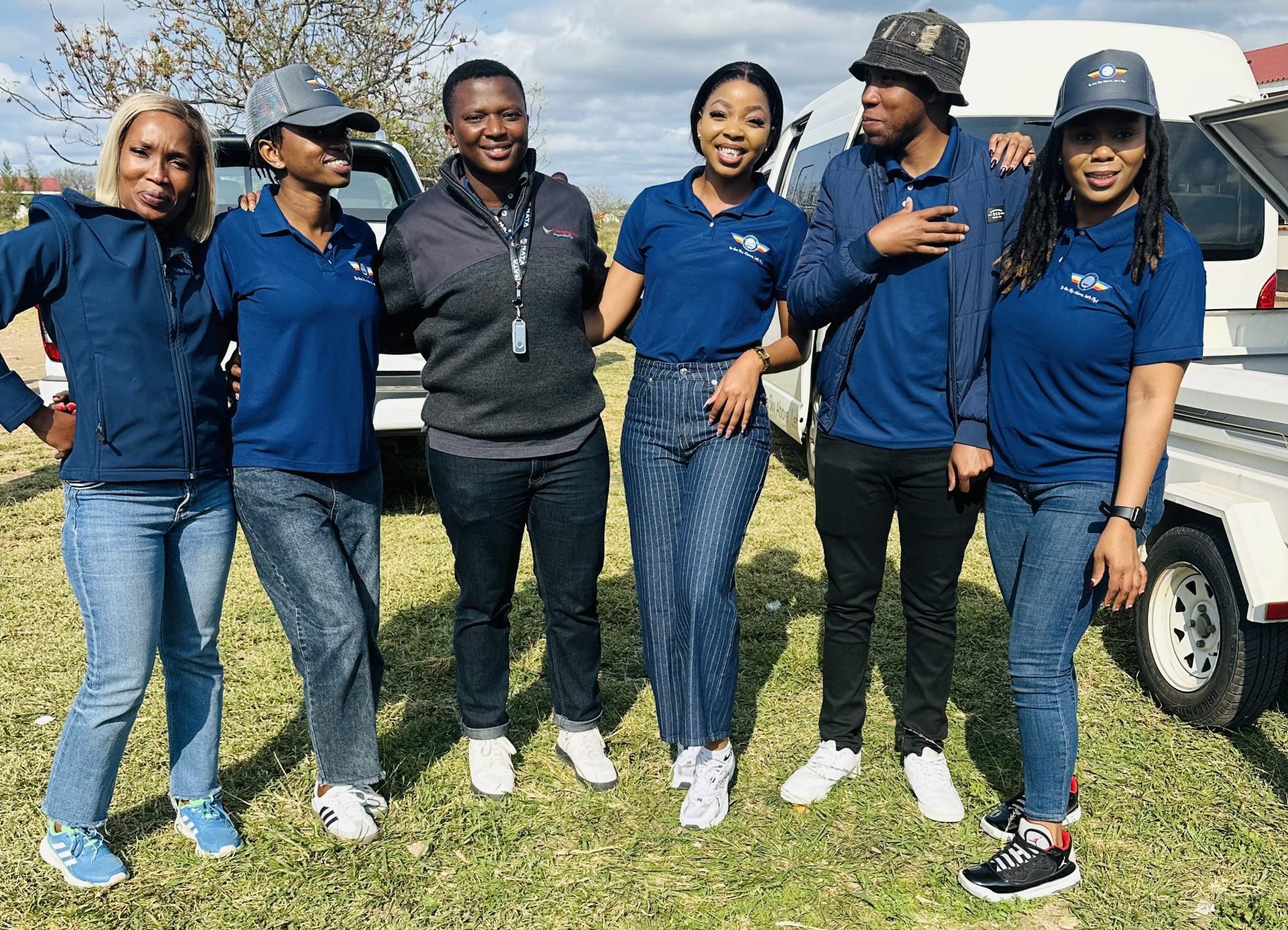
In Eswatini, Zandile Sibandze participated in the Eswatini Civil Aviation Authority’s Career Awareness Outreach Programme, combined with a Period Dignity initiative. Through the programme, she introduced students to career opportunities in aviation and encouraged young women to see themselves in science, technology, engineering and mathematics.
At UCT, Tshilembi Crescens Katerus volunteered through the Ubunye Outreach programme. In addition to tutoring final-year secondary school learners in English, Life Sciences and Afrikaans, Tshilembi helped students complete university applications. For learners who may view higher education as financially or practically out of reach, access to the right information can make the difference between uncertainty and opportunity.
Ngwakutemwa Sibale used digital platforms to extend her service across borders. She hosted an online mentoring session for more than 60 University of Malawi students, teaching them how to develop strong CVs despite having limited work experience. The session helped students recognise the skills they already possess and approach future employment and internship applications with greater confidence.
Gracious Nyathi supported the documentation of UCT’s Nelson Mandela Month commemorations. By assisting the communications team, she helped preserve and share important conversations about Mandela’s contribution to leadership in Africa.
Supporting food security and human dignity
Several scholars chose to support organisations addressing food insecurity and the immediate needs of vulnerable communities.
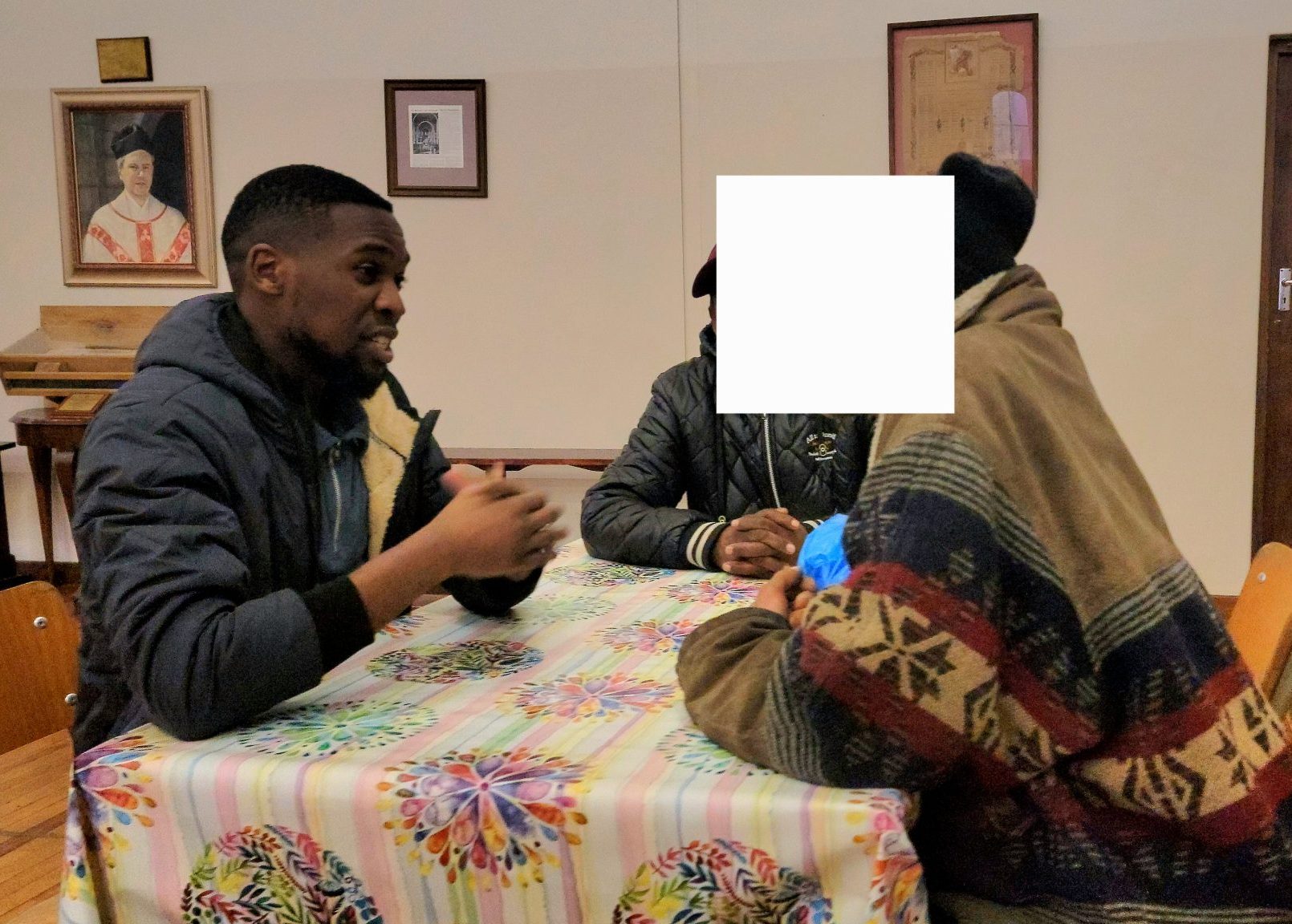
At the Old Pasta House in Observatory, Andrew Mofolo helped prepare the dining area, serve meals and clean the venue. He also offered health education and supportive one-on-one conversations to community members, helping create an environment in which people felt welcomed and cared for.
Felix Omondi Ochola and David Andai volunteered with Obs Can Feed You. Felix donated oats, packed nutritious meal parcels and helped serve meals, while David supported food distribution. Their contributions demonstrated how collective action can turn individual donations and a few hours of service into meaningful community support.
Through FoodForward SA, Jacqueline Ndindi-Chiwaya labelled, packed and prepared donated food items for distribution. Her 67 minutes of service formed part of a much larger volunteer effort that transformed donated supplies into food packages for families and communities in need.
Tefo David Ntsane distributed food parcels to students at UCT, helping ensure that students experiencing food insecurity felt supported and cared for.
Recognising that dignity also includes access to essential menstrual-health products, Yenzokuhle Shongwe donated 16 packs of sanitary pads to students and staff members in her residence. The products were distributed privately, ensuring that recipients were supported with sensitivity and respect.
Creating greener and more inclusive public spaces
Environmental service also formed an important part of the scholars’ Mandela Day activities.
Alexander Chibayo volunteered with Friends of the Liesbeek, helping restore the Liesbeek wetlands by clearing litter, removing invasive plants and planting indigenous species. The work contributes to biodiversity, strengthens wildlife habitats and supports the wetland’s ability to manage flood risk.
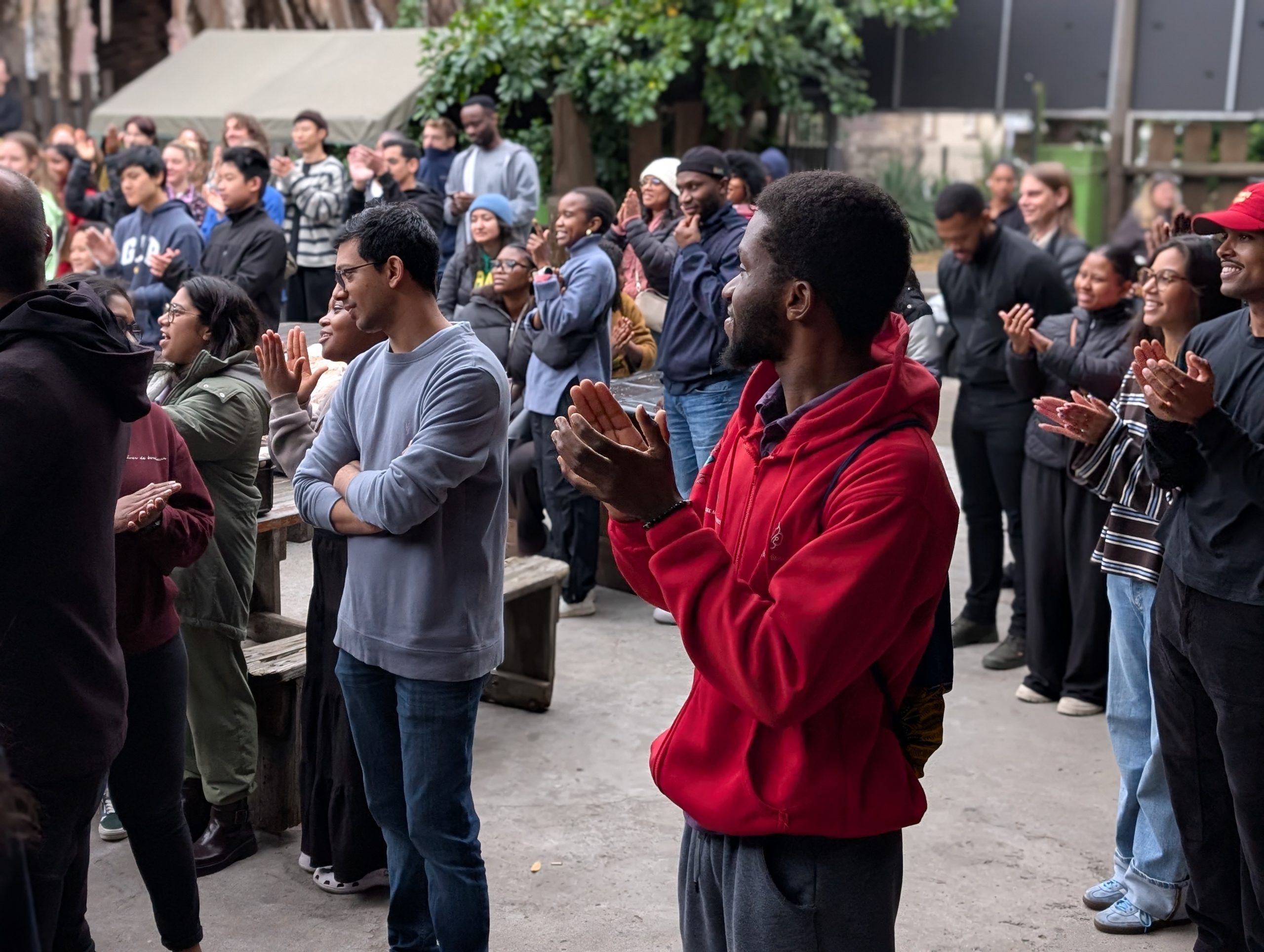
Melisa Muchiri and Generosa Mwanyangapo participated in community activities along Bree Street in Cape Town. Melisa supported the Mandela Day Langtafel through Young Urbanists, helping to set up the communal table and pack and distribute food. She later joined a greening activity that involved planting resilient South African succulents along the street.
Generosa participated in the Green Squad’s activation with Mission for Inner City Cape Town, planting succulents to help create greener and more welcoming public spaces. She also supported the Inner City Daisy initiative, which used the daisy as a symbol of hope, joy and optimism.
Their participation demonstrated how public spaces can bring people together, support inclusion and help communities imagine cities designed for everyone.
Strengthening connection, care and community systems
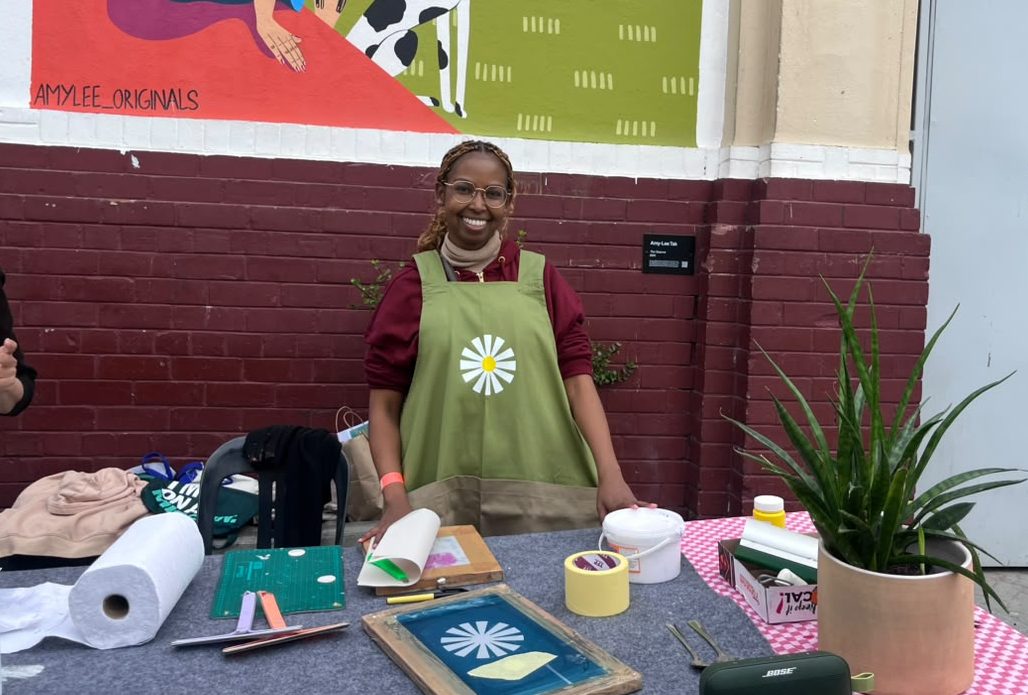
For Natalie Sifuma, Mandela Day created an opportunity to strengthen relationships across generations. In partnership with the Open Book Festival and storyteller Stella Hertantyo, she developed Tea with Our Living Ancestors, an intergenerational workshop hosted at Bertha House.
The gathering brought together 20 participants and invited young people to share tea with an older person whose stories, wisdom and lived experiences they valued. Through intentional conversation and remembrance, the workshop celebrated personal histories and strengthened connections between generations.
In Lusaka, Sheena Tomaida Lungu supported St Raphael Primary School’s annual sports day, which brought together close to 200 learners. She helped organise races, determine placings, support children between activities and cheer them on throughout the day. Her experience was a reminder that service is often about being present and responding wherever help is needed.
Also in Lusaka, Sheba Mukuka Helen Shabolyo volunteered with Tiny Tim and Friends, an organisation working to improve healthcare access for families affected by HIV. She developed feedback forms for clients and community health workers after consulting with the organisation’s director, engaging health workers and researching barriers to healthcare.
The forms will help the organisation monitor service delivery, understand community experiences and present meaningful information to potential funders. Her contribution shows that professional and research skills can also be powerful tools for community service.
Beyond 67 minutes
Some scholars volunteered for 67 minutes, while others contributed several hours or continued initiatives that extend beyond Mandela Day. Their activities were different, but a shared lesson emerged: meaningful change does not always begin with a grand gesture.
It can begin by helping a student complete a university application, serving a warm meal, planting a tree, preparing a food parcel, preserving an elder’s story or using professional skills to strengthen a community organisation.
At MINDS, we believe leadership is not only about personal achievement. It is also about recognising the needs around us and choosing to respond with empathy, courage and action.
We thank every MINDS Scholar who gave their time and skills in service of their communities. Through their actions, they remind us that Mandela Day’s call to service should not end after 67 minutes—it should shape how we lead every day.