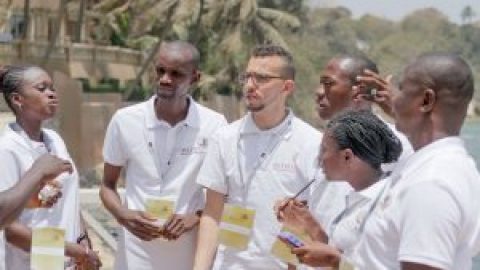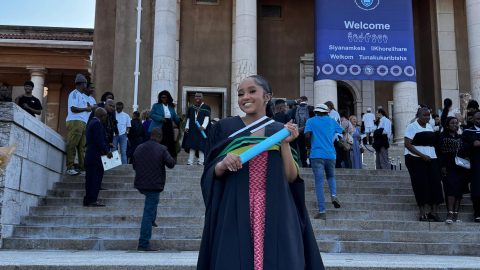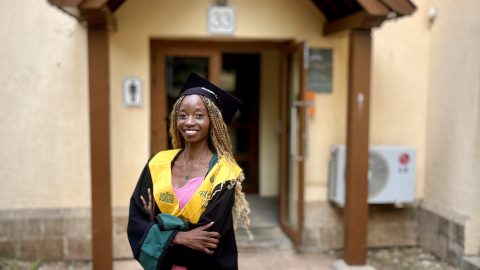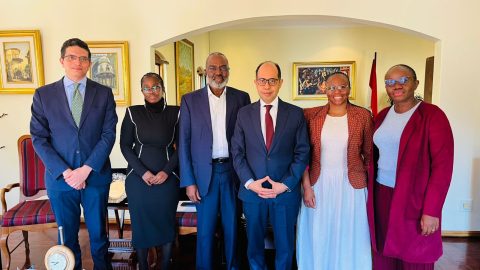





 Let’s paint a picture. Election day. Long queues. Fingers raised high. Celebration. Sometimes, chaos. But here’s what we don’t see: the months and years in between. The quiet work of understanding how systems actually function. The conversations that shape how citizens think about power. The knowledge that turns a voter into an active participant… That’s where the Election and Governance Program lives.
What We’re Actually About
The Elections and Governance Program exists because democracy is not a moment. It’s a muscle. And like any muscle, it needs exercise between games.
We help young Africans understand:
- How elections really work — not just the voting part, but the machinery behind it. Registration. Administration. Counting. Verification. The boring bits that actually matter.
- How to participate beyond the ballot — because showing up every few years is important, but showing up in between? That’s how systems change.
- How institutions function — who does what, why it matters, and how citizens can engage without waiting for permission.
Why It Matters
Africa is young. Really young. The youngest continent in the world young. That means the decisions made today about governance, about elections, about civic space—they’re not just shaping the present. They’re shaping the next 50 years. But here’s the thing: youth alone is not enough. Enthusiasm without understanding runs in circles. Knowledge without action gathers dust. Election and Governance connects the two. We’re not here to tell young people what to think. We’re here to help them think for themselves—armed with information, curious about systems, and ready to participate on their own terms.
The Vision
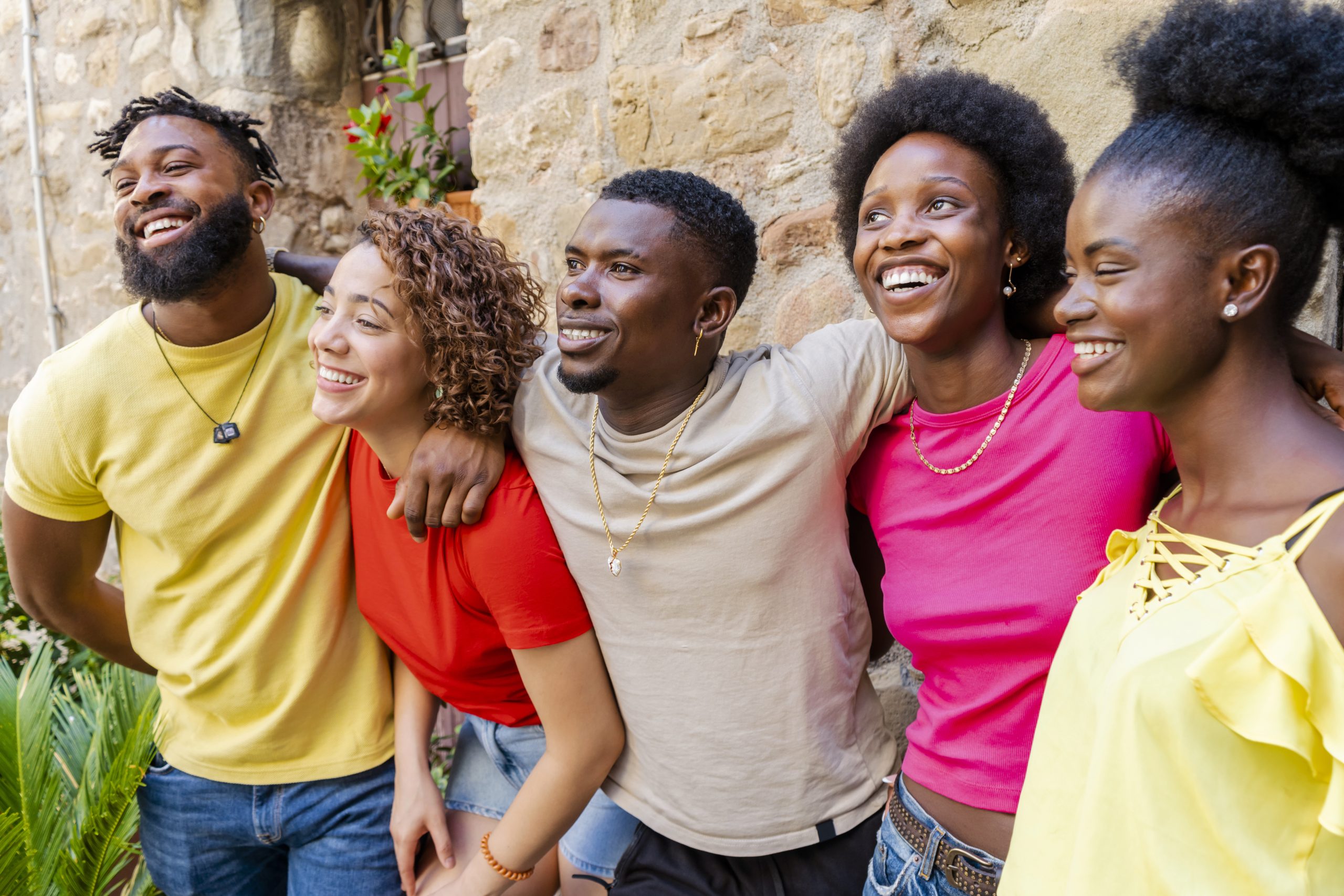
Informed citizens. Resilient institutions. Democracies that actually deliver. That’s the long game. And it starts with a young person in Lagos, in Nairobi, in Johannesburg, in Accra—somewhere between a taxi rank and a university lecture—leaning into a conversation and saying: Wait, I actually didn’t know how that works. Tell me more.
That’s Election and Governance, ,building understanding, strengthening participation and one conversation at a time.