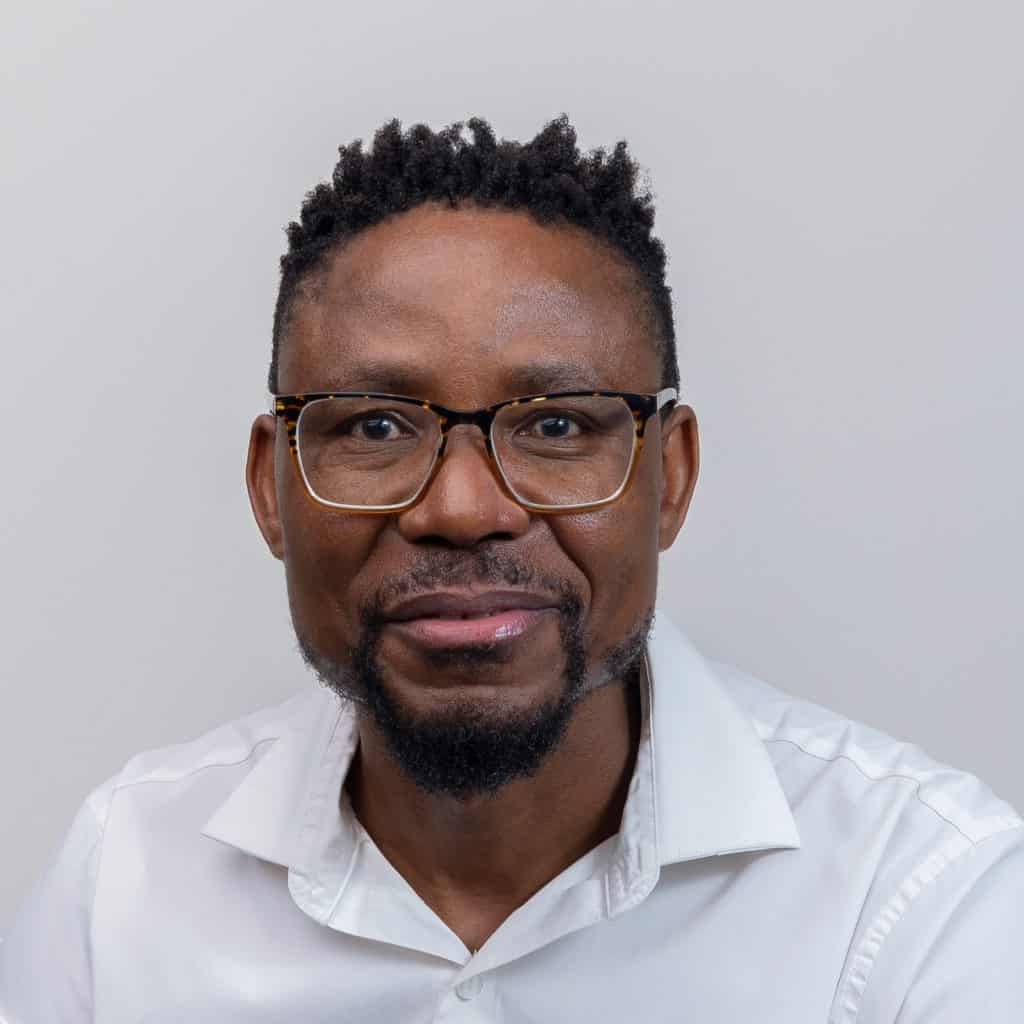
As part of celebrations of MINDS’ 15 years of operations, we interviewed Professor Bhekinkosi Moyo, the Adjunct Professor at the University of Witwatersrand and Director at Centre on African Philanthropy and Social Investment (CAPSI). He reflected on how the MINDS began, viewing it not as an established institution, but an idea that needed to be tested, shaped, and built with intention. Through his recollections, Prof Moyo offers a valuable window into the early thinking, partnerships, and milestones that laid the foundation for what MINDS has become today.
The MINDS journey started with Dr Nkosana Moyo’s exploration of the idea of creating a think tank in Southern Africa that would sharpen focus on Africa’s development through research, analysis, and high-level engagement. Dr Moyo was employed at the African Development Bank at that time. His conversations with Ms. Graça Machel, who had recently established the Graça Machel Trust, gave the idea increased clarity and shape. However, while the vision was compelling, some practical questions needed answers:
- What institutions and efforts already existed, which needed complementing?
- What structure fitted an institution with this kind of vision?
- Which location would be most strategic for the institution?
- How could it be made sustainable?
The Nelson Mandela Foundation, where Prof Moyo led the feasibility work alongside a small team of collaborators commissioned him to carry out a straightforward but significant study to establish whether MINDS was going to be both desirable and feasible, and to outline the steps required to create it. The study affirmed both and this became a critical turning point.
Thereafter, a pivotal consultative meeting hosted at the Nelson Mandela Foundation offices, where the feasibility study was presented and interrogated by leading African thinkers and practitioners from South Africa’s think tanks, prominent academic institutions and policy voices. It was during this convening, he explains, that the idea gained formal endorsement and the institution began to take its first clear form.
The meeting addressed several foundational questions: What should the institution be called? What mandate should it carry? Where should it be located? How should it be governed? The multiple naming options were debated, but the group ultimately settled on the Mandela Institute for Development Studies (MINDS). Strong emphasis was placed on intentional clarity of its mandate: the institution would serve as a regional and continental platform that brings together researchers, practitioners, and policymakers to address Africa’s development challenges through dialogue, research, analysis, and advocacy.
The question of location was also carefully considered. Prof Moyo notes that there were debates about whether MINDS should be based in Zimbabwe, Mozambique, Botswana, or elsewhere. Ultimately, South Africa was selected, and the groundwork for its governance began, with Dr Nkosana Moyo and Graça Machel positioned as the institution’s initial torchbearers.
But endorsement alone did not mean operational readiness. Prof Moyo points out that the next critical challenge was funding and institutional support. He recalls that the first funding for MINDS came through TrustAfrica and the Southern Africa Trust, where he was working at the time. Beyond funding, the Southern Africa Trust went as far as hosting MINDS in its early stages supporting the institutional building process, including registration, policies, and administrative structures. The institution was effectively incubated during this phase, with key individuals appointed to establish systems and build the its operational foundation.
As MINDS matured, it moved into shared office space with the Graça Machel Trust, progressively building its team and programming footprint. This period saw early research work being funded and supported, including a major study on African heritage, reflecting MINDS’ commitment to exploring how culture and knowledge systems can contribute to development.
Looking back, Prof Moyo believes the very creation of MINDS is one of the most important achievements because institutions that intentionally combined policy engagement and research, while operating at a continental level, were extremely limited at the time. He further highlights the unique strength of MINDS’ founding leadership: the pairing of Dr Nkosana Moyo’s strategic thinking and institutional experience with Graça Machel’s stature, credibility, and convening power. This created a rare combination capable of turning an idea into an enduring institution.
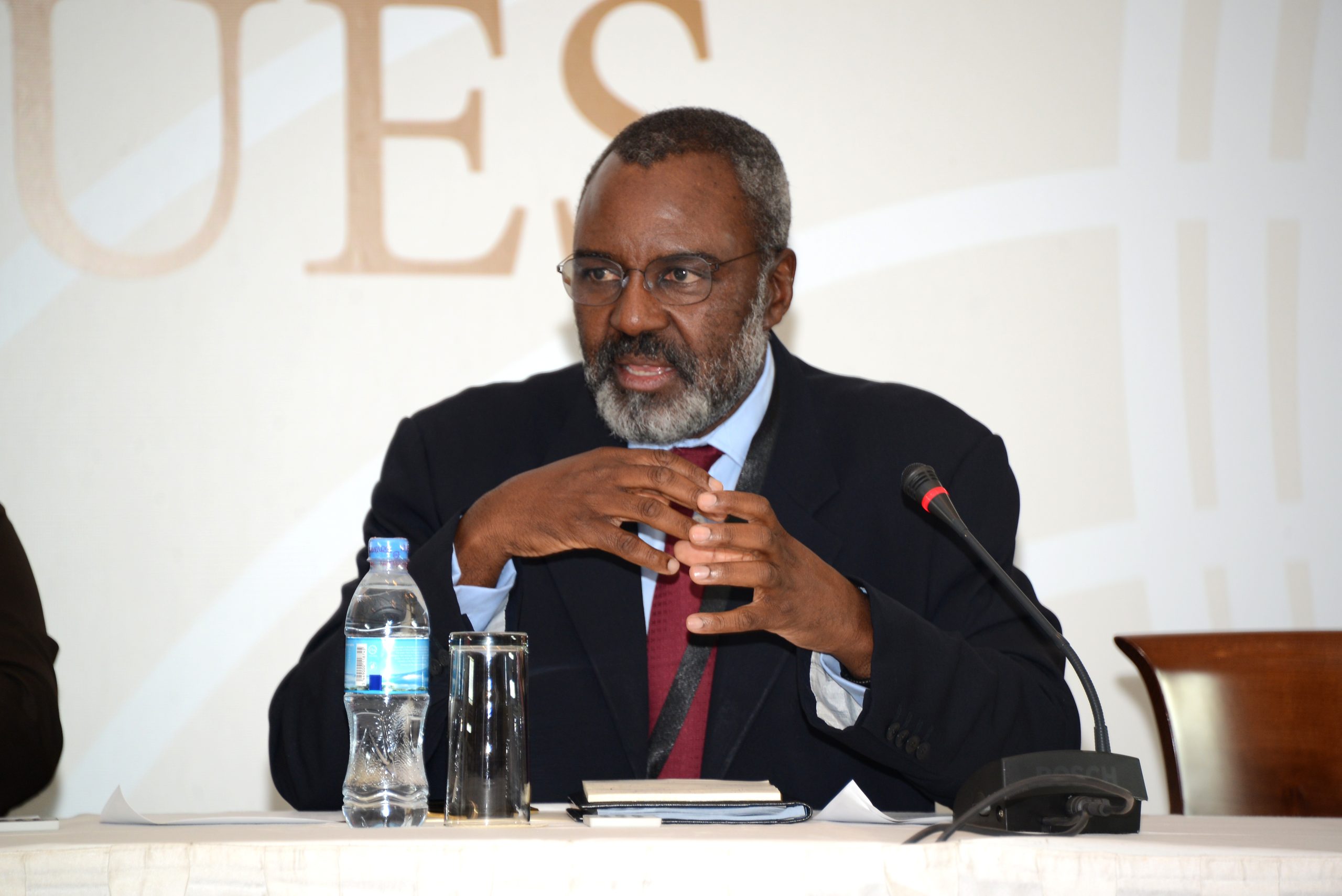
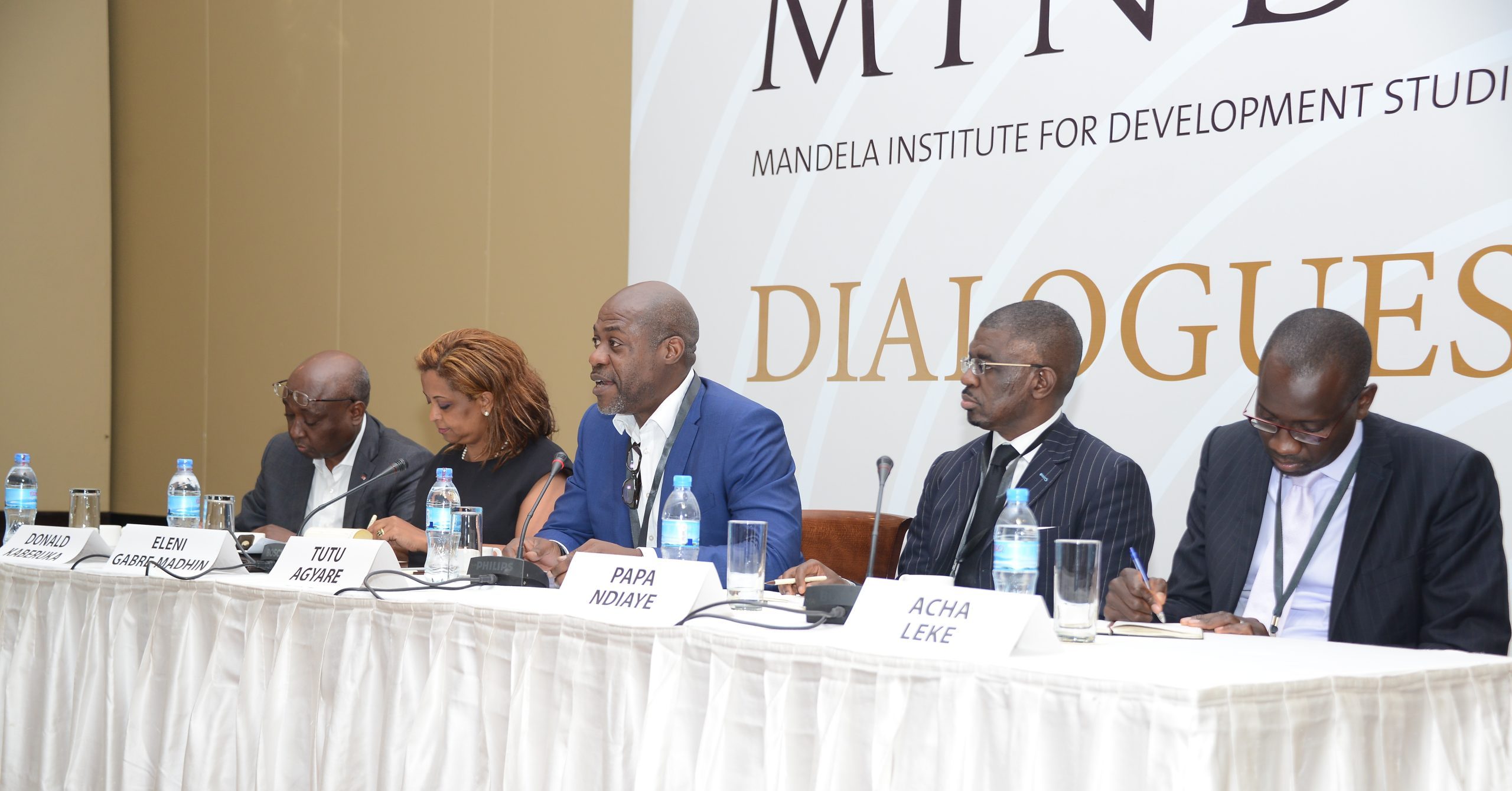
He reflects on MINDS’ signature initiatives over the years, particularly its high-level dialogues, which brought critical minds into one room to engage key development issues. Prof Moyo describes these convenings as innovative platforms that helped galvanise thought leadership and deepen development conversations across the continent.
Prof Moyo also points to MINDS’ youth and scholarship work as a defining legacy, not only for supporting education across borders, but for building a movement of young Africans connected by shared values and purpose. He notes that the power of the scholarship programme lies in its ability to immerse young leaders in different African contexts, build pan-African networks, and shape a mindset rooted in collaboration and continental unity.
As MINDS enters its next chapter, Prof Moyo’s message remains: institutions like MINDS matter and they must be sustained, strengthened, and scaled. The outcomes already achieved are significant, but the broader vision remains even more compelling: what becomes possible if we multiply this model of leadership development, knowledge-building, and pan-African collaboration across the continent?
Through Prof Moyo’s reflections, we are reminded that MINDS began with a bold question and was built through consistency, intentionality, and the belief that Africa’s future must be shaped by Africans themselves.