Leadership Beyond Alignment
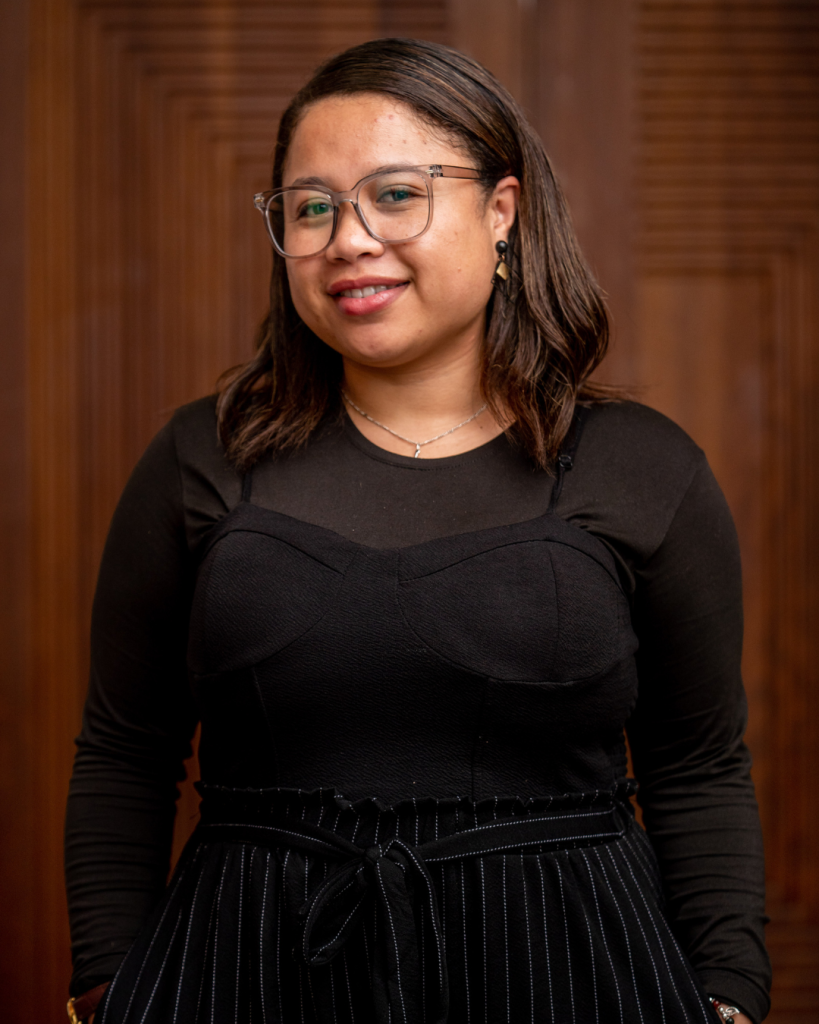
Guided by the belief that peace in the world begins with peace in the heart, Lova Andriamasinoro, a MINDS EGP Alumni from Madagascar and currently in Ethiopia, designs and supports initiatives that foster harmony through cultural promotion, intercultural communication, and multilingual engagement.
Looking ahead to 2026, Africa will be navigating an increasingly fragmented and unpredictable global landscape. This moment calls for leadership focused on delivery rather than rhetoric. The era of dependable global consensus is fading; today, influence is defined by access, bargaining power, and concrete outcomes. African leaders must move beyond symbolic posturing and concentrate on practical cooperation that produces tangible benefits for the continent.
Strategic flexibility will be essential. This does not imply neutrality or disengagement, but rather the ability to work with multiple partners simultaneously without becoming locked into a single block. Leaders must be prepared to adapt, assessing each partnership based on national interests and Africa’s broader priorities. In a world driven by transactions, the capacity to recalibrate and negotiate continuously is a critical asset.
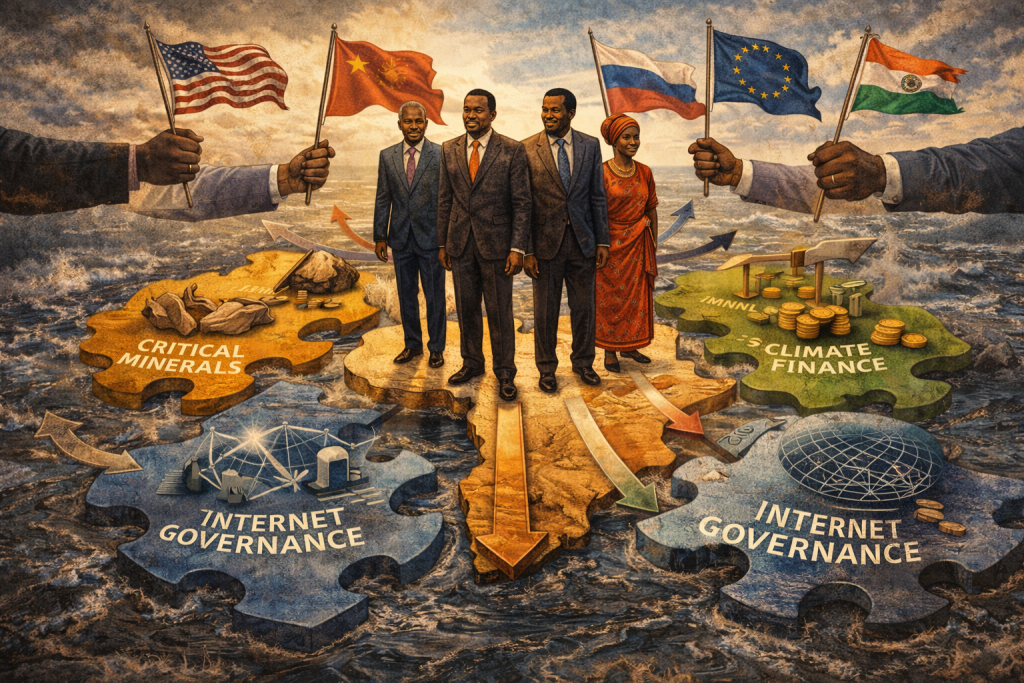
Rather than endlessly invoking unity, African countries would benefit from focusing on a limited number of strategic domains where collective action truly matters. Africa holds significant leverage in areas such as critical minerals, internet governance, climate finance, and cross-border infrastructure. Coordinated positions in these sectors would allow countries to negotiate with greater weight, without the burden of forcing consensus on every
issue.
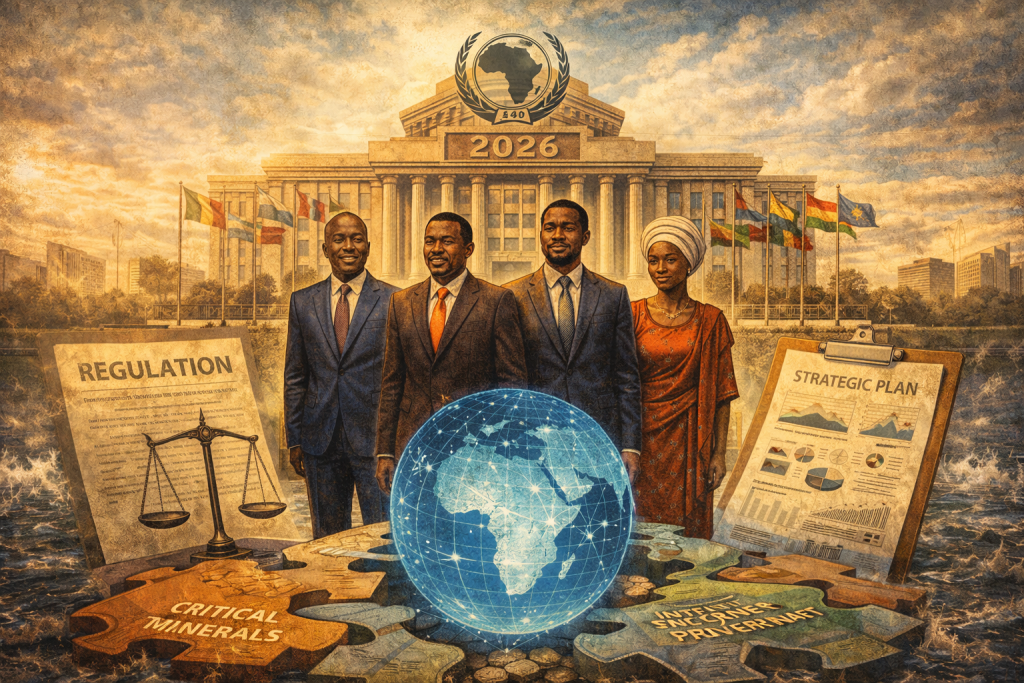
Strong institutions remain the foundation of effective leadership. Converting global relevance into lasting gains requires clear strategies, credible regulatory frameworks, and transparent decision making processes. Reliability and professionalism attract serious partners; these qualities should take precedence over performative leadership.
Ultimately, African leadership in 2026 should aim to shape the rules of engagement rather than merely seek inclusion. By managing partnerships with clarity and aligning them with long-term development goals, African leaders can transform global instability into opportunity and convert vulnerability into leverage
Written by Lova Andriamasinoro