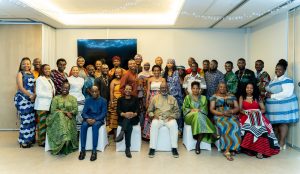
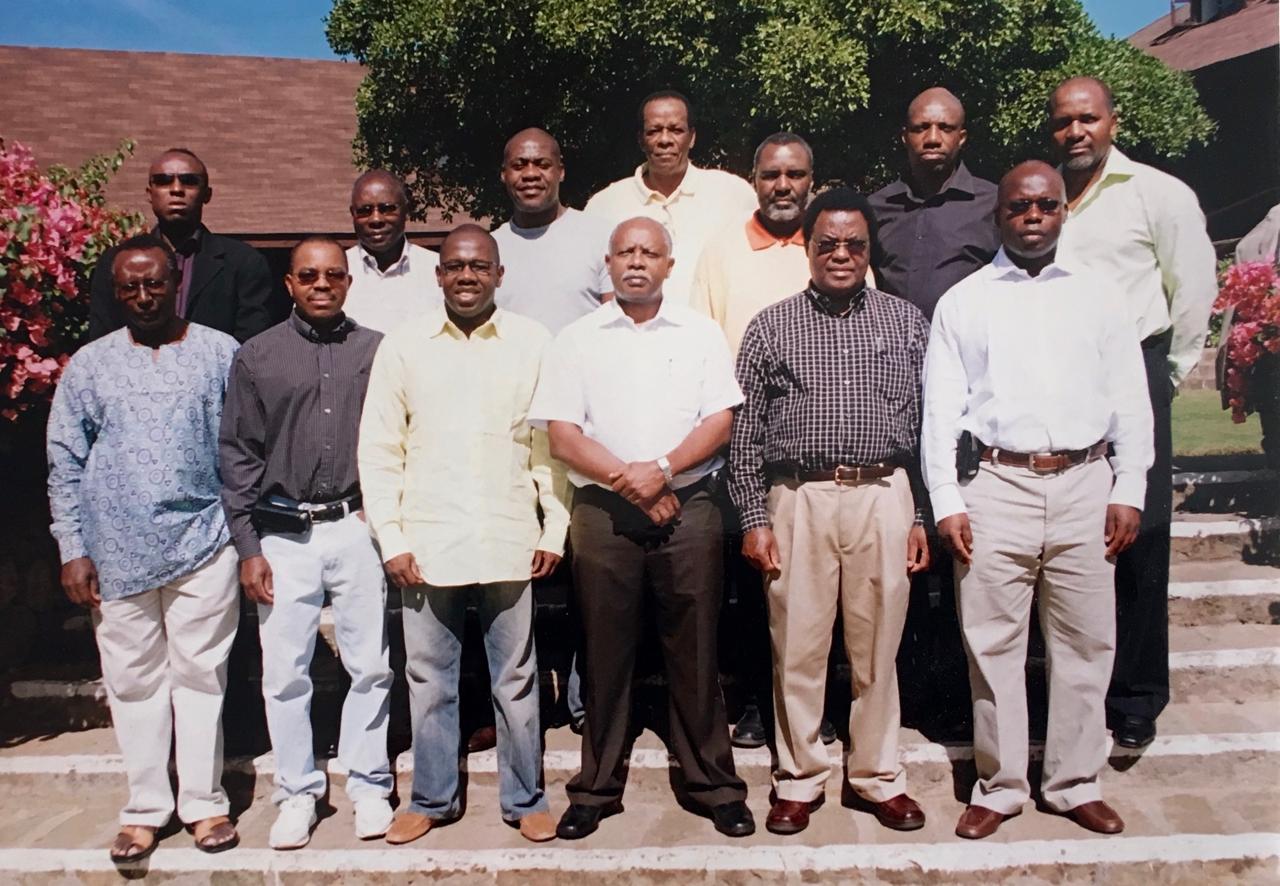
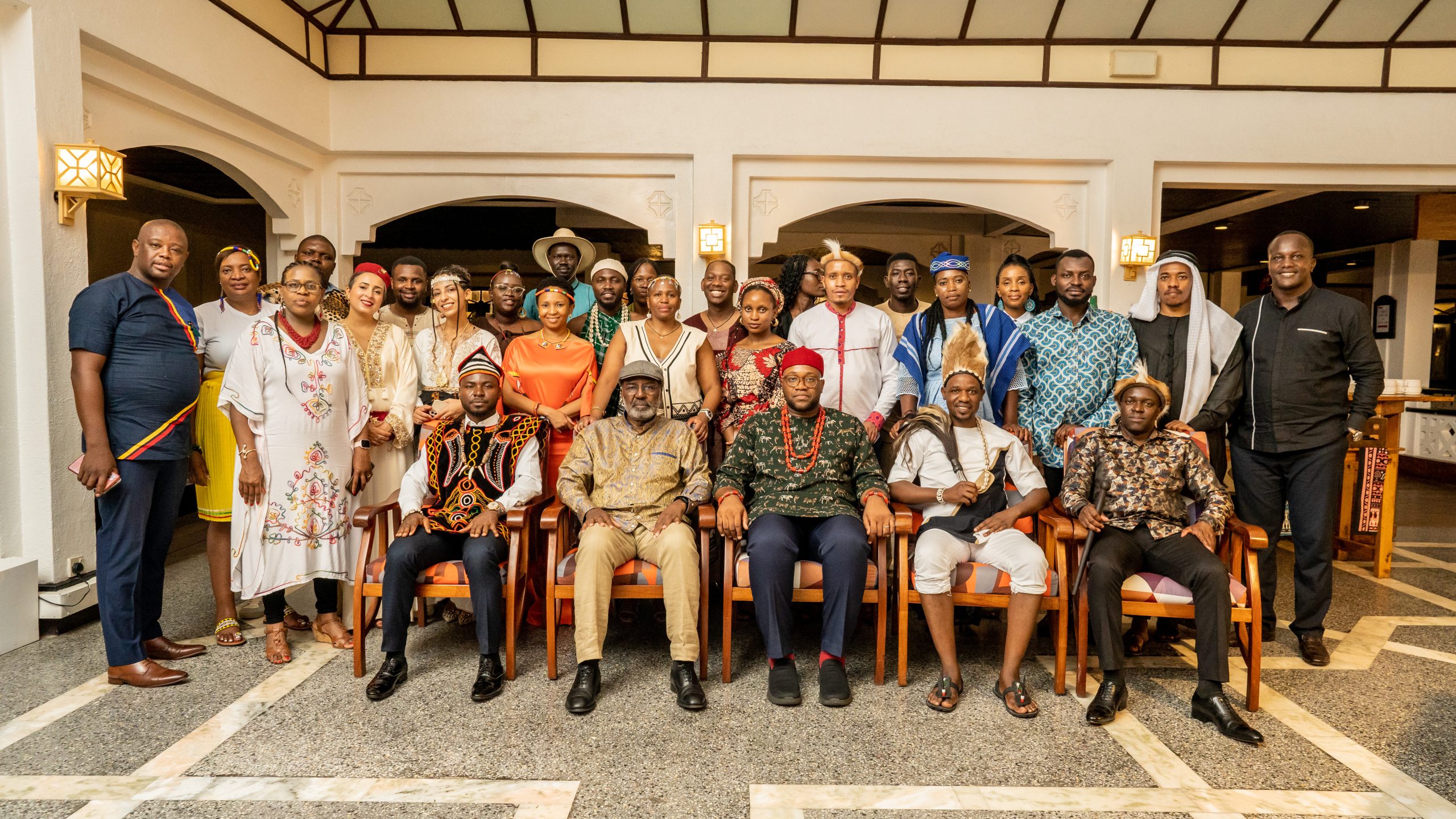
Brainstorm meeting in Nairobi about the vision on MINDS
When the Mandela Institute for Development Studies (MINDS) was founded 15 years ago, few could have predicted how profoundly it would shape the landscape of youth leadership and Pan-African thought. At the time, the idea was little more than a bold proposal championed by Dr Nkosana Moyo, a call to create a platform where Africans could candidly discuss the continent’s challenges and craft their own solutions.
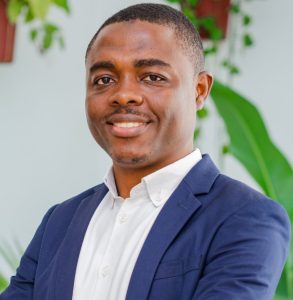
Francis Daniels was in the room for that very first brainstorming meeting held in Nairobi, Kenya. Today, he serves on the MINDS Advisory Board, continuing to support the organisation’s mission of shaping the next generation of African leaders. In this anniversary edition, he reflects on the origins, evolution, successes, and future possibilities of MINDS.
The Seed of an Idea: Why MINDS Was Needed
Looking back to the founding conversations, Daniels recalls being struck by the urgency and clarity of the arguments laid out by Dr Moyo. Africa, unlike other continents, lacked accessible spaces where its own citizens could have “candid discussions” about their realities and collectively chart their future. This absence, Daniels notes, was more than a logistical gap, it was a barrier to unity, innovation, and coordinated progress.
Two key motivations convinced him to support the initial vision.
First, the recognition that Africa needed a dedicated forum “to identify its challenges, propose solutions, and analyse causes” led by Africans themselves.
Second, an unwavering belief in the power of young people, who, as he puts it, “have more at risk over time in Africa’s future than those already advanced in years.”
From the start, MINDS was designed to bridge ideas, generations, and geographies, placing youth at the centre of long-term continental transformation.
Milestones That Matter
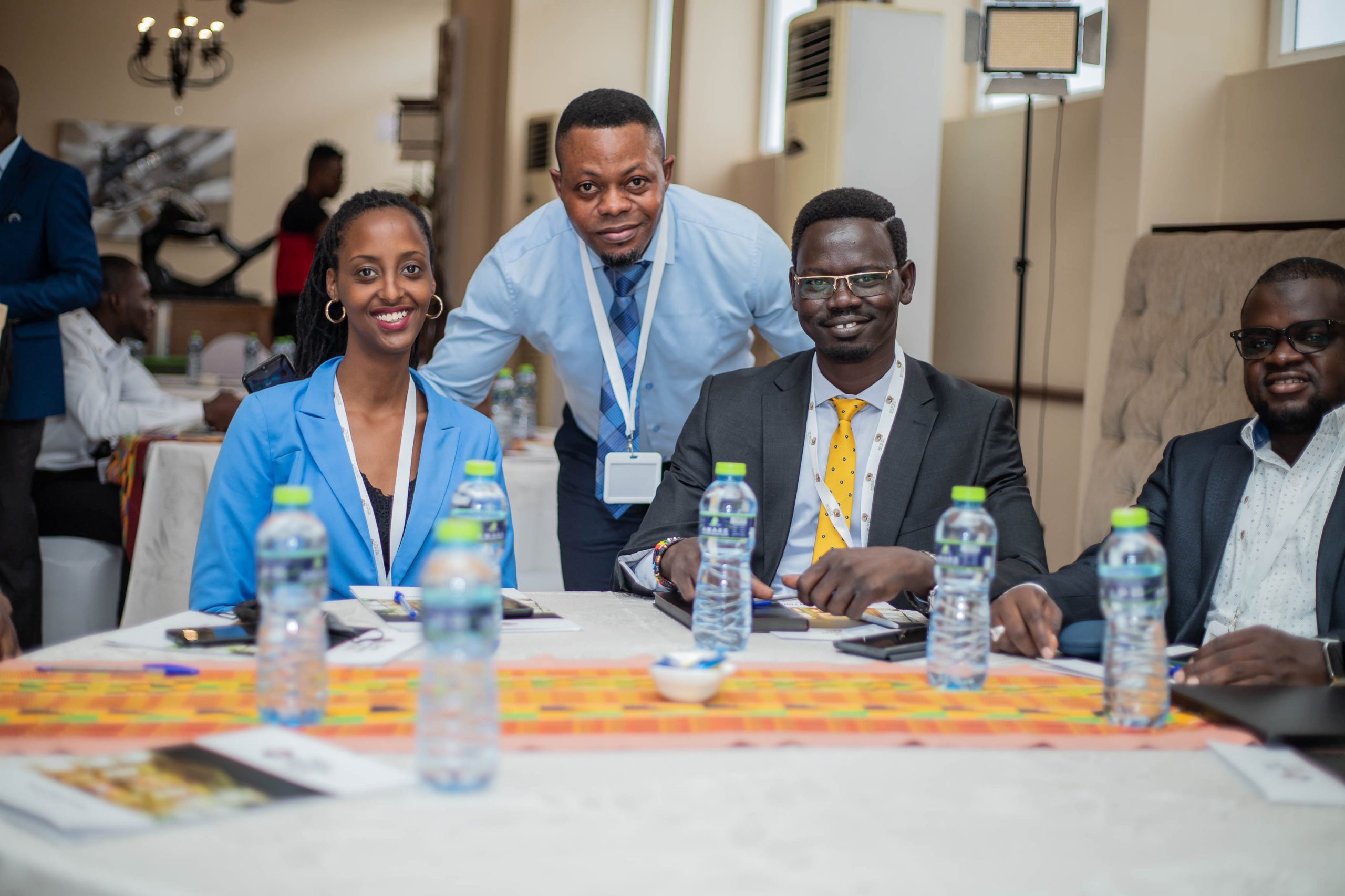
Fifteen years later, Daniels believes the most meaningful achievements lie in MINDS’ youth-focused programmes, particularly the MINDS Scholarship Programme.
“The scholarship programmes have been more successful than we could have envisaged at the time,” he reflects. Beyond academic access, the programme exposes young Africans to different cultures, political systems, and development models across the continent. In his view, this is essential: “More Africans need to be familiar with other Africans and their national conditions.”
Daniels also highlights the MINDS Electoral Integrity Programme as a significant milestone. The initiative empowers young people to understand governance processes and promote fair electoral systems, work that he believes contributes meaningfully to long-term democratic development.
He recalls major early dialogues held in Addis Ababa and Dar es Salaam, where former heads of state and thought leaders convened to debate the continent’s trajectory. While sustaining that series proved challenging, he believes the impact was real and needed.
Evolution and Unexpected Turns
Asked how MINDS has evolved in ways he did not foresee, Daniels offers a nuanced reflection. Beyond the success of youth programmes, he notes two areas that unfolded differently than expected:
-
Funding Sources: Early hopes for primarily Africa-based funding did not materialise to the extent envisioned. “It was optimism that did not stand the test of time,” he notes, acknowledging structural limitations in continental philanthropy.
-
Intellectual Output: While MINDS has excelled in convening, he believes there is still room to generate more in-depth intellectual and policy content. “We’ve ended up doing more convening than idea creation,” he says, while emphasising the complexity and resource needs required.
On the whole, he sees MINDS as an organisation with strong foundations, particularly through its youth programmes, and rich potential to strengthen its thought leadership in years to come.
The Role of Intergenerational Dialogue
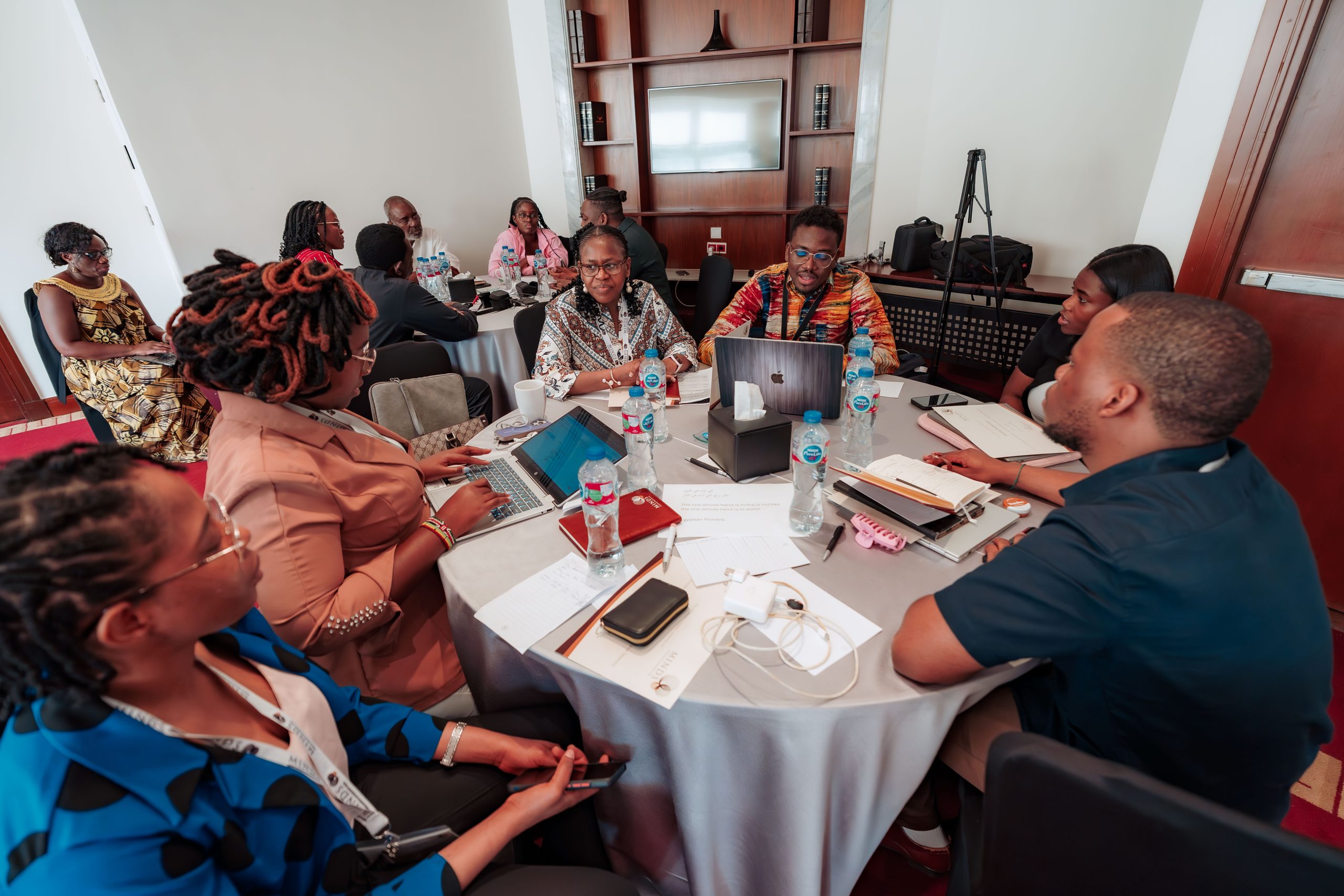
Daniels sees the recently launched Intergenerational Dialogue (IGD) as an important step forward.
“Conversations across generations are useful. The more the young know about experiences of the past, in politics, development, and governance, the better equipped they are to design policies for their times.”
However, he cautions that dialogue alone is not enough. Transforming Africa requires sustained organisational work, deep knowledge, and cross-continental collaboration. MINDS, he believes, is positioned to nurture this blend of conversation and action.
Advice to Young Africans Entering the MINDS Community
Daniels offers three pieces of guidance to young leaders:
-
Deepen your knowledge of Africa — beyond your own country.
Understanding continental diversity is essential for shaping relevant, future-facing policies. -
Build networks intentionally.
“MINDS scholars should be talking to one another,” he emphasises, drawing parallels with the Pan-African collaboration seen during independence movements. -
Stay curious, open-minded, and committed to learning.
Effective leadership, he notes, requires “a lot of reading, a lot of thinking, and talking to different people over long periods.”
The Journey Ahead
When asked to describe MINDS’ journey so far, Daniels he affirmed that MINDS’ greatest achievement is its survival and its consistent investment in Africa’s youth.
The real work lies ahead: “Africa living up to its potential will outlast us all,” he reflects. What matters is developing leaders who can think across generations, understanding that “many of the tasks we take on today will not be completed in our lifetime.”
And ultimately, that long-term vision rooted in courage, curiosity, and collective responsibility is what MINDS has been striving to build since that first meeting in Nairobi.