
“Lab to life” is more than a scientific phrase; it’s the journey that transforms an idea into impact. In biopharmaceutical science, it describes the full pathway from discovery through clinical trials, manufacturing, regulatory approval, and finally to a vaccine reaching the people whose lives depend on it. Each step is complex, highly regulated, and deeply human. When this pathway works, lives are saved. When it fails, communities suffer.
The stakes couldn’t be higher in Africa. Right now, only about 1% of vaccines used on our continent are produced locally, with Africa contributing roughly 0.1% of global vaccine manufacturing. COVID-19 laid bare just how vulnerable this makes us. In response, the African Union, through Africa CDC, developed the Partnerships for African Vaccine Manufacturing (PAVM) Framework for Action, a bold roadmap aiming for 60% local vaccine production by 2040.
And we’re seeing real progress. In 2025, Biovac became the first African company in over 50 years to produce a vaccine end-to-end on the continent, a preventative cholera vaccine developed from bacterial strain to finished product, right here at home. It entered Phase I clinical trials in October 2025 and is now in Phase III trials. This isn’t just a scientific achievement; it’s proof of what’s possible when we invest in local capacity.
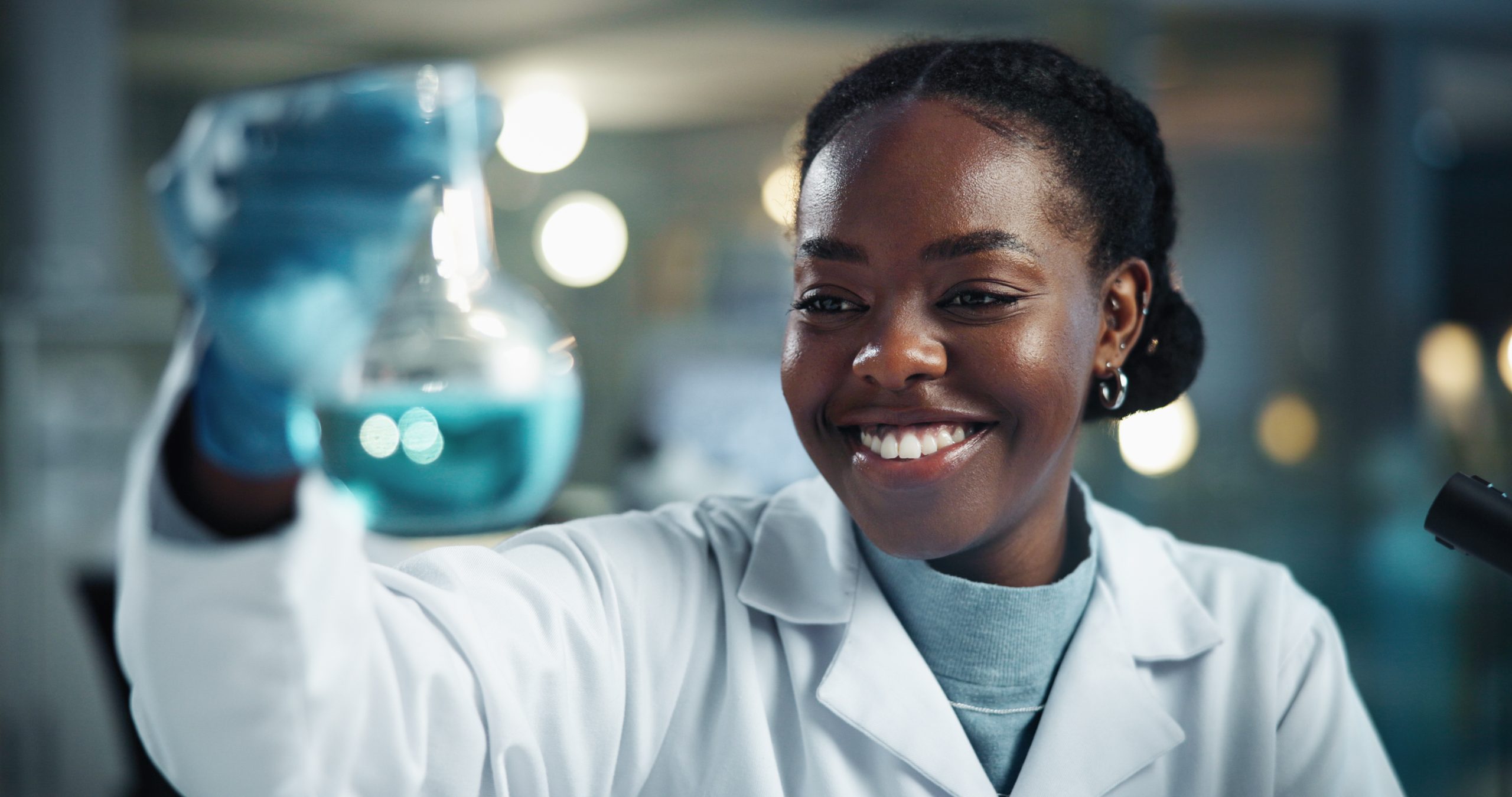
What strikes me most is how women are driving this transformation at every level. In laboratories, women scientists are tackling the diseases that actually affect our communities. In manufacturing and quality assurance, they’re the guardians of the standards that keep vaccines
safe. In regulatory affairs, they’re navigating the intricate frameworks that turn scientific breakthroughs into accessible treatments.

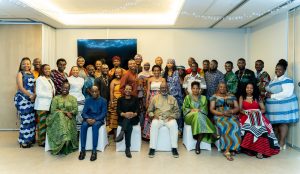
As an Africa CDC Industrial Fellow at Biovac, I’ve witnessed this firsthand. Being mentored by a woman leading in Regulatory Affairs, and is also the Responsible Pharmacist, has shown me how women don’t just participate in this work, they shape it. Her leadership directly influences whether life-saving vaccines reach people in time. Organisations like MINDS understand this. They’re not just opening doors for talented African women in science; they’re ensuring we have the skills, networks, and platforms to lead. This International Day of Women and Girls in Science, the truth is undeniable: Africa’s health future depends on women in science. Empowering us isn’t a nice gesture. It’s essential.
Written by Kundai Roselyn Mazarura