




Prisheela Mottee
Africa in 2026 faces an unprecedented convergence of global uncertainty: geopolitical fragmentation, climate shocks, rising debt vulnerabilities, and increasingly complex trade and security negotiations. In this environment, the continent does not merely require strong leadership, it requires a courageous shift in leadership posture. Africa must dare to embrace women-centred leadership as a strategic response to both internal development challenges and external negotiation pressures.
The work of the Raise Brave Girls association reflects this necessary shift. By focusing on leadership development, advocacy, and confidence-building among girls and young women, the organisation addresses a structural deficit that continues to limit Africa’s global standing: the systematic under-representation of women in decision-making and negotiation spaces. Africa’s ability to negotiate effectively in 2026 will depend on how well it mobilises its full human capital particularly women.
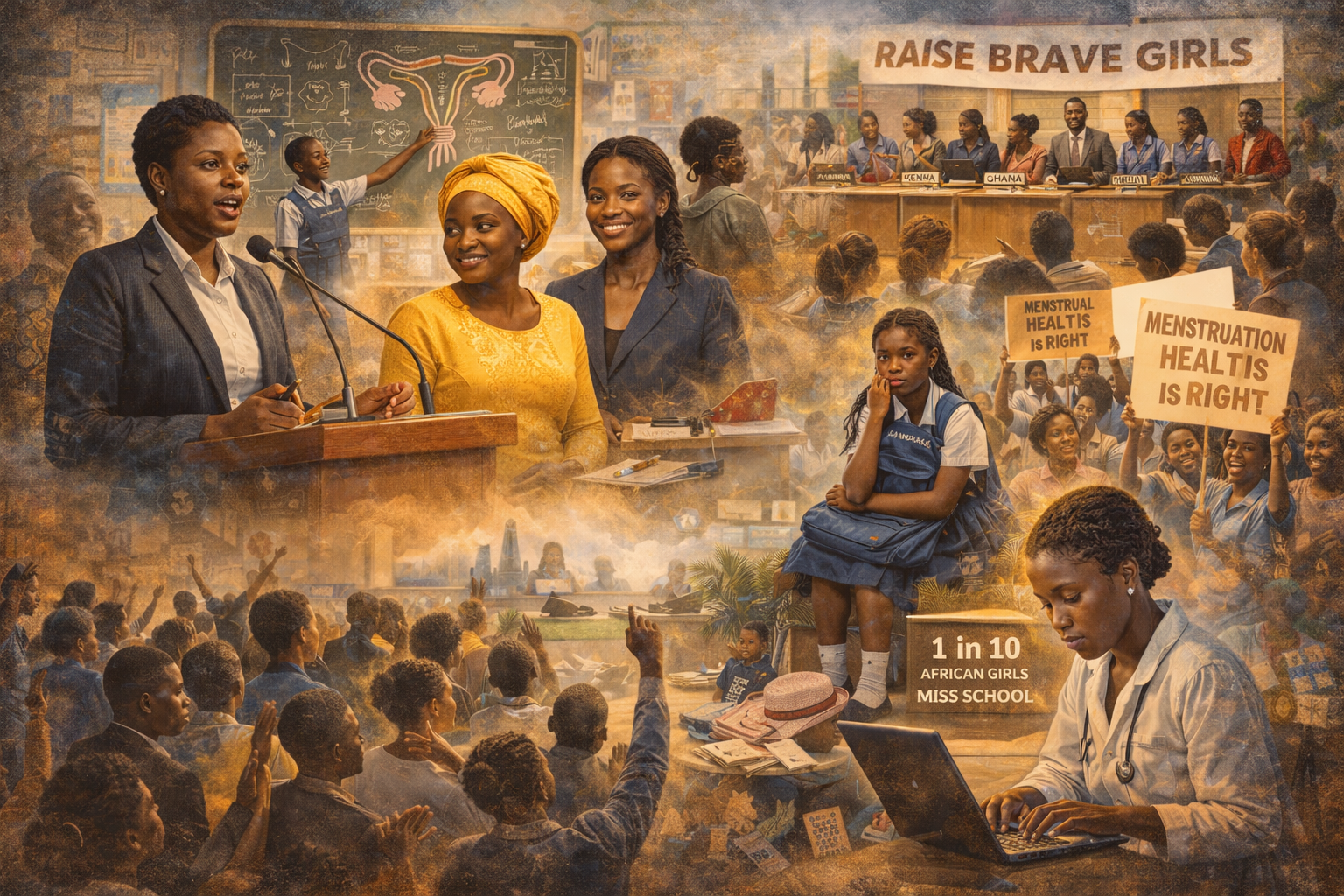
Women’s leadership is not only a matter of representation; it is deeply connected to policy outcomes that shape long-term economic strength. Menstrual health is a striking example. Across sub-Saharan Africa, an estimated 1 in 10 girls misses school during menstruation, contributing to learning gaps and higher dropout rates. UNESCO estimates that over 30 million girls in Africa miss school each year due to inadequate menstrual hygiene management. The economic cost is significant: lost education translates directly into reduced productivity and lifetime earnings. Advocacy for menstruation leave policies and comprehensive menstrual health programmes framed as basic human rights is therefore not symbolic. It is a productivity, education, and dignity issue. Women leaders are often better positioned to elevate this issue from the margins into mainstream labour and education policy.
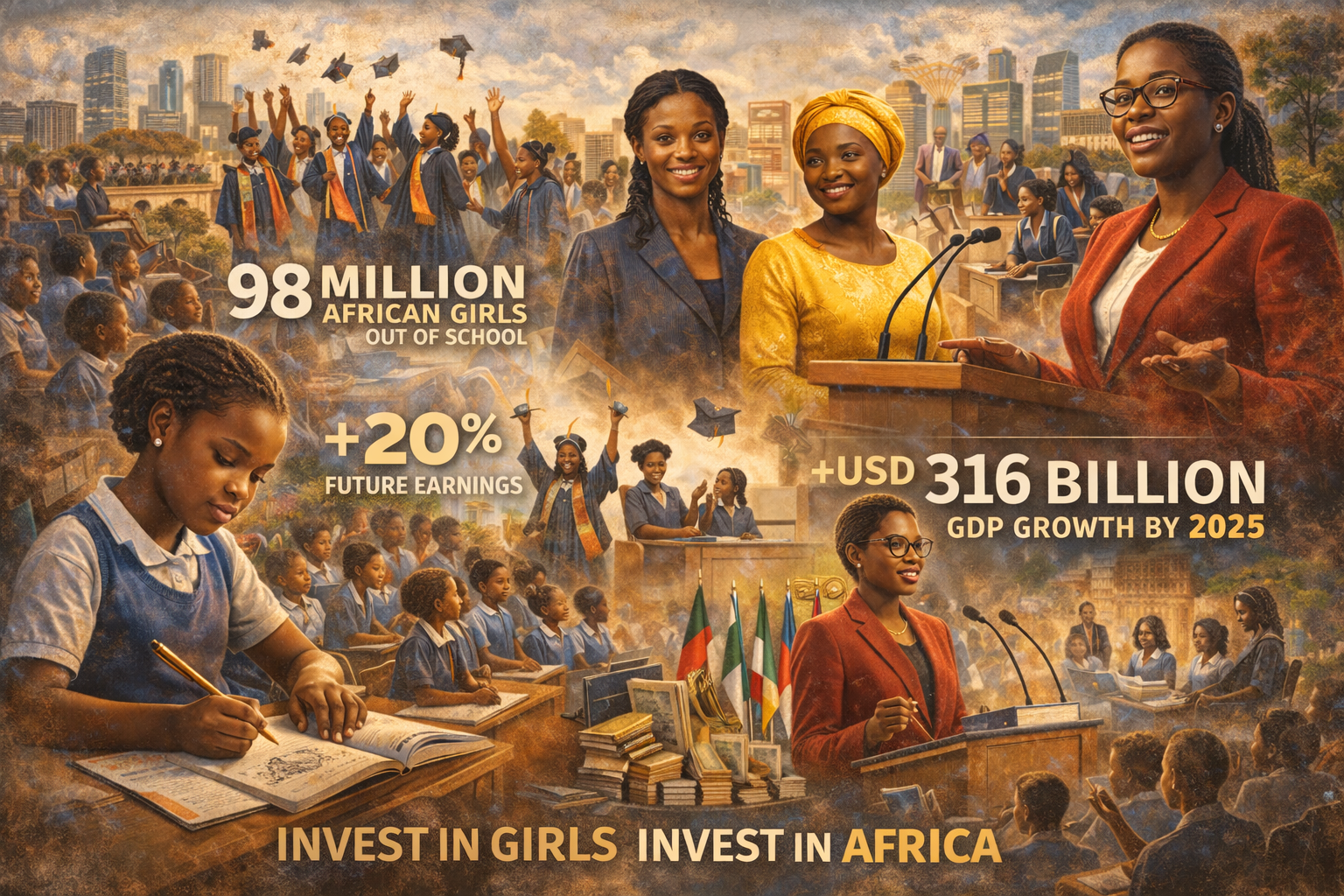
Education for girls remains one of Africa’s most powerful, yet underutilised, development levers. While progress has been made, approximately 98 million girls in Africa remain out of school, according to UNICEF estimates. The World Bank consistently finds that eachadditional year of schooling for a girl increases her future earnings by up to 20%, while countries that fail to educate girls forfeit billions in potential GDP growth. Women leaders tend to frame free and accessible education for girls not as social expenditure, but as long-term investment in national competitiveness, governance quality, and regional stability. Investing in women as manpower is equally critical. Women currently account for over 50% of Africa’s population, yet contribute only about 33% of measured GDP, largely due to structural barriers in access to education, finance, and leadership. Closing gender gaps in employment could increase Africa’s GDP by up to USD 316 billion by 2025, according to regional economic estimates. Women-centred leadership brings this economic logic into policy discourse with clarity and urgency.
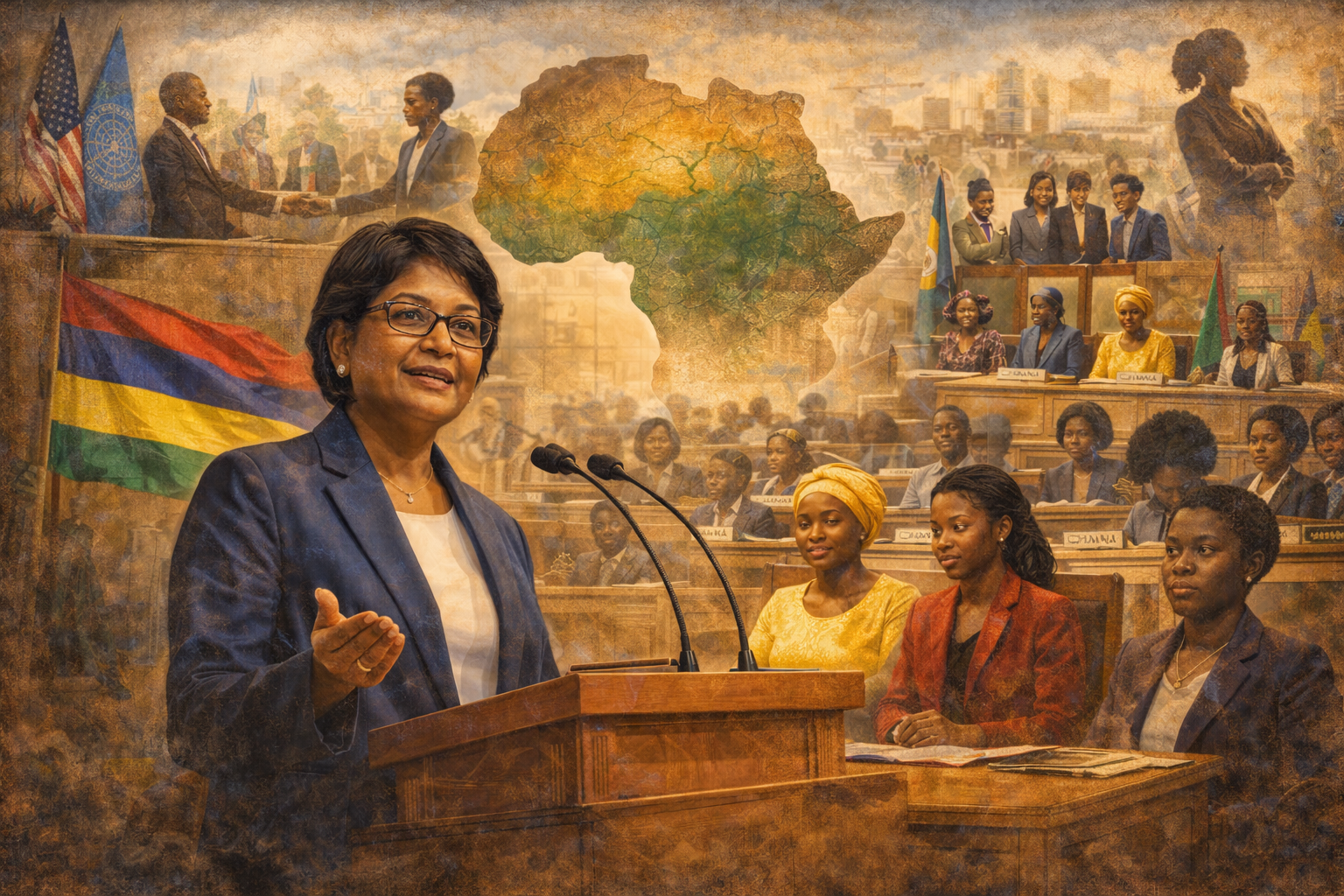
Mauritius offers a concrete illustration of women’s leadership in action through Shirin Aumeeruddy-Cziffra, Speaker of the Parliament of Mauritius. Her leadership exemplifies negotiation grounded in procedural integrity, balance, and institutional credibility. In a parliamentary environment that requires constant mediation between competing interests, her role demonstrates how women leaders can manage power without polarisation—an essential skill for Africa’s regional and international negotiations. Yet, women remain significantly underrepresented across the continent. As of recent continental averages, women hold approximately 24% of parliamentary seats in Africa, with wide disparities between countries. At executive levels, fewer than 10% of African heads of state or government are women, despite evidence that women’s participation improves governance outcomes, transparency, and peace durability. These figures underline the urgency of deliberate leadership pipelines such as those advocated by Raise Brave Girls.
Africa’s leadership posture in 2026 must therefore be both bold and strategic. Women-centred leadership is not a concession to equality discourse; it is a rational response to economic, social, and diplomatic realities. By empowering women to lead, advocate, and negotiate—on issues ranging from menstrual health and education to trade and diplomacy—Africa strengthens its internal resilience and its external credibility. It is time for Africa to dare. To place women at the centre of leadership is to invest in the continent’s negotiating power, moral authority, and global standing in an increasingly uncertain world.
It is time for Africa to dare. To place women at the centre of leadership is to invest in the continent’s negotiating power, moral authority, and global standing in an increasingly uncertain world.
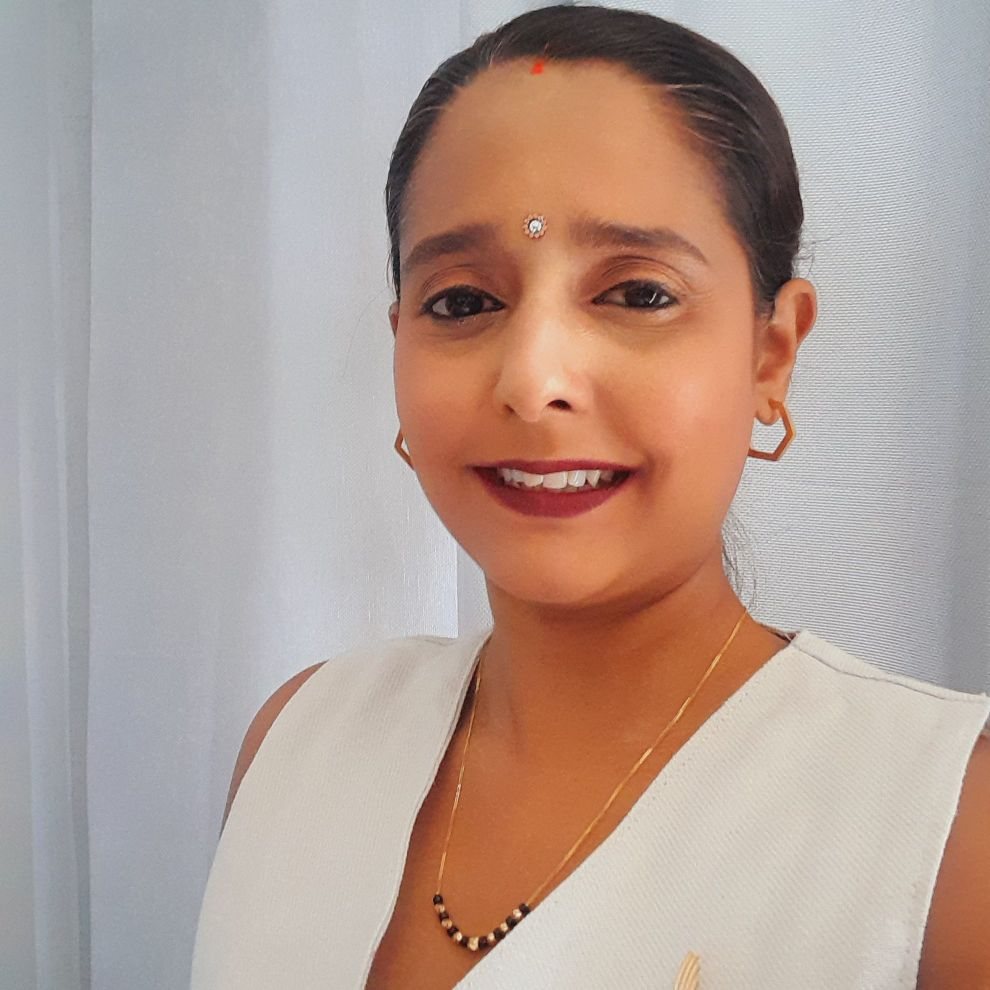
Written by Prisheela Mottee
Mottee Prisheela is a feminist in the African region from Mauritus. She hold a Bsc Hons In Political Science, a degree in Law and a Master in Public Policy and Administration from the University of Mauritius. She is a Mandela Washington Fellow from the University of Delaware and the first runner up for JCI Most Outstanding young person 2025 In Mautius. Mottee Prisheela is also an aspiring barrister at law.