




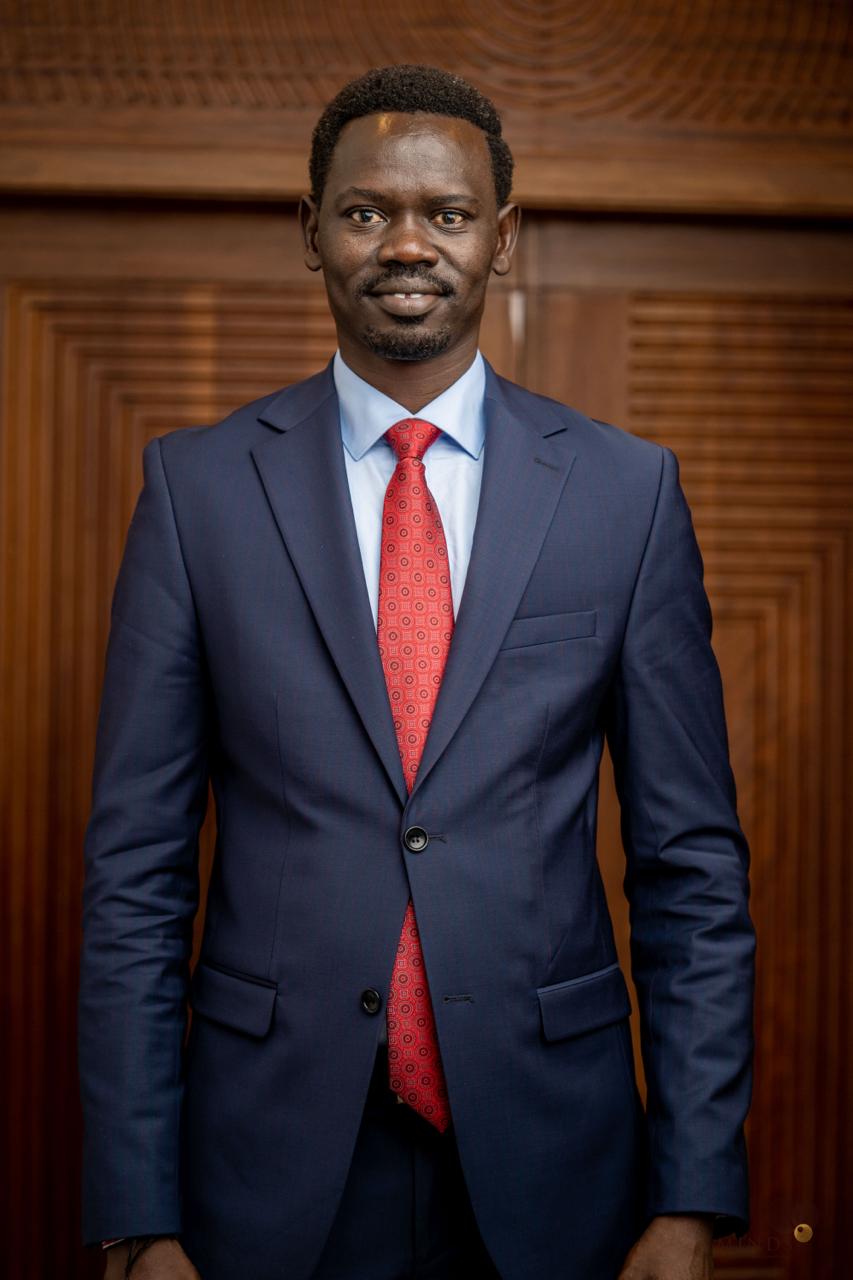
Daniel Athior Atem Manyuon
Historical Foundations: Colonial Legacies and Their Aftermath
Historical Foundations: Colonial Legacies and Their Aftermath The history of Africa is known and engaged with by Africans with a clear understanding of the living past, with its rich achievements—whether the intellectual accomplishments of Timbuktu or the building skills of the people of Great Zimbabwe—but also with the damaging legacies of colonial extraction. The late 19th-century Scramble for Africa led to the creation of borders drawn with disregard for ethnicity and culture, which then embedded an economic system of extraction and laid the groundwork for the instability of the contemporary states of Africa.
Global Politics: Africa’s presence at the global table is difficult to ignore.
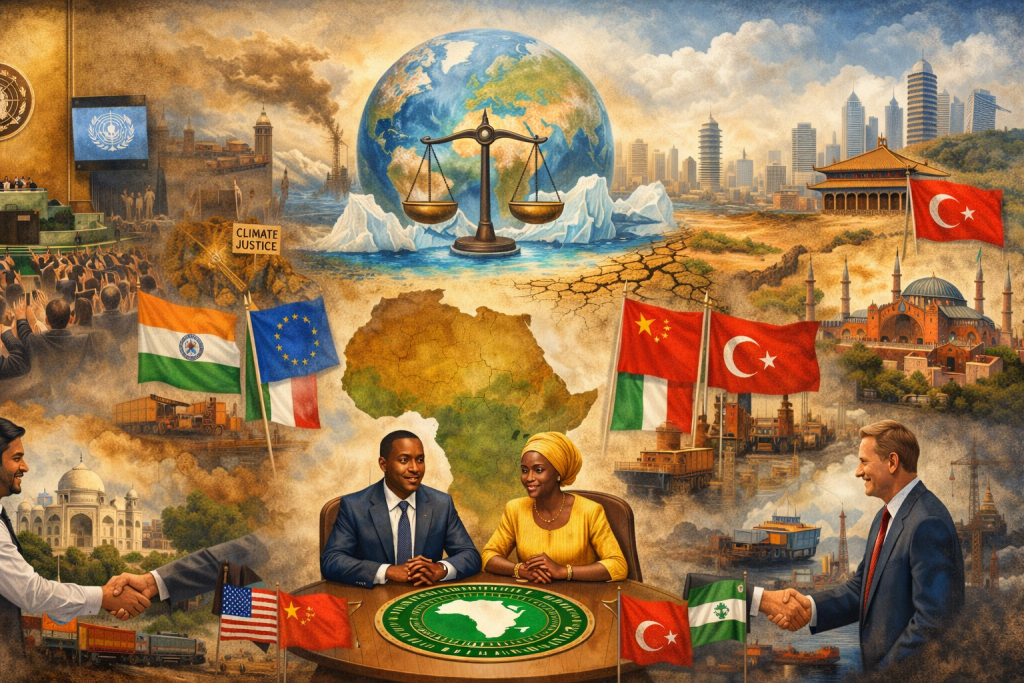
With Vernier holding a fourth of the UN votes, the continent is just as pivotal to the way that multilateral policy can be determined. An African Union that overcomes its own set of challenges has emerged as the collective voice against the injustice of climate change and conflicts. African states are extending their influence beyond the historically significant Sino–Western alliance to other nations such as India and Turkey that can help them with infrastructure and investments, even if these can be perceived as historically reminiscent of resource extraction.
Cultural Power: Shaping Global Narratives
The rhythm of culture beating in Africa is reshaping the global arts, media, and ideas landscape. Afrobeats, led by artists such as Burna Boy and Tems, dominates global music charts, with the number of Nigerian films, referred to as Nollywood, surpassing Hollywood annually. Chimamanda Ngozi Adichie and Ngũgĩ wa Thiong’o, through their writing, resist Eurocentric ism, while the #EndSARS movement in Nigeria demonstrates the power of digital activism. The current culture renaissance in Africa, therefore, transcends mere representation, as it represents the take-back of the narrative toward establishing its own identity independent of the shadows of colonial definitions.
Innovation & Climate Justice
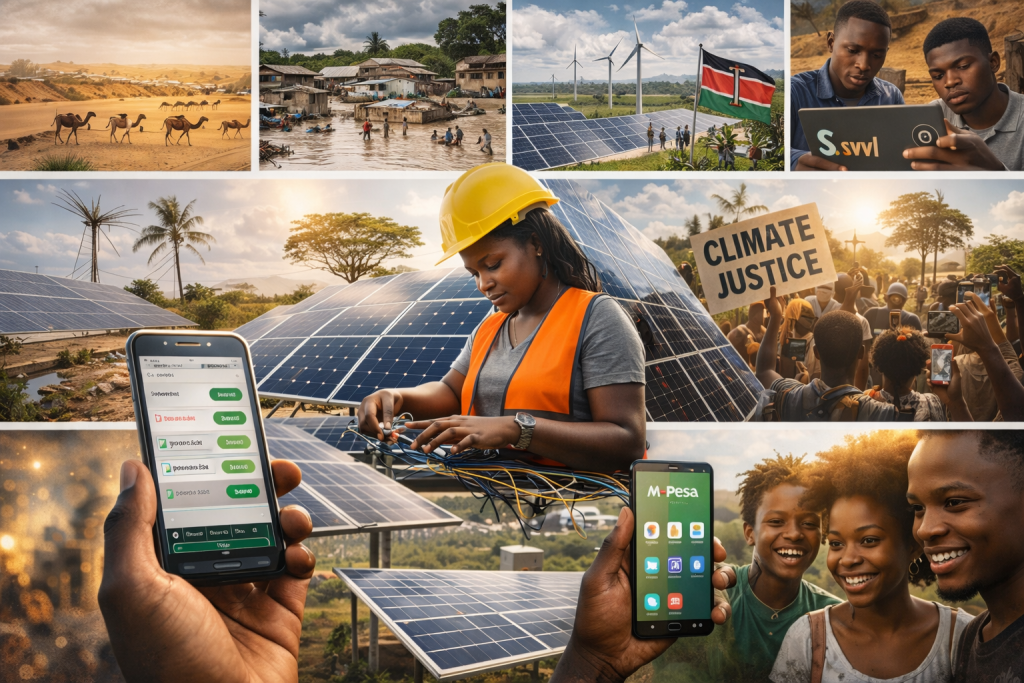
The African continent is on the front lines in the fight for climate justice. The Sahara’s migration and the cyclones hitting Mozambique demonstrate the dire effects. However, despite the fact that African nations account for less than 4% of global emissions, African nations are at the forefront in providing sustainable solutions. For example, 90% of 2 Kenya’s power is renewable, and entrepreneurs, including Rejoule Africa in Tanzania, lead the way in solar innovation. In tech, Africa is jumping ahead. Mobile money services, led by innovations like M-Pesa, have swung open economic doors to millions, and start-ups like Flutter-wave in Nigeria and Swvl in Egypt are attracting investment. This is reflective of a young continent that is estimated to be 70% under the age of 30.
Difficulties and Contradictions
It had no problem naming the contradictions as they came: vibrant democracies such as Ghana and Botswana stood in stark contrast to the coups and conflict of the Sahel, which served as stern reminders of how fragility is never too far away. Advances in gender equality coexisted with everyday violence against women; a heaving economy commonly forgot its rural hinterland. The crisis of the brain drains went hand in hand with the evolving knowledge and capital brought back by diaspora networks.
Pan-Africanism Reimagined
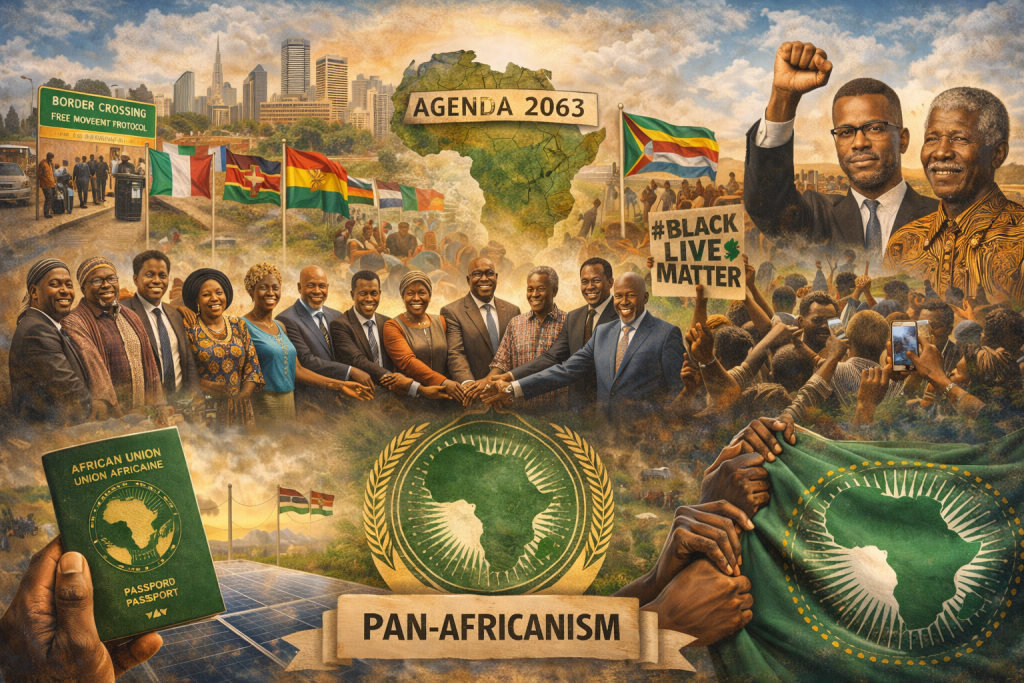
The Pan-Africanism is at the core of Africa’s outlook, not a dusty 20th-century dream but a living, breathing ethos-you see it in practical steps like the Free Movement Protocol that makes crossborder travel easier, in the AU’s Agenda 2063 as a concrete development plan, and in solidarity movements such as #BlackLivesMatter that recognize the common fight against systemic racism. The refreshed sense of unity in this way respects diversity while pursues strengthening collective clout in a multipolar world.
Conclusion: Embracing Inter-dependence
The modern-day world is a cautious optimism for Africa. It seeks fair partnerships and not paternalism, justice in the use of natural resources and not exploitation, and a seat at the table and not just looking at it. The lessons of resilience, community, and ingenuity in the face of the past provide the roadmap for the kind of future that values diversity and justice as core values—not just for Africa, but for the world, and ever more so. The continent is looking to lead and shape this reality, rather than just play catch-up with the Global North. Thus, the story of Africa is the same as the world at large—the world advances through interdependence and not dominance.
Written by Daniel Athior Atem
The author is MINDS Africa Alumni, Mandela Scholar and Financial Economist from South Sudan. He is also a member of the World Bank Youth Transforming Scholars. He is an opinion writer on issues related to Socio-finance-economics, Education, Youth-in-Sports, Governance, and Corruption.