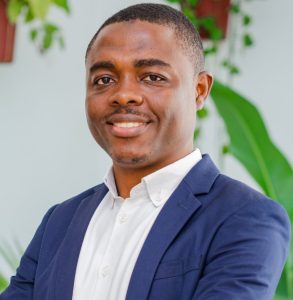
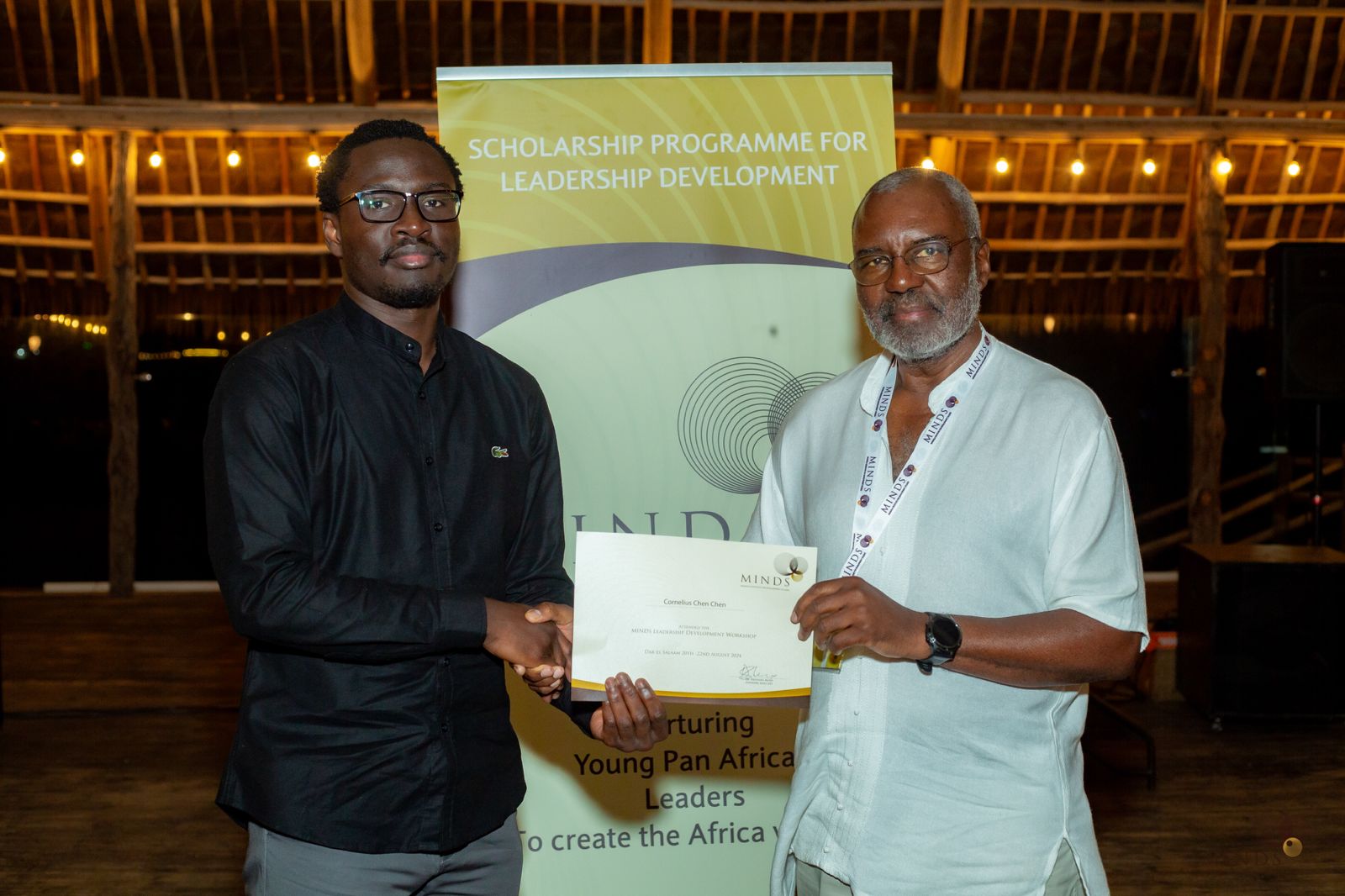
For Cornelius Chen-Chen, graduating with an MSc in Civil Engineering from the University of Cape Town, represents a defining step toward transforming Africa’s water and sanitation landscape.
His research centred on Enhanced Biological Phosphorus Removal (EBPR) systems and advanced mathematical modelling for Water and Resource Recovery Facilities (WRRFs). This work is essential for building next-generation wastewater systems that are economically viable, environmentally sustainable, and socially responsive to Africa’s growing urbanisation and climate pressures.
“This milestone affirms years of rigorous research,” he reflects, crediting the mentorship of Professor David Ikumi and the Water Research Group at UCT. “It strengthens my foundation as I move toward doctoral studies, where I plan to integrate emerging quantum computational approaches with biological processes to push the boundaries of wastewater treatment modelling.”
But beyond scientific progress, Cornelius sees this moment as a reaffirmation of purpose:
“This achievement reinforces my commitment to developing Africa-centred solutions for the continent’s water and sanitation challenges.”
Supported by the prestigious Oppenheimer Memorial Trust Scholarship, an opportunity built upon the gateway created by the MINDS Scholarship in 2023. Cornelius stands determined to use his expertise to drive sustainable development across Africa.
How the MINDS Scholarship Shaped His Leadership Journey
For Cornelius, MINDS did more than support his studies, it reshaped how he understands leadership within a Pan-African context.
“The MINDS programme taught me that technical excellence alone is not enough,” he says. “Leadership requires ethical grounding, cultural intelligence, and the ability to communicate complex ideas in ways that inspire action.”
Through MINDS leadership training, peer learning, and exposure to continent-wide challenges, he learned to situate his research within broader societal needs. The programme helped him cultivate systems thinking, values-based leadership, and a collaborative approach to problem-solving.
Most importantly, the MINDS community provided a powerful network of fellow young leaders:
“These are people who believe in Africa, who challenge you, broaden your perspective, and help you grow. They influence how I approach research and how I think about impact.”
This community-driven inspiration, combined with recognition from the Oppenheimer Memorial Trust, affirmed his potential to lead transformative work that brings scientific innovation into real-world implementation.
Cornelius’s Advice to Future MINDS Scholars
He offers three powerful lessons:
1. Embrace the full MINDS experience.
“MINDS is an incredible leadership incubator. Engage deeply, think critically, and allow yourself to be transformed.”
2. Root your academic work in Africa’s realities.
“Africa needs leaders whose technical skills are matched with social consciousness. Let your research respond to real challenges on the ground.”
3. Nurture your networks.
“The relationships you build through MINDS will shape your future. These are your collaborators, your thought partners, and your allies in advancing Africa’s development.”
Cornelius’s journey is a testament to what becomes possible when academic excellence meets Pan-African purpose. A powerful reminder that Africa’s transformation will be engineered by leaders who combine innovation with integrity, and expertise with empathy.
Watch the sit down interview with Cornelius during the Leadership Development Programme in Tanzania.