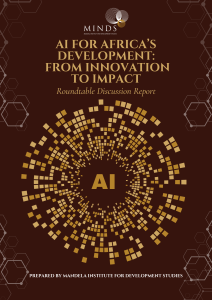

Artificial Intelligence (AI) is rapidly transforming industries, economies, and societies across the world. Recognising the growing importance of this technology for Africa’s future, we recently hosted a roundtable discussion titled “AI for Africa’s Development: From Innovation to Impact.” The session brought together MINDS Scholars, alumni, and invited experts to explore how AI can be harnessed to support Africa’s development priorities while ensuring that African voices remain central to the conversation. The discussion focused on a critical question: how can Africa move from being a consumer of AI technologies developed elsewhere to becoming an active producer of solutions that address local challenges and opportunities?
Participants highlighted the enormous potential of AI to accelerate development across sectors such as healthcare, agriculture, education, entrepreneurship, governance, and public administration. From improving access to services and increasing productivity to supporting innovation and research, AI was recognised as a powerful tool that can help African countries leapfrog traditional development barriers. However, speakers emphasised that Africa’s AI agenda must go beyond the adoption of existing technologies. Discussions repeatedly returned to issues of data ownership, infrastructure, representation, skills development, and technological sovereignty. Participants noted that many AI systems are built using datasets that often lack African languages, histories, cultural contexts, and lived realities, creating risks of bias and misrepresentation.
The roundtable also explored the relationship between AI and Pan-Africanism. Participants stressed the importance of collaboration across borders, arguing that no single country can build Africa’s AI ecosystem alone. Instead, regional partnerships, knowledge sharing, and complementary expertise will be essential to developing solutions that serve the continent’s diverse needs. Another key theme was the changing nature of education and work. While AI has the potential to significantly improve productivity, participants acknowledged concerns around job displacement and the future of work. The discussion highlighted the need for education systems to evolve beyond memorisation and routine tasks, placing greater emphasis on critical thinking, creativity, problem-solving, ethical reasoning, and adaptability. These are skills that will enable young Africans to work alongside AI rather than compete against it.
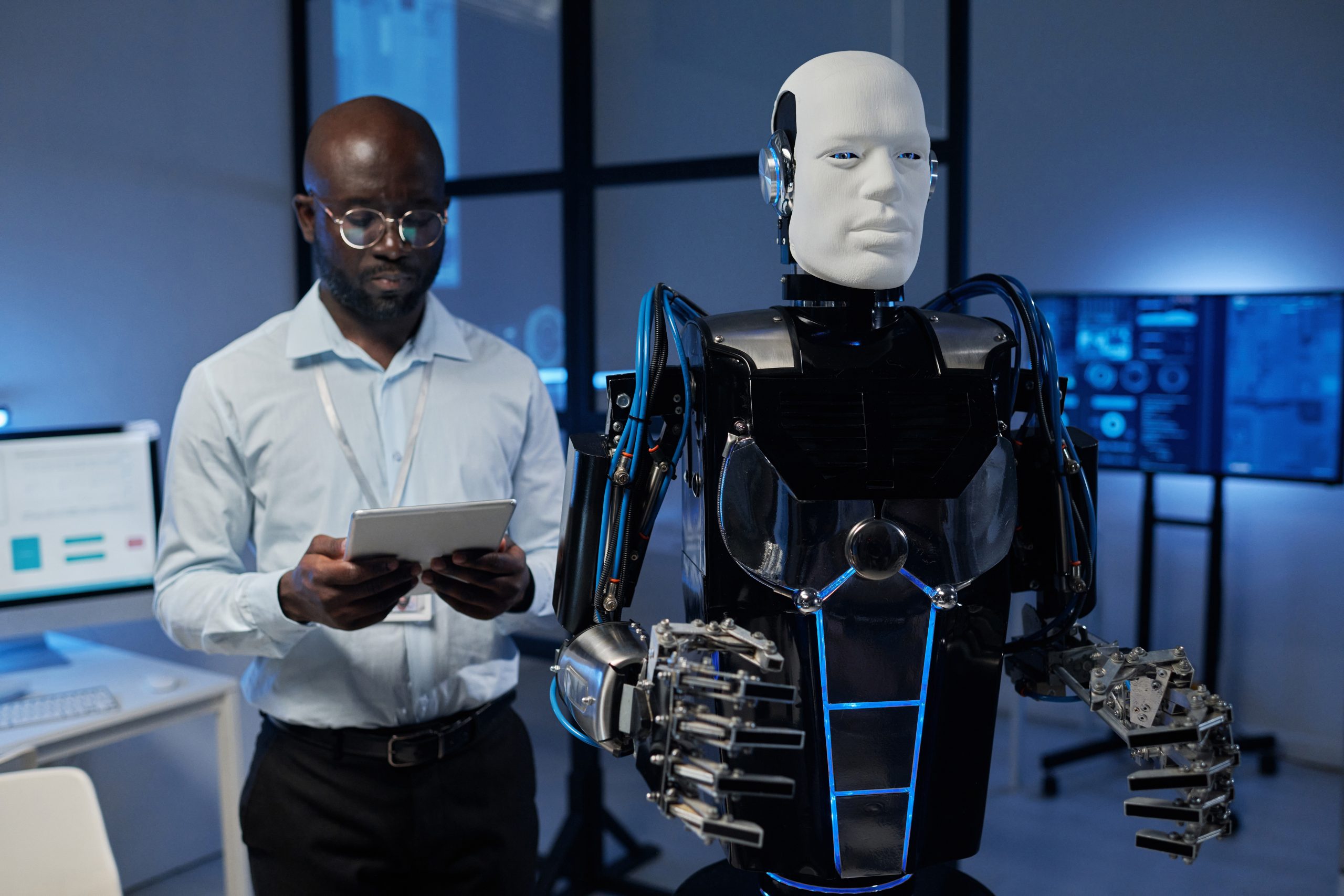
The role of mindset was also emphasised throughout the session. Participants were encouraged to view AI not simply as a threat or replacement for human capabilities, but as a tool that can enhance learning, innovation, and impact when used responsibly and strategically. A recurring message throughout the discussion was the need to move beyond dialogue and towards action. Participants called for greater collaboration among scholars, alumni, researchers, policymakers, entrepreneurs, and technology practitioners to develop practical solutions, strengthen AI literacy, and promote African-centred innovation.
The roundtable concluded with a clear message: AI presents both opportunities and challenges for Africa. The continent’s future will depend not only on access to technology but also on the ability of African leaders, institutions, and innovators to shape how that technology is developed and used. For MINDS Africa, the conversation reinforced the importance of preparing young leaders who can contribute to an inclusive, ethical, and Africa-centred AI future.